Druzhba Pipeline at a Dead End: Oil Still Not Flowing
The resumption of Russian oil supplies to Slovakia and Hungary via the Druzhba pipeline has been delayed again – this time until February 26th. Slovakia has halted emergency electricity supplies to Ukraine, with the Ministry of Economy saying negotiations are at a standstill.
Deadlines Shift, Oil Doesn't Flow
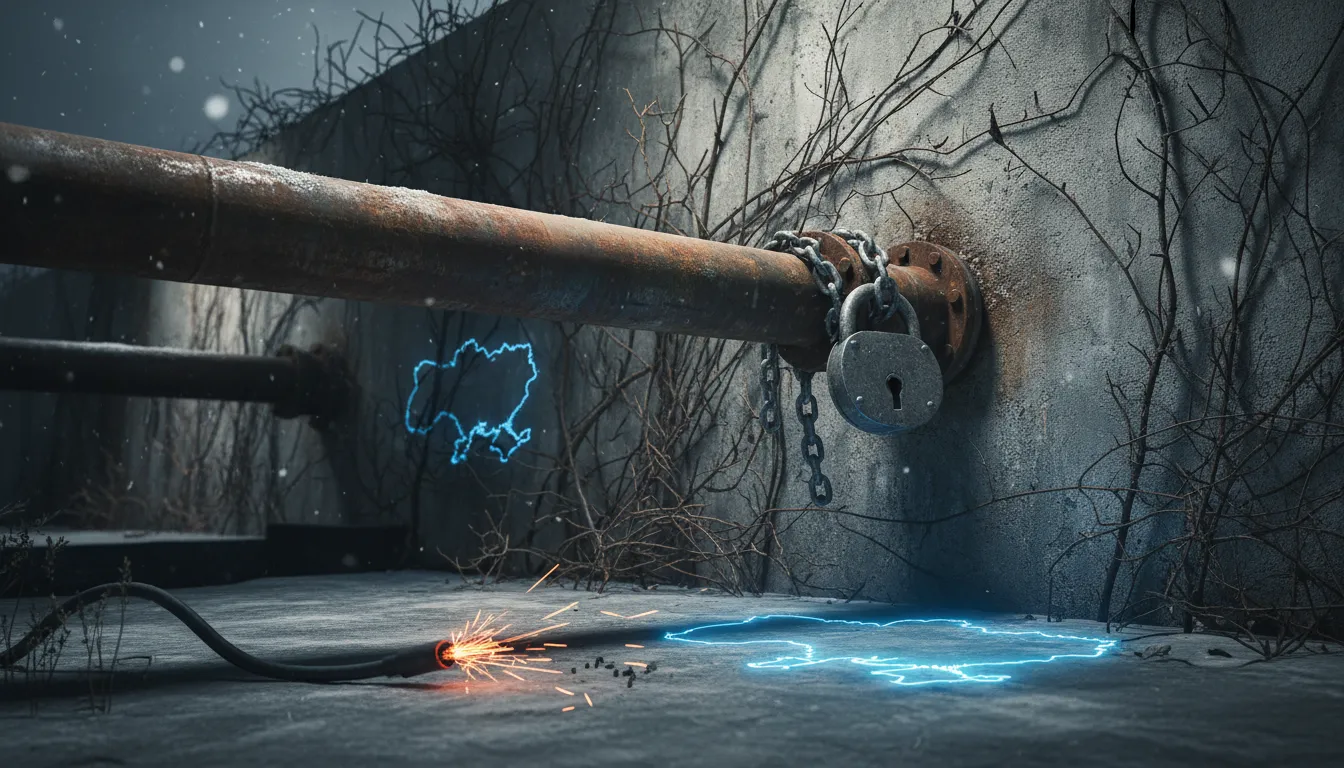
Slovakia and Hungary have been without Russian oil supplies via the Druzhba pipeline for almost a month. Kyiv has announced another postponement of the transit resumption date – from February 25th to February 26, 2026 – without further explanation. This is the latest in a series of delays: the same scenario has been repeated throughout February.
The disruption began in late January after Ukraine announced damage to oil infrastructure in the Brody area of the Lviv region by an alleged Russian drone attack. Slovak company Transpetrol, the operator of the domestic section of the pipeline, has pointed out that its Ukrainian partners are repeatedly violating commitments and postponing agreed schedules.
Ministry: Negotiations at a Dead End
The Slovak Ministry of Economy confirmed in an official statement that "the deadline within the oil supply resumption schedule has been postponed again" and that negotiations with the Ukrainian side are at a standstill. The ministry is also aware of reports of a fire at the Kalejkino pumping station in Russia, which is part of the Druzhba infrastructure – however, according to available information, this incident should not have a long-term impact on the flow of oil to Slovakia.
As a precautionary measure, the Slovak government has released emergency oil reserves for the Slovnaft refinery and assured that the supply of fuel to the domestic market is not immediately threatened. The Ministry of Economy is also negotiating with Czech and Croatian partners on alternative supply routes.
Slovakia Halts Electricity to Kyiv
Prime Minister Robert Fico escalated the dispute on February 23rd when he ordered the state-owned company SEPS to halt emergency electricity supplies to Ukraine. "Unless the Ukrainian energy system is stabilized by another partner, our assistance will not be provided," said Fico, who characterizes the entire dispute as "a purely political decision aimed at blackmailing Slovakia." He said the electricity shutdown will last until oil transit resumes.
Fico also threatened to reconsider Slovakia's hitherto constructive position on Ukraine's accession to the EU, increasing diplomatic pressure on Kyiv.
Hungary Blocks EU Sanctions and Loans
In parallel, Hungary is using the dispute as leverage in European politics. Foreign Minister Péter Szijjártó announced that Budapest had blocked the 20th package of EU anti-Russian sanctions and a loan of €90 billion for Ukraine until Kyiv resumes oil transit. Prime Minister Viktor Orbán has conditioned his agreement to any financial assistance to Kyiv on the resumption of supplies via Druzhba.
Kyiv: We Are Repairing What We Can
Ukrainian Foreign Minister Andriy Sybiha called on Slovakia and Hungary to address their ultimatums to the Kremlin, not Kyiv. Ukrainian officials insist that Russia caused the damage to the pipeline and that repairs are proceeding as quickly as technically possible. Ukrainian drones have meanwhile also hit the Kalejkino pumping station in Tatarstan – further complicating the situation.
What's at Stake
Druzhba supplies the only Slovak refinery, Slovnaft, which covers most of the domestic fuel consumption. A long-term outage would require costly alternative routes – for example, via the Croatian JANAF pipeline or the Adria route. The energy security of the entire Central European region remains fragile as long as the diplomatic deadlock persists.