EU Summit: Fico Heads to Brussels with Oil Ultimatum
European leaders will meet in Brussels on March 19-20 to address three intertwined crises: a damaged Druzhba oil pipeline, a blocked €90 billion EU loan for Ukraine, and a dramatic increase in defense spending. Slovakia has been without Russian oil for two months.
Brussels Braces for a Stormy Summit
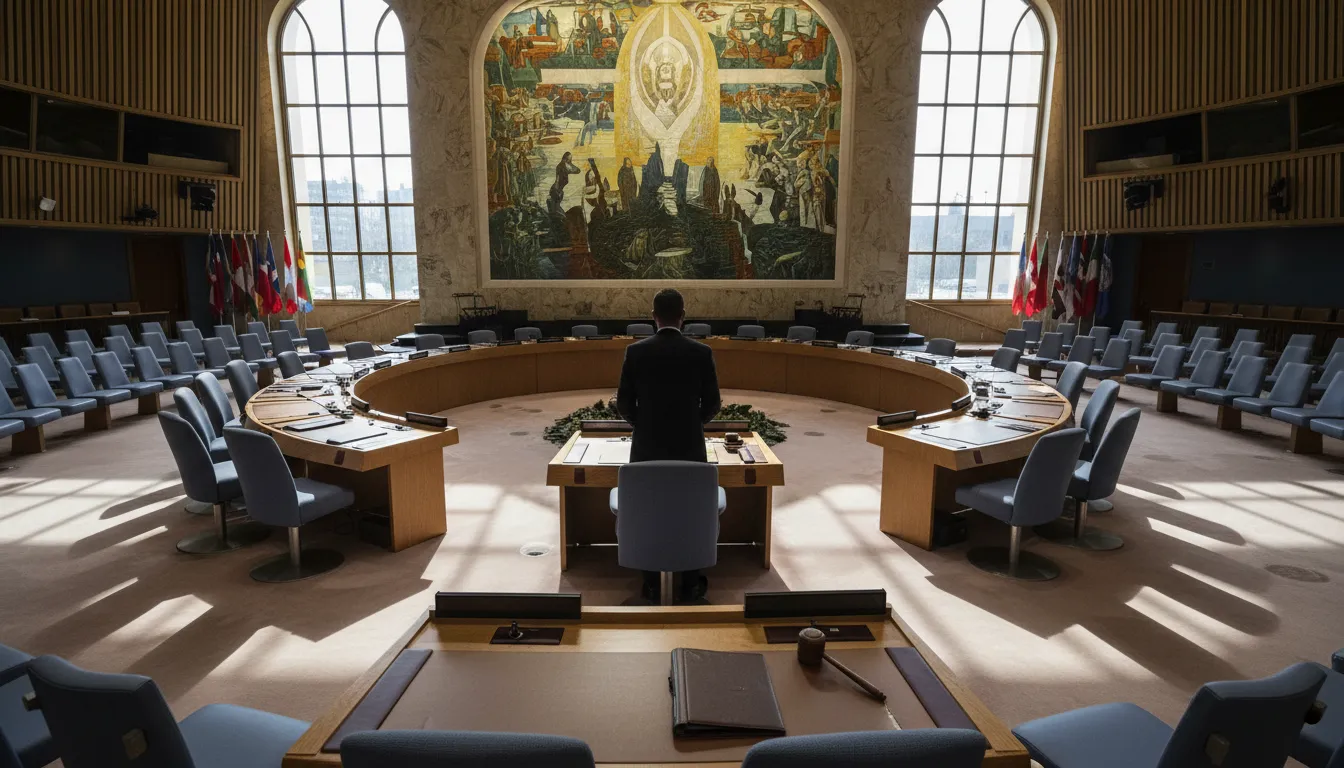
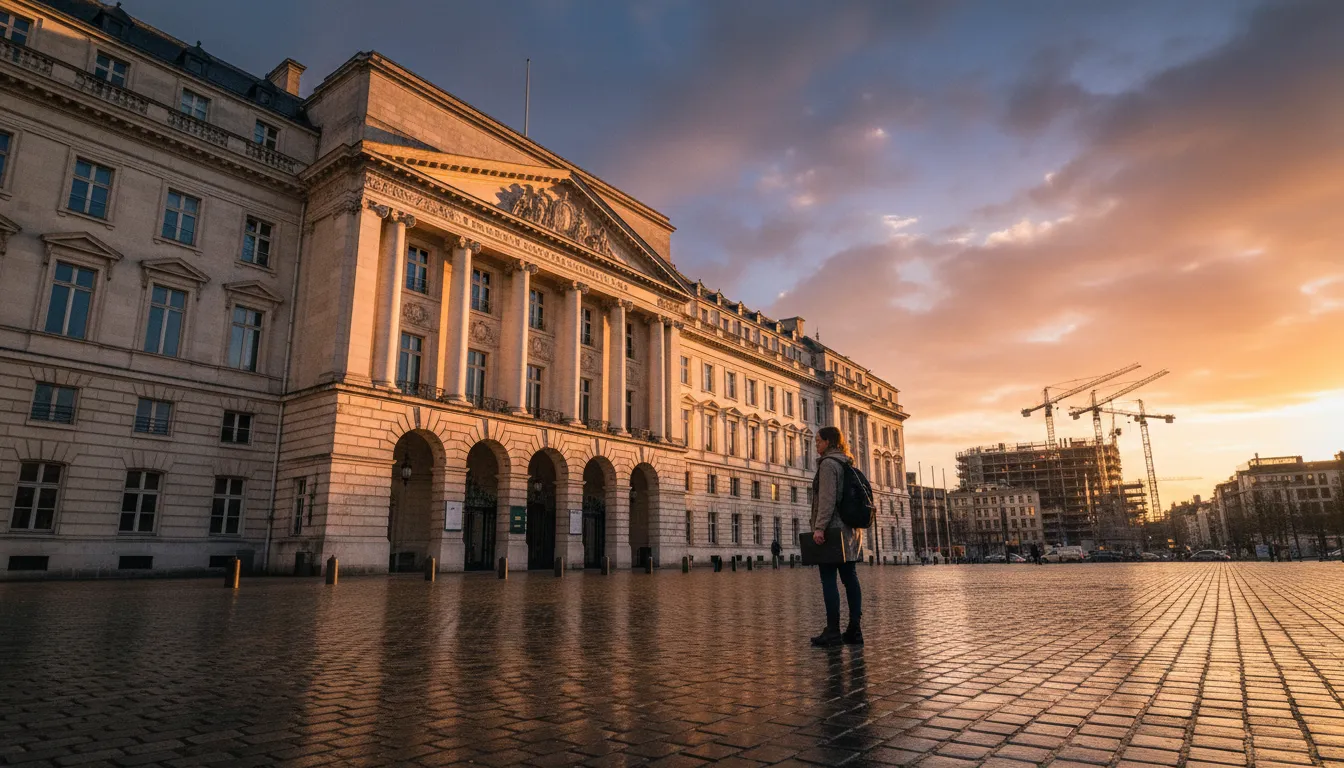
European leaders will meet for a European Council summit in Brussels on Wednesday and Thursday, March 19 and 20. The negotiating table will be overloaded: the Druzhba oil pipeline is out of service, a multi-billion euro loan for Kyiv hangs in the balance, and pressure is mounting for a massive increase in defense spending. This will be one of the most important summits in recent years for Slovakia.
Two Months Without Russian Oil
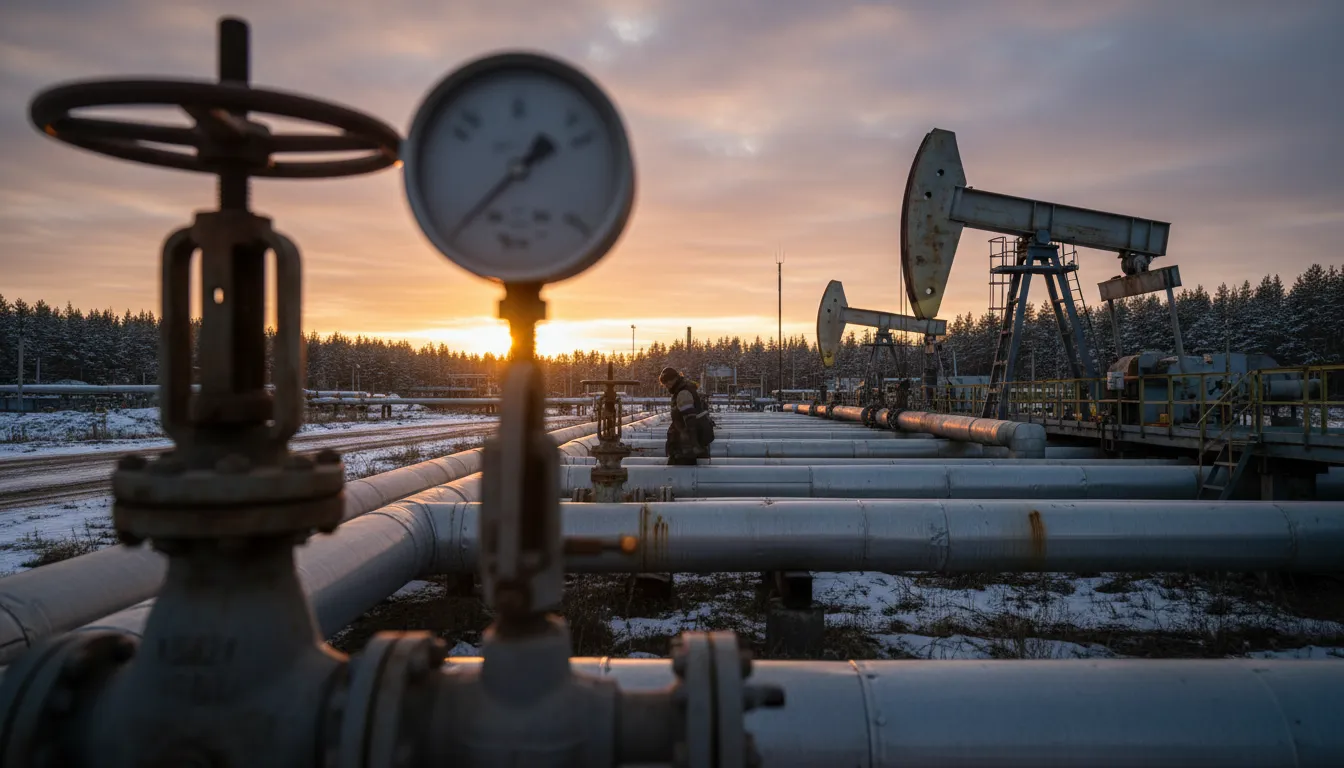
Slovakia has been without Russian oil supplies since the end of January. The Druzhba pipeline, which supplies the Slovnaft refinery, stopped working after a drone attack damaged a pumping station near the Ukrainian hub of Brody. More than two months have passed since January 27, 2026, and the resumption of operations remains unclear.
Slovnaft is currently operating from its own reserves, the state's strategic reserves, and oil transported by sea via tankers. Despite the outage, fuel prices in Slovakia are currently lower than in neighboring countries – however, analysts attribute this more to global market factors than to actual crisis management.
Fico with Ultimatum: No Oil, No Loan
Prime Minister Robert Fico went to the summit with a clear position. Slovakia will continue to block the approval of the €90 billion EU loan for Ukraine unless Kyiv resumes the transit of Russian oil. In a telephone call with European Council President António Costa, Fico stressed that "the EU cannot prioritize the interests of Ukraine over the interests of member states" and reminded him that Slovakia has a contractual right to Russian oil transit until the end of 2027.
Ahead of the summit, Fico warned that he expected a "fiasco" – no concrete solution to reduce energy prices for Slovak households and industry. Hungary, which is also blocking the loan, takes a similar position.
Fatigue with a Deadlock
The European Commission has attempted to break the stalemate. President Ursula von der Leyen and Costa sent Zelenskyy a letter in which the EU offered technical and financial assistance to repair the pipeline. Kyiv has accepted the offer in principle, but has set a condition: the repair will require approximately six weeks of work and cannot be carried out without security guarantees.
At the same time, the Ukrainian side has long refused to allow independent technical inspections of the damaged infrastructure. Slovak Economy Minister Denisa Saková confirmed that Kyiv "does not allow such visits." The Czech mediation initiative has also failed.
ReArm Europe and Pressure on the Slovak Budget
In parallel with the energy crisis, the summit will also address defense. The ReArm Europe program calls for an increase in defense spending to a minimum of 3% of GDP. For Slovakia, which has long lagged behind the 2% of GDP target within NATO, this represents a fundamental challenge for public finances. According to data from the European Parliament, EU countries' defense spending increased to an average of 1.9% of GDP in 2024, but this trend will have to accelerate significantly.
The summit will also address the EU's common position on the situation in the Middle East, which has a direct impact on global oil prices – and thus on Slovak gas stations.
What Could Bring a Result?
Diplomatic sources suggest a possible compromise: Slovakia and Hungary would unblock the loan for Kyiv in exchange for guarantees of the resumption of oil transit, or for a promise to finance the repair of the pipeline from European funds. Zelenskyy's statements suggest that Kyiv is not fundamentally opposed to the repair – the question remains the timeframe and security conditions.
Direct energy security for the coming months is at stake for Slovak households and industry. The results of the March summit will show whether Brussels can reconcile the interests of Kyiv and Bratislava – or whether the crisis will deepen.