Fico Blocks EU Loan to Ukraine, Demands Druzhba Pipeline Reopening
Following a meeting with Ursula von der Leyen in Paris, Slovak Prime Minister Robert Fico confirmed that Bratislava will block the EU's €90 billion bailout loan to Ukraine until Kyiv allows the resumption of oil transport via the Druzhba pipeline.
Slovakia Stands Firm
Slovak Prime Minister Robert Fico confirmed after a meeting with European Commission President Ursula von der Leyen in Paris on Monday that Bratislava continues to block the approval of the European Union's €90 billion bailout loan to Ukraine. The condition remains the resumption of Russian oil transit through the Druzhba pipeline across Ukrainian territory.
The meeting took place on the sidelines of the World Nuclear Forum in Paris. Fico stated afterwards that he and von der Leyen agreed on one key point: "The Druzhba pipeline must be restored. If it is damaged – which we do not consider proven – it must be repaired." The European Commission has also signaled its readiness to financially cover any repairs and provide technical experts.
Pipeline Damaged in Russian Drone Attack
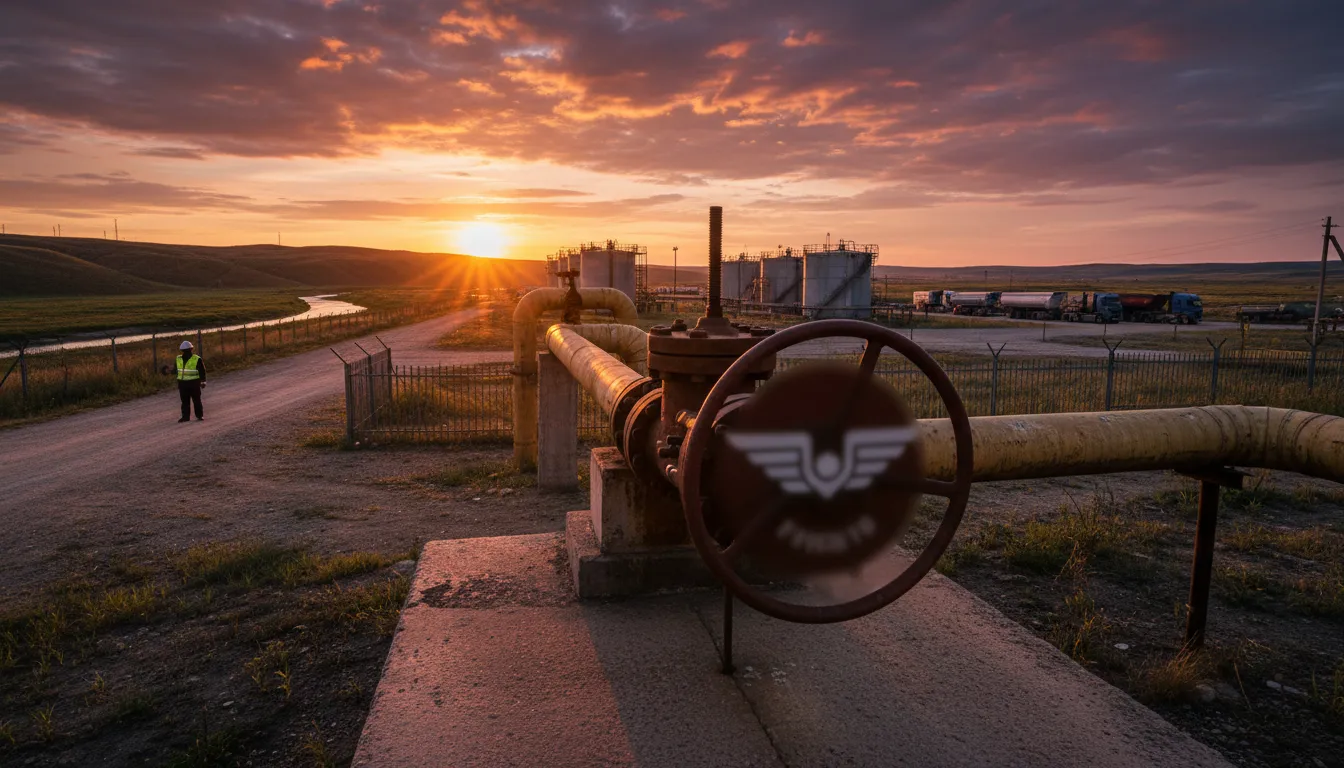
The Druzhba pipeline, which supplies Slovakia and Hungary with Russian oil via the Ukrainian transit system, was damaged in a Russian drone attack in late January 2026. It has been out of operation ever since. Kyiv refuses to proceed with repairs without a prior ceasefire – President Volodymyr Zelenskyy warned that the work would take up to six weeks under active Russian attacks and would be extremely dangerous for workers on the ground.
Fico, on the other hand, questions the extent of the damage and has long demanded that independent experts be given access to the crash site. Ukrainian officials have so far not allowed this access, which Bratislava sees as evidence of political motivation behind the entire crisis.
Threat to Withdraw Support for Ukraine's EU Accession
In recent days, Fico has escalated his rhetoric beyond the loan itself. The Slovak Prime Minister has threatened that Slovakia will withdraw its support for Ukraine's membership of the European Union if the energy issue remains unresolved. This threat directly affected the Brussels negotiations, where any EU enlargement is dependent on the unanimous consent of all member states.
Russian Ambassador to Bratislava Sergey Andreyev also reacted to the situation, suggesting in an interview with TASS that Zelenskyy "has something to hide" regarding the pipeline damage, and expressed his belief that Slovakia could indeed withdraw its support for Ukraine's candidacy.
Hungary as a Model, Orbán as an Uncertain Variable
The loan, with a total volume of €90 billion – €30 billion for budgetary support and €60 billion for military needs – was tentatively approved by the EU Council in December 2025. However, its final release is being blocked by Hungary ever since Zelenskyy publicly stated that Kyiv would never resume oil supplies via Druzhba.
Fico has indicated that Slovakia is ready to take over the role of blocking country after the April elections in Hungary – specifically if Viktor Orbán loses the elections and a new Budapest government changes its position. In the meantime, Slovakia has taken further chain measures: it has suspended diesel exports to Ukraine and interrupted emergency electricity supplies during critical winter months.
Fragile Solidarity in Central Europe
The dispute reveals a deeper rift in European unity. Slovakia and Hungary are among the last EU member states dependent on Russian oil supplied by pipeline. While most of the Union has switched to alternative sources, both countries argue about the economic costs of such a transition. Brussels finds itself in a complicated position: it cannot pressure Kyiv to speed up repairs in an active war zone, and at the same time it must maintain cohesion against Russia. The outcome of the Paris talks suggests that the Commission is taking Slovak demands seriously – however, a specific timetable for the restoration of the Druzhba pipeline remains open, as does the question of whether the €90 billion will actually reach Ukraine in time.