Fico Halts Electricity Supply to Ukraine Amid Druzhba Pipeline Dispute
Prime Minister Robert Fico has ordered SEPS, the Slovak electricity transmission system operator, to halt emergency electricity supplies to Ukraine after Kyiv refused to resume Russian oil transit through the damaged Druzhba pipeline. Slovakia had been covering up to 18% of Ukraine's electricity imports in January 2026.
Ultimatum and its Fulfillment
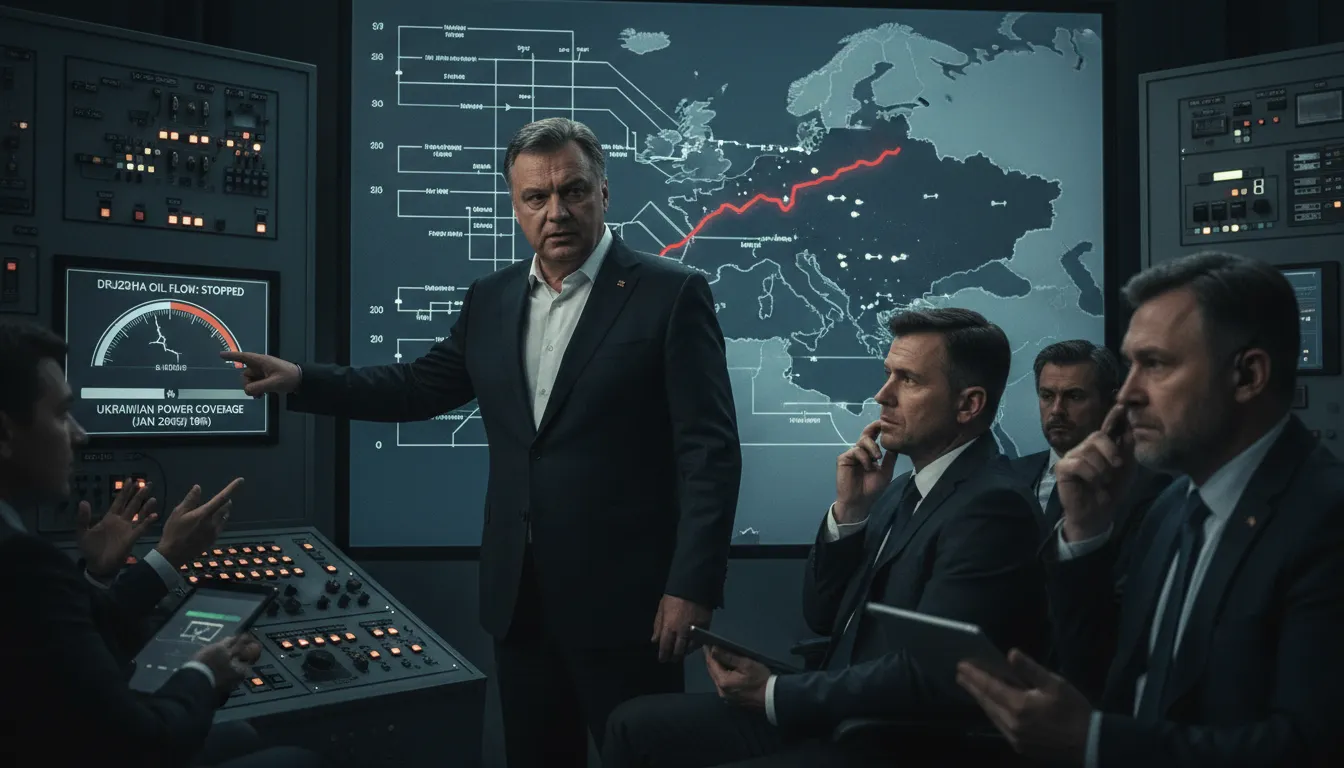
Slovak Prime Minister Robert Fico personally visited the Slovak Electricity Transmission System (SEPS) today and requested the national grid operator to halt emergency electricity supplies to Ukraine. Kyiv refused to resume the transit of Russian oil through the damaged Druzhba pipeline despite the ultimatum Fico issued over the weekend, and the Slovak side responded by halting supplies.
What Preceded the Halt
Russian oil supplies via Druzhba were interrupted on January 27th after Ukraine reported a Russian drone strike on pipeline infrastructure in the west of the country. Slovakia and Hungary – the only two EU countries still heavily dependent on Russian oil – immediately declared a state of energy emergency and tapped into strategic reserves.
Over the weekend, Fico issued a public ultimatum: if Ukraine does not resume the flow of oil by Monday, Slovakia will halt emergency electricity supplies.
"In January 2026, these emergency electricity supplies were twice as high as for the entire year of 2025,"the Prime Minister said in a video posted on social media. Kyiv rejected the ultimatum, calling it political pressure.
Slovakia as a Key Supplier
Slovakia became the largest supplier of electricity to Ukraine among European countries in January 2026, covering up to 18 percent of total imports. This role is all the more important in the context of the systematic destruction of Ukrainian energy infrastructure by Russian attacks. By halting emergency supplies, Slovakia is sending a clear signal to Kyiv: energy solidarity has its limits.
Kyiv: Blackmail and Provocation
The Ukrainian Ministry of Foreign Affairs described the actions of Slovakia and Hungary as "ultimatums and blackmail" and declared that both countries are "playing into the hands of the aggressor." Kyiv also proposed alternative routes for oil imports – for example, via the Odesa-Brody pipeline or a sea route – while repairs to the damaged infrastructure are underway. According to the Ukrainian side, repairs are actively underway, and information about the damage has been provided to both Slovakia and Hungary.
Hungary Escalates Pressure on the EU
Fico's ally in this dispute is Hungarian Prime Minister Viktor Orbán, who has threatened to block an EU loan to Ukraine worth 90 billion euros. "While Ukraine blocks Druzhba, Hungary will block the war loan," Orbán declared. The coordinated approach of Budapest and Bratislava complicates EU solidarity with Kyiv and provokes sharp criticism in Brussels.
Sharp Criticism at Home
In Slovakia, Fico's move has sparked a wave of discontent. The leader of the opposition Progressive Slovakia party, Michal Šimečka, called the decision "shameful" and announced a personal visit to the Ukrainian embassy. Former Foreign Minister Ivan Korčok spoke of cynicism and warned that threatening a country facing Russian aggression is unacceptable. Šimečka noted that neighboring countries can relatively easily replace Slovak electricity exports, thereby weakening the real effect of the ultimatum.
Four Years of Underlying Tension
The dispute unfolds against the backdrop of four years of war in Ukraine and long-standing diplomatic tensions between Fico's government and Kyiv. Fico has repeatedly criticized military aid to Ukraine, calls for peace negotiations, and claims that Slovakia has suffered losses of 500 million euros per year after the end of Russian gas transit. The actions of Fico and Orbán reveal a deep rift in the EU: while most member states support Kyiv, some countries are using energy dependence as a diplomatic lever – and this dispute shows that this strategy has direct consequences for civilians in Ukraine.