Fico to Visit Kyiv to Negotiate Druzhba Pipeline
Slovak Prime Minister Robert Fico has accepted Volodymyr Zelenskyy's invitation and will visit Kyiv on March 6th or 9th to discuss the resumption of Russian oil transit via the Druzhba pipeline. The dispute has escalated, with Slovakia halting emergency electricity supplies to Ukraine and, along with Hungary, blocking the EU's 20th sanctions package.
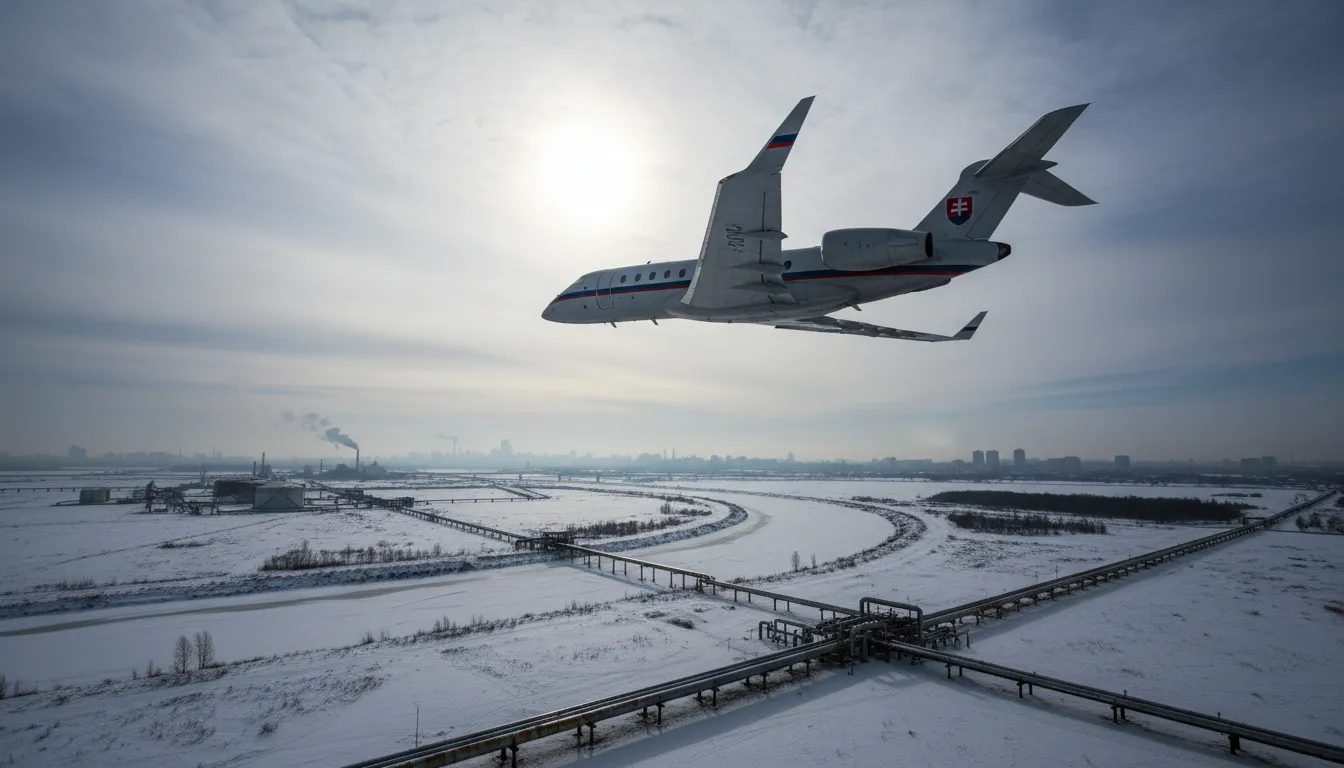
Slovak Prime Minister Robert Fico has confirmed that he has accepted an invitation from Ukrainian President Volodymyr Zelenskyy and will visit Kyiv, either on March 6th or 9th, 2026. The sole item on the agenda will be the resumption of Russian oil transit through Ukraine's pipeline network, Druzhba, which supplies refineries in Slovakia and Hungary. This would be Fico's first trip to the Ukrainian capital since the start of the Russian invasion.
Outage Ongoing Since January
Oil stopped flowing through the Druzhba pipeline via Ukraine to Slovakia and Hungary at the end of January 2026. Kyiv claims that the cause was a Russian attack on Ukrainian pipeline infrastructure and has described the situation as force majeure. Fico disagrees with this interpretation. According to him, Slovak intelligence confirms that the pipeline is functional and that Kyiv is intentionally blocking transit. The Prime Minister also warned of the possibility of intentional damage to the infrastructure and compared the threat to the Nord Stream pipeline explosions. Ukrainian officials, meanwhile, have repeatedly postponed the date for the resumption of supplies, most recently setting it for March 4th.
Electricity as Retaliation
Bratislava has resorted to retaliation. Following Fico's ultimatum, Slovakia halted emergency electricity supplies to Ukraine on February 23rd. "We will help you when oil flows to us again," the Prime Minister told Kyiv. Analysts point out that only reserves intended for emergency cases were stopped, not normal commercial flows; electricity continues to flow between the countries. Nevertheless, the symbolic weight of the step is significant: in 2025, Slovakia covered approximately 21% of Ukraine's total electricity imports, making it the second-largest supplier after Hungary.
Sanctions and Loan at Risk
The dispute quickly transcended the bilateral level and reached the European level. Slovakia and Hungary jointly blocked the EU's 20th sanctions package against Russia, which Brussels wanted to symbolically approve on the fourth anniversary of the Russian invasion. In addition, Hungary is withholding an advance on a European loan of €90 billion earmarked for Kyiv until oil transit is restored. Fico and Hungarian Prime Minister Viktor Orbán have proposed the establishment of a joint expert inspection commission under the auspices of the EU member states and the European Commission to assess the actual condition of the pipeline directly on site. Zelenskyy has not yet agreed to the inspection.
Meeting Conditions
Zelenskyy's office offered Fico two specific dates, March 6th or 9th, directly in the Ukrainian capital. Fico initially preferred a meeting on the territory of an EU member state; Zelenskyy rejected this, arguing that the Druzhba pipeline is located in Ukraine and that negotiations outside its borders would be inappropriate. Kyiv has thus made it clear that negotiations on Ukrainian infrastructure must take place on Ukrainian soil.
Reactions at Home
Fico's policy on the pipeline is drawing sharp criticism on the domestic scene. The leader of the opposition Progressive Slovakia party, Michal Šimečka, described the suspension of emergency electricity transmission as a step that "would border on treason." The government rejects these reservations, and Fico insists that he is defending legitimate Slovak economic interests in accordance with the applicable EU agreements, which guarantee Slovakia an exemption from sanctions on Russian oil supplied by pipeline.
What is at Stake for Slovakia
The Druzhba pipeline supplies the Slovnaft refinery, a key element of the Slovak energy economy. Any transit outage increases the cost of alternative imports and is directly reflected in fuel prices at Slovak petrol stations. The country's dependence on this corridor makes it one of the most economically vulnerable participants in the dispute, in which energy security, geopolitics and European solidarity are constantly intertwined.