Geneva talks end without breakthrough, Slovakia waits for oil
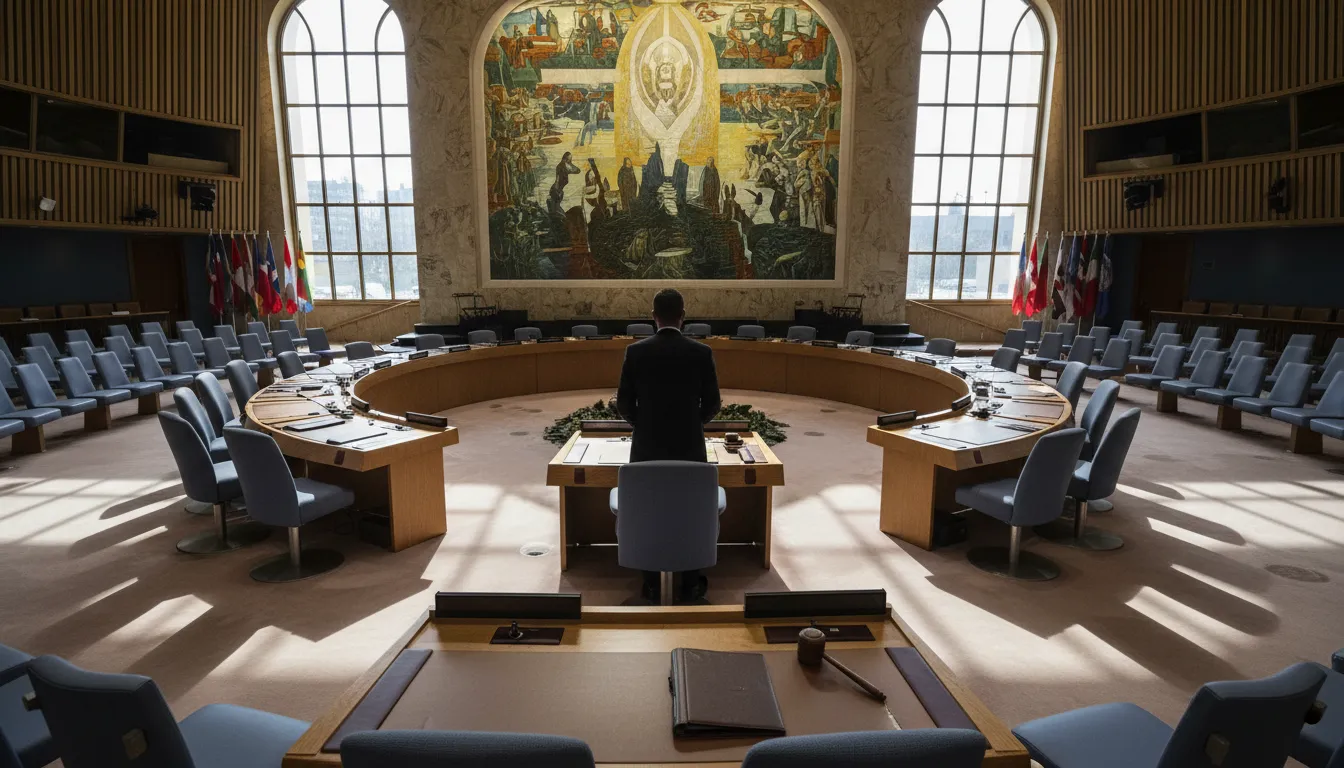
The third round of peace talks between Russia, Ukraine and the US in Geneva ended without any significant progress. For Slovakia, the key issue is the resumption of Russian oil transit through the damaged Druzhba pipeline.
Six hours without results
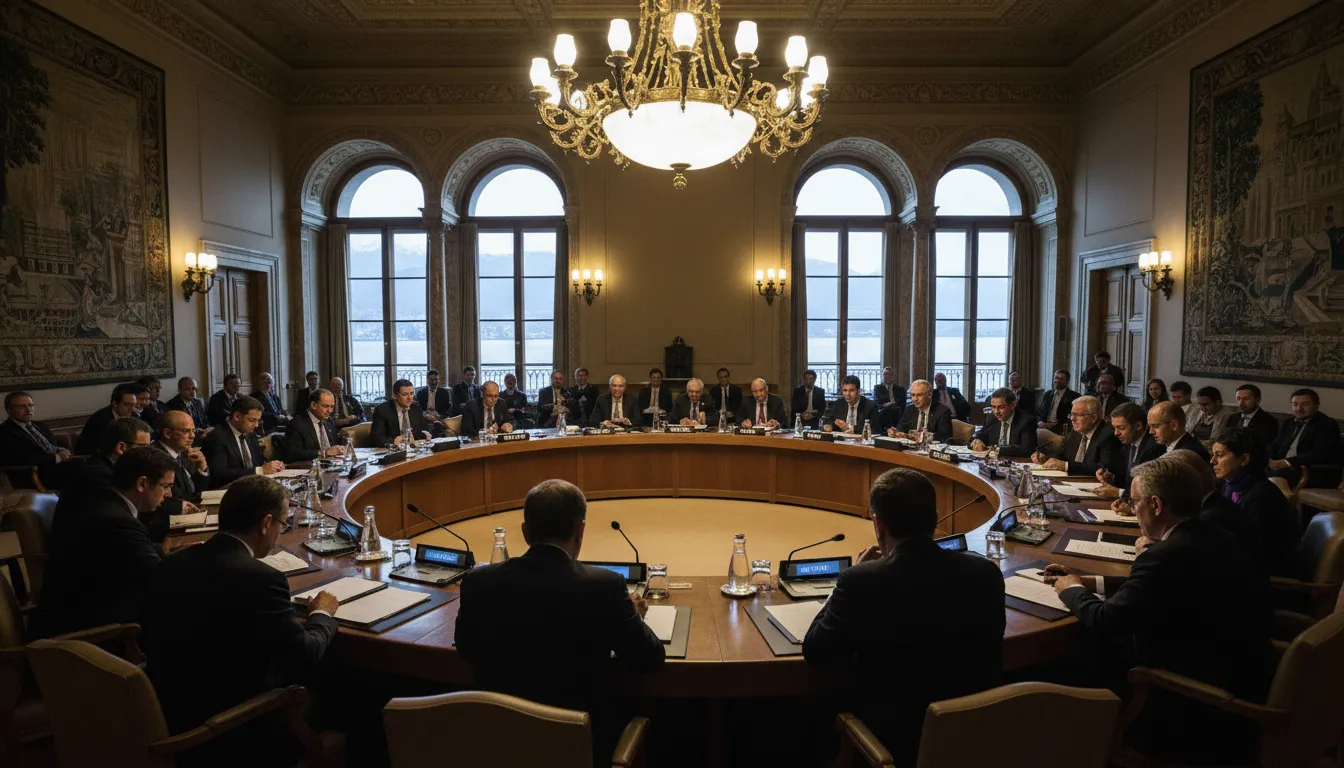
The third round of trilateral peace talks between Russia, Ukraine and the United States in Geneva entered its second day on Tuesday, 18 February, without any significant breakthrough. The first day of talks lasted six hours and, according to a source close to the Russian delegation, was "very tense". The negotiations took place in both bilateral and trilateral formats, but neither side signalled any progress on key issues.
The Russian delegation is led by President Putin's adviser Vladimir Medinsky, while the Ukrainian side is represented by the Secretary of the National Security and Defence Council Rustem Umerov and former head of military intelligence Kyrylo Budanov. The US is represented by envoy Steve Witkoff and Trump's son-in-law Jared Kushner.
Territory remains the main point of contention
The biggest obstacle remains the issue of territorial concessions. Moscow is demanding the entire Donbas region, even though it currently controls about 90 per cent of it. President Zelensky has repeatedly emphasised that Ukrainians would reject any agreement requiring the transfer of territory that Russia has not actually occupied in a possible referendum. Other points of contention include control of the Zaporizhzhya nuclear power plant and the presence of Western troops in Ukraine after the end of the conflict.
Despite this, US envoy Witkoff spoke of "significant progress". The only tangible result is an agreement to exchange more than 300 prisoners of war — the first in several months. Both sides also agreed on technical issues related to responding to ceasefire violations and humanitarian exchanges. Washington is pushing for an agreement to be reached by June 2026.
For Slovakia, it's about oil
For Slovakia, the Geneva talks have an existential dimension. Since 27 January, when a Russian air strike damaged the southern branch of the Druzhba oil pipeline on Ukrainian territory, Russian oil has stopped flowing into the country. Not a single barrel arrived in February. Slovakia has strategic oil reserves for approximately 90 days, but without the resumption of supplies, problems are likely to arise in April at the latest.
Hungarian Foreign Minister Péter Szijjártó and the Slovak side have asked Croatia to open an alternative route via the Adria pipeline. Russian oil would be transported by tankers to the Croatian port of Omišalj and from there on to Central Europe. MOL expects deliveries to begin in March. Ukraine rejects accusations of a political blockade and claims that rapid repairs to the pipeline are not possible while Russian attacks continue.
The European Commission has confirmed that it is in contact with Kyiv regarding repairs to the Druzhba pipeline and is prepared to convene an emergency coordination group.
What happens next
At the end of the second day of talks, the delegations agreed to present the results to their leaders. The date of the next round has not yet been announced. President Zelensky criticised Trump for publicly pressuring only Ukraine, not Russia, to make concessions. "It's not fair," said the Ukrainian president.
Meanwhile, Slovakia is waiting with bated breath in the energy sector. The outcome of the negotiations will directly affect whether oil transit, on which the energy security of the entire Central European region depends, can be restored.