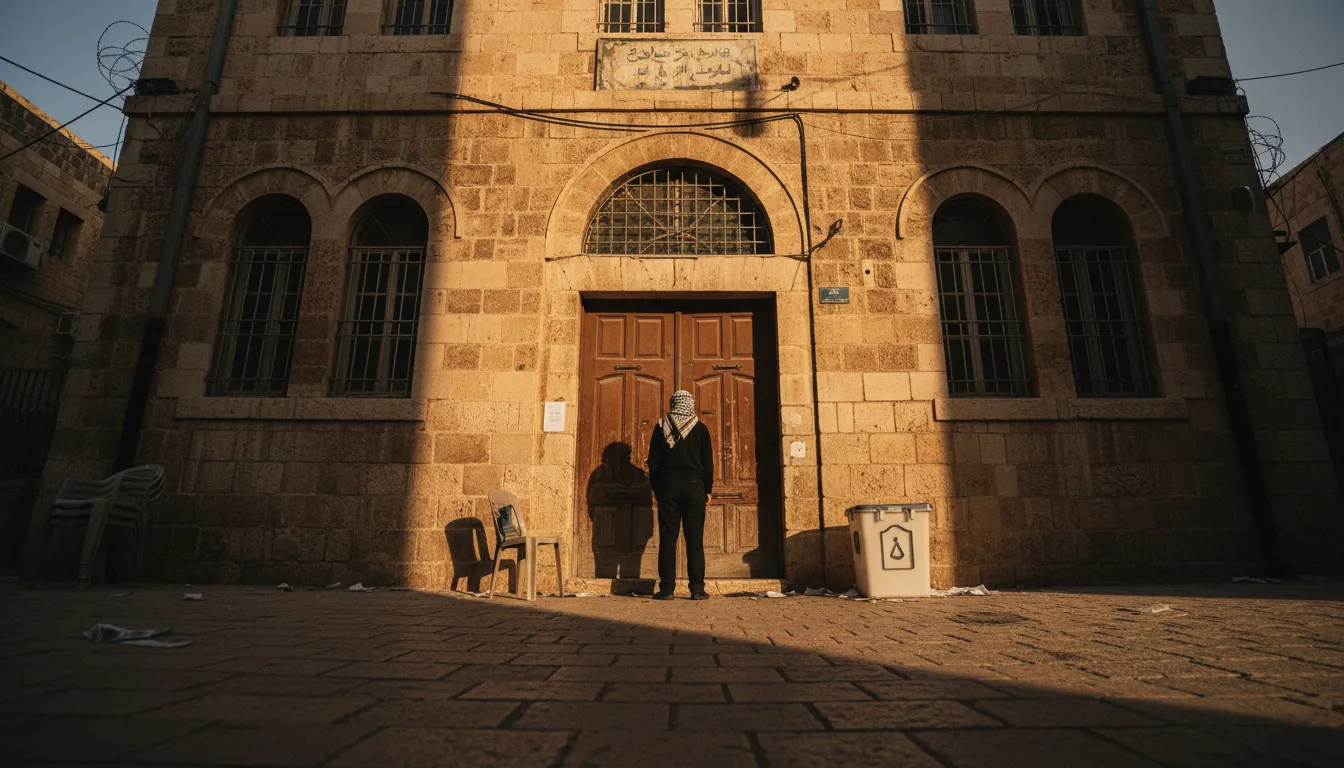
Ramadan 2026 has begun: What does this mean for the world and Slovakia?
The holy month of Ramadan 2026 began on 18 February after the crescent moon was sighted in Saudi Arabia. The winter timing brings shorter fasts and a growing economic impact on global supply chains.
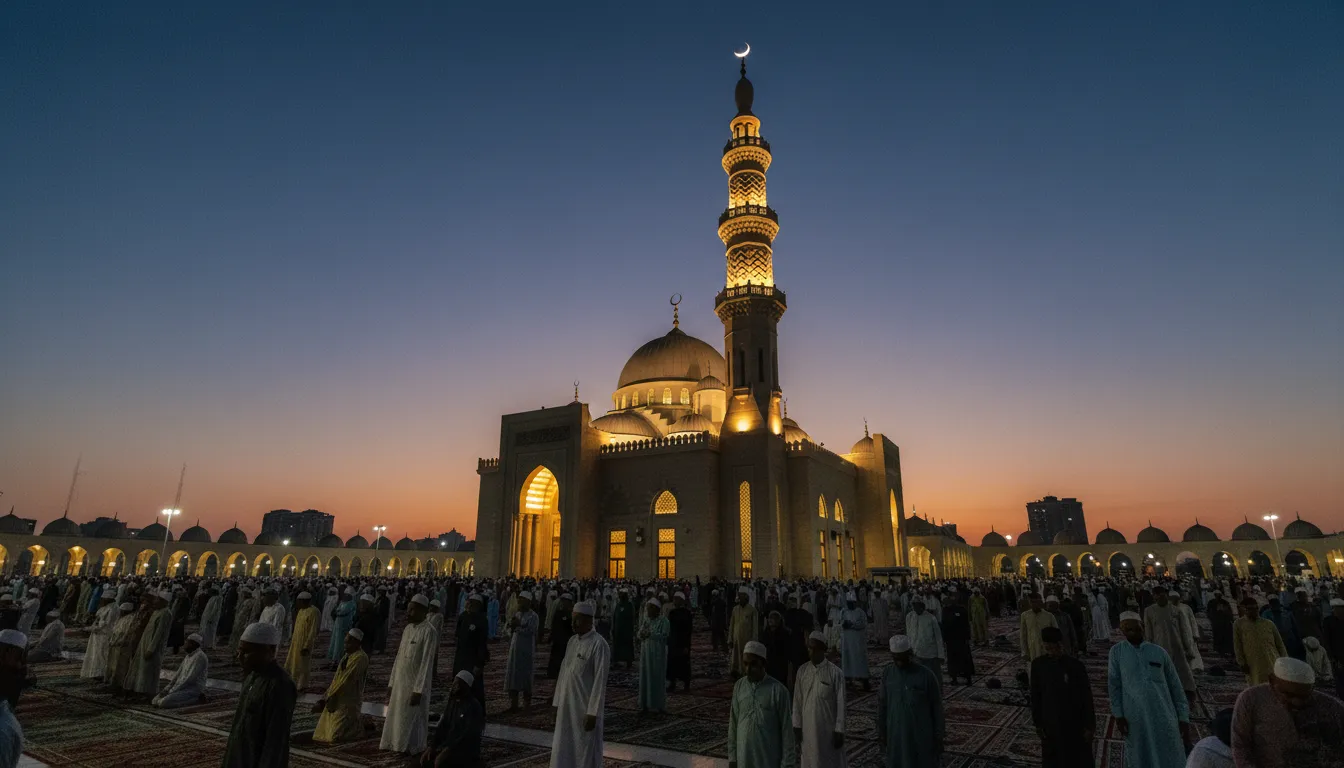
Saudi Arabia confirms the start of Ramadan
The holy month of Ramadan 1447 Hijri officially began on Wednesday, 18 February 2026. The Royal Court of Saudi Arabia announced on Tuesday evening that the Supreme Court's moon-sighting committee had observed the crescent moon, confirming the start of the fasting period for nearly two billion Muslims worldwide.
However, this year's observation was accompanied by an unusual astronomical event. On the same day, 17 February, an annular solar eclipse took place over Antarctica and southern Africa - the first in 2026. The International Astronomical Centre in Abu Dhabi even warned against using telescopes to observe the crescent because it appeared extremely close to the Sun. Nevertheless, Saudi Arabia confirmed the crescent, and most countries in the Middle East and the Persian Gulf began fasting on 18 February. Some Asian countries, including India and Bangladesh, postponed the start to Thursday, 19 February.
Winter Ramadan: Shorter fasts after years
The Islamic lunar calendar shifts back approximately 10 to 12 days each year compared to the solar calendar. Ramadan 2026 thus falls at the end of winter in the northern hemisphere, which means significantly shorter fasts for European Muslims compared to the summer months of previous years.
According to Al Jazeera, the daily fast from dawn to sunset lasts approximately 12 to 13 hours in Central Europe this year, and will gradually lengthen towards spring. By comparison, in the United Arab Emirates, the first day of fasting is 12 hours and 46 minutes long, which is half an hour less than last year. However, Nordic countries such as Norway and Sweden still face fasts exceeding 16 hours.
The trend towards shorter fasts will continue until 2031, when Ramadan falls on the winter solstice - the shortest day of the year.
Economic impact: From food to air travel
Ramadan is not just a spiritual period — it has a measurable impact on the global economy. According to data from logistics company DP World, retailers begin to increase shipments of key food items through the port of Jebel Ali six to eight weeks before the start of Ramadan. Consumption of bread during the holy month rises by 63%, chicken by 66.5% and dried fruit by 25%.
The United Arab Emirates has stepped up price monitoring this year. According to the Economy Middle East portal, the Ministry of Economy monitors 627 large retail stores, which cover more than 90% of the domestic trade in basic consumer goods. A total of 420 inspections are planned throughout Ramadan.
In countries with a Muslim majority population, working hours are reduced, which affects productivity and international trade. Experts estimate a decline in efficiency of 0.7 percentage points for each additional hour of fasting.
Ramadan in Slovakia
According to the 2021 census, there are officially 3,862 Muslims living in Slovakia, but unofficial estimates put the number at around 5,000 to 6,000, including foreign students and workers. About half of them live in Bratislava, with other communities in Košice, Martin and Nitra.
Slovakia remains the only country in the European Union without an official mosque. Muslims meet in several prayer rooms, the most famous of which is the Córdoba Cultural Centre on Obchodná Street in Bratislava. The registration of Islam as a religion is hampered by a 2016 law that requires a minimum of 50,000 believers for state recognition.
Despite these obstacles, the Slovak Muslim community actively celebrates Ramadan. The shorter winter days make fasting easier this year – in Bratislava, it will last approximately 12 and a half hours a day.