How Economic Sanctions Work—and When They Fail
Economic sanctions are a key tool of foreign policy, but their effectiveness is debated. Here's how asset freezes, trade bans, and targeted measures pressure nations—and why they don't always succeed.
What Are Economic Sanctions?
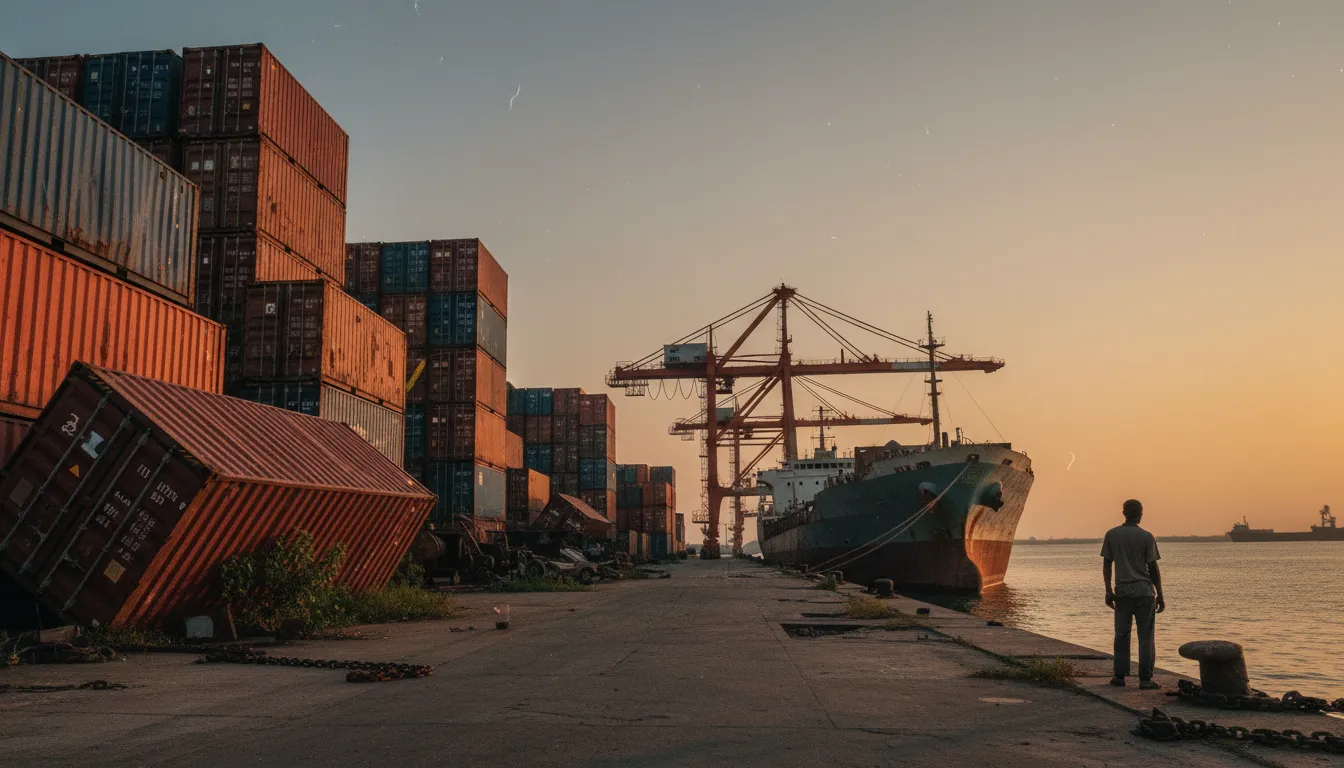
When nations want to punish or pressure another country without sending troops, they often reach for economic sanctions. These are restrictions on trade, finance, or travel imposed by one government—or a coalition—against a target state, group, or individual. The goal is to make certain behavior so costly that the target changes course.
Sanctions sit in the diplomatic toolkit between stern words and military force. They can freeze a dictator's overseas bank accounts, block a country from importing advanced technology, or cut an entire economy off from global financial markets. The United States, European Union, and United Nations all maintain extensive sanctions programs, and their use has surged in the twenty-first century.
Types of Sanctions
Not all sanctions look the same. Comprehensive sanctions restrict virtually all commercial activity with an entire country—the decades-long U.S. embargo on Cuba is the classic example. Targeted or "smart" sanctions, which became the preferred approach after the 1990s, zero in on specific leaders, companies, or sectors to minimize harm to ordinary civilians.
Common tools include:
- Asset freezes — blocking bank accounts and property owned by designated persons or entities abroad
- Trade restrictions — banning imports, exports, or both with the target
- Arms embargoes — prohibiting weapons sales and military assistance
- Travel bans — denying visas and entry to sanctioned individuals
- Sectoral sanctions — targeting key industries such as energy, finance, or defense while leaving other commerce open
Sectoral sanctions gained prominence after Russia's annexation of Crimea in 2014, when Western nations blocked new long-term debt issuance by major Russian banks and energy firms, according to the Council on Foreign Relations.
Who Enforces Them?
In the United States, the Office of Foreign Assets Control (OFAC), housed within the Treasury Department, administers and enforces most sanctions programs. OFAC traces its origins to World War II, when the government froze Nazi-controlled assets, and was formally established in 1950 during the Korean War to block Chinese and North Korean holdings.
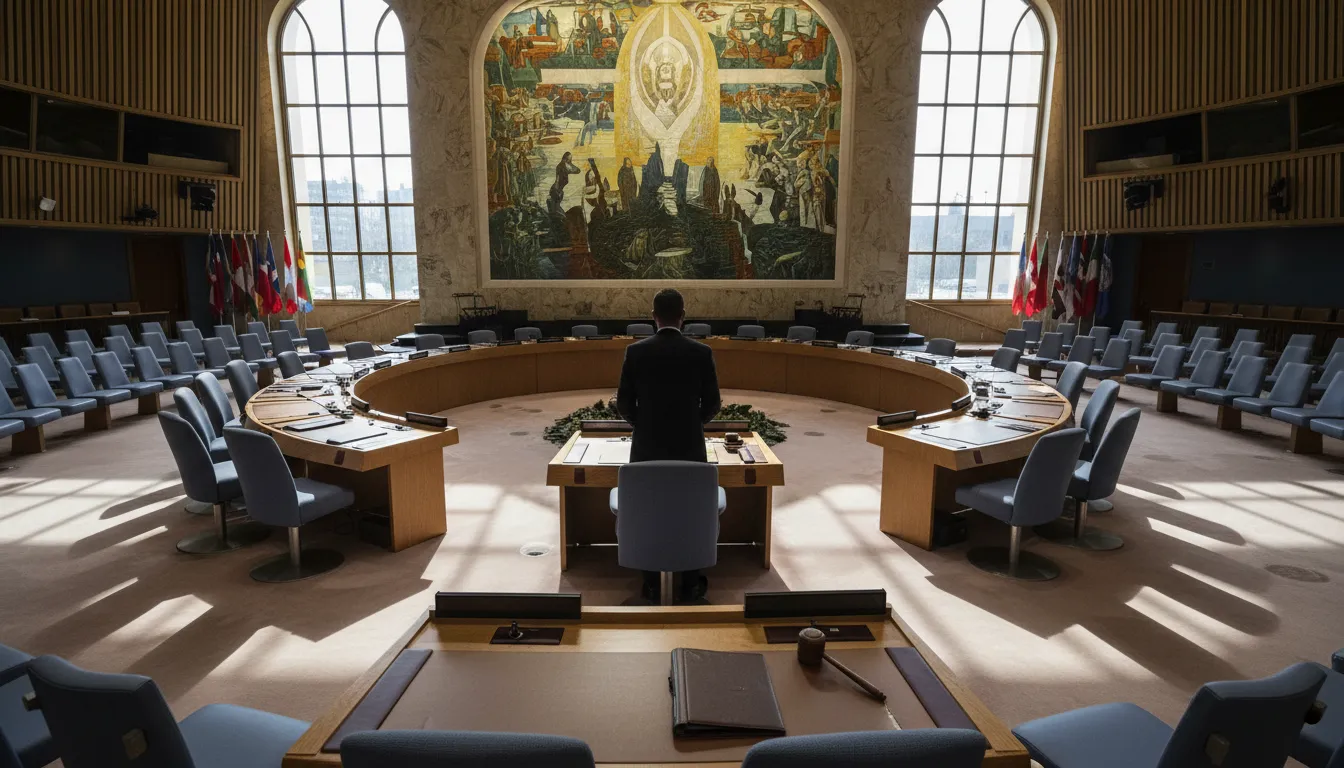
At the international level, the UN Security Council can impose binding sanctions on all member states. Since 1966, the Council has established more than 30 sanctions regimes targeting countries from South Africa under apartheid to North Korea over its nuclear program. The EU maintains its own autonomous sanctions list as well, often coordinating with Washington.
Do Sanctions Actually Work?
That depends on how you define success. Large-scale studies, including a landmark dataset maintained by the Peterson Institute for International Economics, suggest sanctions achieve their stated political goals in roughly one-quarter of cases. A U.S. Government Accountability Office report found that effectiveness rises when sanctions are multilateral, imposed through international organizations, or leveraged against countries that already depend on trade with the sanctioning power.
Sanctions almost always inflict economic pain—reduced GDP growth, capital flight, and trade disruption are well-documented effects. But economic pain does not automatically translate into political concessions. Targeted regimes can shift costs onto their own populations, find alternative trading partners, or develop smuggling networks to blunt the impact.
The Unintended Consequences
Critics point to serious collateral damage. Comprehensive sanctions on Iraq in the 1990s contributed to a humanitarian crisis, fueling the later shift toward smart sanctions. Even targeted measures can drive up prices for ordinary consumers or disrupt legitimate businesses caught in compliance webs. Research published in International Studies Review documents negative effects on poverty, banking stability, and political unrest in sanctioned countries—consequences that sometimes undermine the very goals sanctions are meant to achieve.
Why Nations Keep Using Them
Despite mixed results, sanctions remain popular because the alternatives—doing nothing or going to war—are often worse. They offer a visible, reversible signal of disapproval, and they can constrain a target's resources even when they don't change its behavior outright. In an interconnected global economy where the U.S. dollar dominates international finance, the threat of being cut off from the American banking system gives Washington extraordinary leverage.
As geopolitical tensions multiply, from the Middle East to East Asia, economic sanctions will remain a first-resort tool for governments seeking to project power without firing a shot. Understanding how they work—and their limits—is essential for anyone following world affairs.