How Iraq's Muhasasa Power-Sharing System Works
Iraq divides its top government posts along ethnic and sectarian lines through an informal system called Muhasasa. Here's how it works, why it was created, and why many Iraqis want it dismantled.
A Country Divided by Design
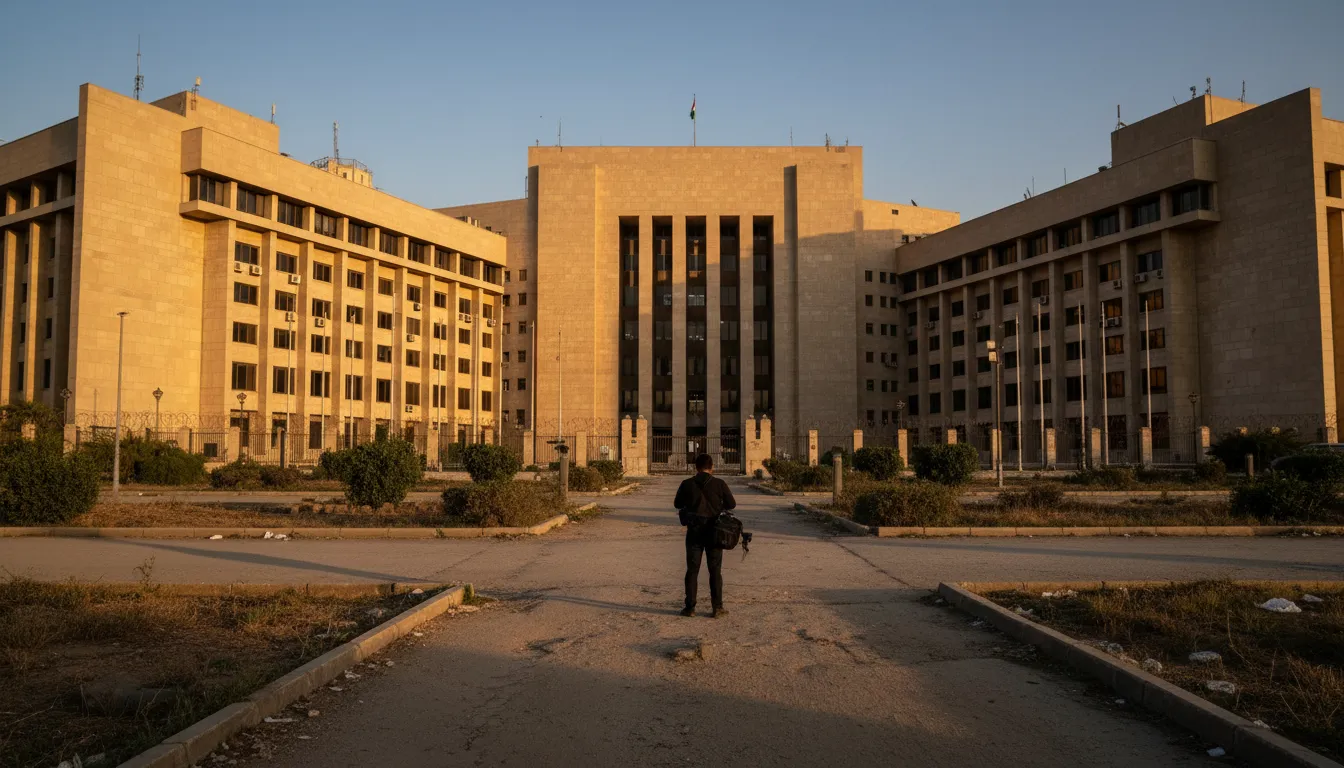
Every time Iraq forms a new government, the same unwritten rule applies: the prime minister must be a Shia Arab, the president must be a Kurd, and the speaker of parliament must be a Sunni Arab. This informal arrangement, known as Muhasasa (Arabic for "apportionment"), has governed Iraq's political life since the fall of Saddam Hussein in 2003. It is not written into the constitution, yet it shapes every election, every cabinet, and every struggle for power in Baghdad.
Origins After the Invasion
The concept emerged in the early 1990s among exiled Iraqi opposition leaders who envisioned a post-Saddam state where no single group could monopolize power. After the US-led invasion in 2003, American administrators and Iraqi politicians formalized the idea into practice. The goal was straightforward: give Iraq's three major communities — Shia Arabs (roughly 60% of the population), Sunni Arabs (about 20%), and Kurds (15–20%) — guaranteed seats at the table.
The 2005 constitution established Iraq as a federal parliamentary republic, but it never codified the ethnic quota system. Instead, Muhasasa became an entrenched political norm, distributing not only the three top posts but over 1,000 senior government positions along sectarian and ethnic lines, from cabinet ministers to heads of state agencies.
How Government Formation Works
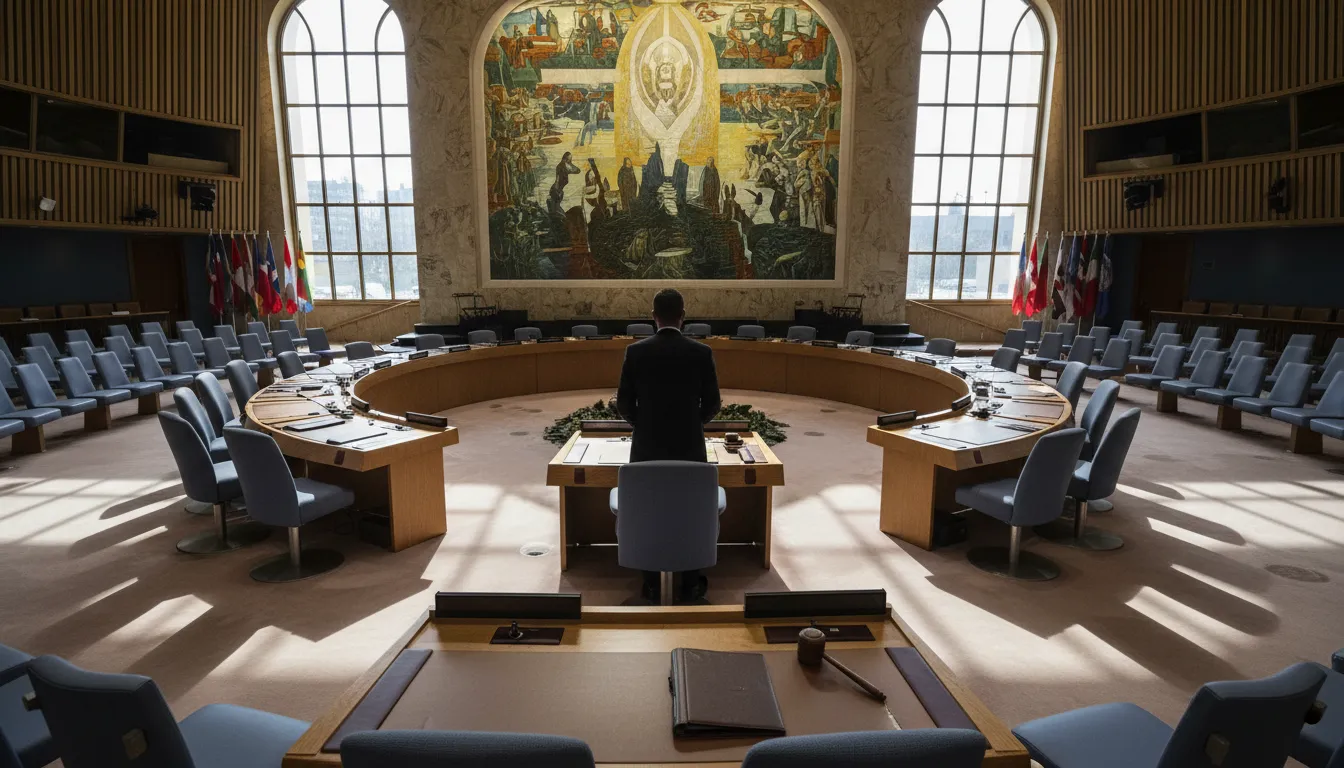
Iraq's government formation process is notoriously slow. After parliamentary elections, the Council of Representatives must first elect a speaker (Sunni), then a president (Kurdish) by a two-thirds majority. The president then tasks the leader of the largest parliamentary bloc with forming a cabinet — always a Shia politician — who has 30 days to assemble a government and win a parliamentary confidence vote.
In practice, the process takes far longer. Since 2003, every government formation has involved months of backroom bargaining among dozens of parties. The shortest delay — 131 days in 2014 — was considered fast. The longest, in 2021–2022, dragged on for 382 days before Mohammed Shia al-Sudani finally took office.
The delays are structural. A 2010 Federal Supreme Court ruling determined that the "largest parliamentary bloc" could mean either the party winning the most seats or a coalition assembled after the vote. This interpretation opened the door to endless post-election deal-making, effectively rewarding backroom politics over electoral results.
Why Critics Want It Dismantled
Muhasasa's defenders argue it prevents any one community from dominating and has kept Iraq from fracturing entirely. But critics — and they are now a majority of Iraqis — see the system as a machine for corruption and dysfunction.
Because positions are allocated by quota rather than competence, officials are often chosen for their loyalty to a party leader rather than their qualifications. Ministries become fiefdoms, and public budgets become patronage tools. Iraq ranks among the most corrupt countries in the Middle East, despite being one of the world's largest oil producers.
Foreign interference compounds the problem. Both Iran and the United States exert significant influence over government formation, sometimes vetoing candidates outright. This outside pressure further delays the process and undermines public trust in democratic institutions.
The Tishreen Uprising and Calls for Change
In October 2019, hundreds of thousands of Iraqis — predominantly young, predominantly from Shia-majority southern cities — took to the streets in what became known as the Tishreen (October) Movement. Their core demand was the end of Muhasasa and the establishment of a citizenship-based political system rather than one built on sectarian identity.
Security forces responded with lethal force, killing over 600 protesters and wounding thousands. The movement forced a prime minister's resignation and early elections, but the underlying system survived. Subsequent elections have shown that while most Iraqis oppose identity-based politics, voting patterns remain communal — partly because electoral rules and institutional design continue to favour established sectarian parties.
A System That Endures
Iraq's Muhasasa system remains remarkably resilient. Academic research suggests it endures not because elites believe in it, but because the institutional architecture — supermajority requirements, fragmented parliaments, and external pressure — makes any alternative nearly impossible to implement. The two-thirds threshold for electing a president, for instance, forces cross-sectarian coalition building, reinforcing the very power-sharing logic that protesters want to abolish.
For Iraq, the dilemma is stark: a system designed to prevent conflict has become a source of chronic instability, yet dismantling it risks unleashing the very divisions it was built to contain.