How the US Cuba Embargo Works—and Why It Persists
The US embargo on Cuba is the longest trade embargo in modern history, spanning over six decades. Here's how it works, why Congress locked it into law, and why no president has been able to end it.
The Longest Embargo in Modern History
The United States has maintained comprehensive economic sanctions against Cuba for more than six decades, making it the longest-standing trade embargo in modern history. What began as Cold War-era retaliation has evolved into a complex legal and political framework that no American president—regardless of party—has managed to dismantle. Understanding how the embargo works requires tracing its origins, its legal architecture, and the political forces that keep it alive.
How It Started
The roots of the embargo stretch back to 1959, when Fidel Castro's revolution overthrew the U.S.-backed government of Fulgencio Batista. Castro initially sought friendly relations with Washington, but the relationship deteriorated rapidly. When President Dwight Eisenhower barred American oil companies from selling to Cuba, Castro nationalized their refineries. The U.S. responded by slashing Cuba's sugar import quota, and Castro seized more American assets.
After the failed Bay of Pigs invasion in 1961 and Cuba's formal alignment with the Soviet Union, President John F. Kennedy proclaimed a full trade embargo on February 3, 1962. The order banned virtually all exports to Cuba and froze Cuban government assets in the United States.
How the Embargo Actually Works
The embargo is not a single law but a layered system of executive orders, federal statutes, and Treasury Department regulations enforced by the Office of Foreign Assets Control (OFAC). Its key mechanisms include:
- Trade ban: U.S. companies cannot export goods or services to Cuba, with narrow exceptions for food, medicine, and humanitarian supplies.
- Financial restrictions: Cuban entities are largely cut off from the U.S. banking system, and dollar-denominated transactions involving Cuba face severe limits.
- Travel controls: American tourists cannot freely visit Cuba. Travel is permitted only under specific OFAC license categories such as journalism, academic research, or family visits.
- Third-party penalties: Foreign companies that traffic in property confiscated from U.S. nationals by the Cuban government can face lawsuits in American courts.
Why Congress Locked It Into Law
For its first three decades, the embargo existed primarily through presidential executive orders, meaning any president could modify or lift it. That changed in 1996 with the Helms-Burton Act, formally known as the Cuban Liberty and Democratic Solidarity Act. The law was triggered by Cuba's shooting down of two civilian aircraft operated by the Cuban-American group Brothers to the Rescue in February 1996.
Helms-Burton codified the embargo into federal law, stripping the president of the power to unilaterally lift sanctions. Under the statute, the embargo can only be fully removed if Cuba holds free elections, releases political prisoners, and transitions to a democratic government. This means that even a president who wants to end the embargo cannot do so without an act of Congress.
The Pendulum of Presidential Policy
While presidents cannot eliminate the embargo, they retain significant licensing authority to loosen or tighten it. President Barack Obama used this power to restore diplomatic relations in 2014, ease travel restrictions, and allow limited commercial flights. President Donald Trump reversed many of those openings, reimposing strict travel limits and restricting financial transactions with entities tied to Cuba's military.
Each administration's approach reflects a broader political calculus. Florida's Cuban-American community—historically hawkish on Cuba policy—holds outsized influence in a critical swing state, giving politicians strong incentives to maintain or strengthen sanctions.
Has It Worked?
By most measures, the embargo has failed to achieve its primary goal of forcing regime change. Cuba's communist government has survived every U.S. president since Kennedy. According to the Washington Office on Latin America, the embargo has "failed to achieve any of its stated policy goals while exacting a high human cost." Cuba estimates cumulative losses exceeding $144 billion.
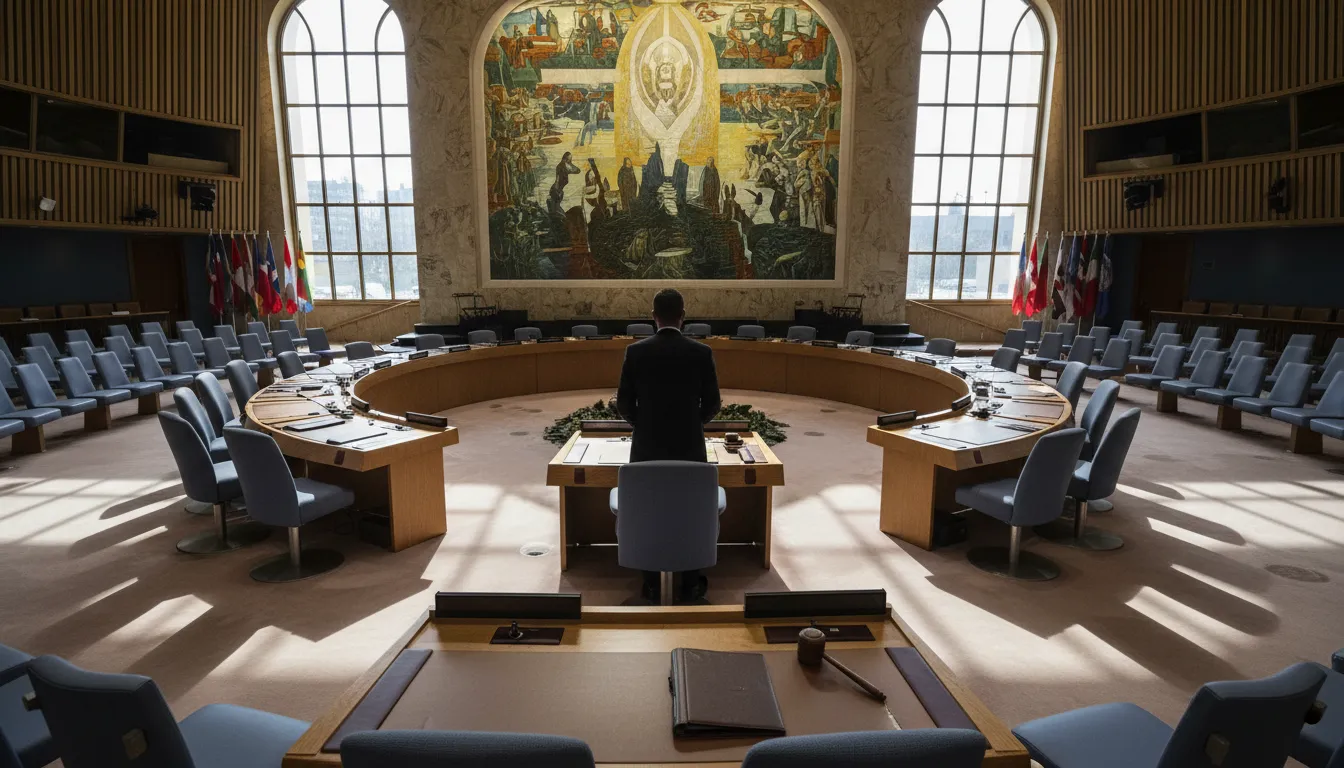
The United Nations General Assembly has voted overwhelmingly against the embargo nearly every year since 1992, with only the United States and Israel typically voting to maintain it. Critics argue it punishes ordinary Cubans while giving the government a convenient scapegoat for economic failures. Supporters counter that lifting sanctions would reward an authoritarian regime without securing democratic reforms.
Why It Still Matters
The Cuba embargo remains a case study in how Cold War policies can become politically entrenched long after their original rationale fades. With sanctions codified into law, a divided Congress, and Florida's electoral weight, the embargo has proven far easier to impose than to remove—regardless of whether it achieves its stated aims.