Why Home Distilling Is Illegal—and How That May Change
Home brewing beer and wine is legal across the United States, but distilling spirits at home remains a federal felony. Here's why the ban exists, how it traces back to the Civil War, and what a recent court ruling means for its future.
A Legal Double Standard
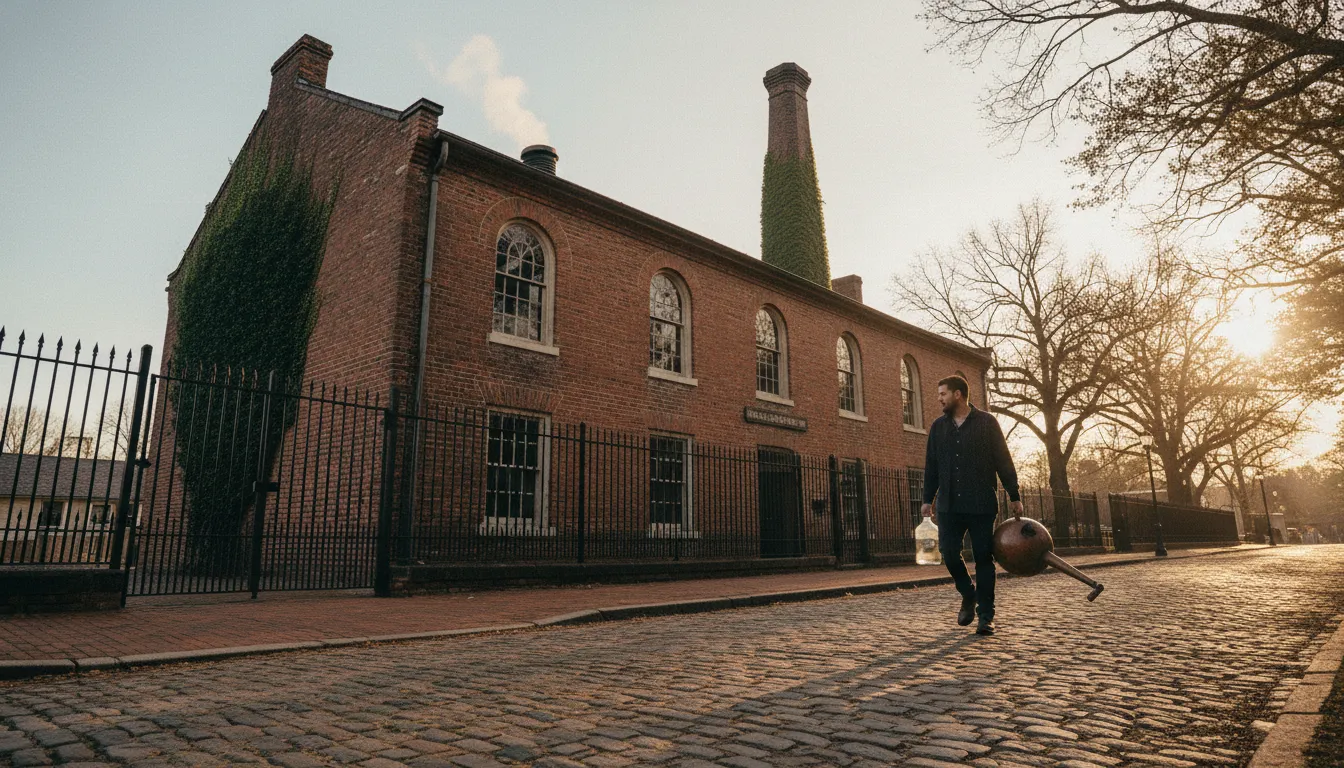
Americans can legally brew beer and make wine at home for personal use. But the moment someone fires up a still to distill spirits—even a few ounces of whiskey for their own enjoyment—they commit a federal felony punishable by up to five years in prison and a $10,000 fine. This stark legal divide has puzzled hobbyists and legal scholars for decades. Understanding why it exists requires a journey through American history, tax policy, and an evolving debate about personal liberty.
Roots in Revolution and Reconstruction
Americans have been distilling spirits since before the nation's founding. George Washington himself operated one of the country's largest distilleries at Mount Vernon, producing roughly 11,000 gallons of whiskey in 1799. The first clash between distillers and the federal government came just years earlier, during the Whiskey Rebellion of 1791–1794. Alexander Hamilton's excise tax on domestic spirits—intended to pay Revolutionary War debts—provoked violent resistance among frontier farmers who relied on whiskey as a transportable form of currency.
Washington crushed the uprising by personally leading nearly 13,000 militia troops into western Pennsylvania, establishing the principle that the federal government could enforce its tax laws. Thomas Jefferson repealed the whiskey tax in 1802, but the template was set: spirits meant revenue, and revenue demanded regulation.
The modern federal ban traces to 1868, when a Reconstruction-era law imposed excise taxes on distilled spirits and criminalized unlicensed production. The goal was straightforward—prevent tax evasion on a lucrative commodity. That law, with amendments, has remained in force ever since.
Why Beer and Wine Got a Pass
When Prohibition ended in 1933 with the 21st Amendment, home winemaking was immediately permitted again. Home brewing of beer, however, was accidentally left out of the implementing legislation—a clerical oversight not corrected until President Jimmy Carter signed a bill legalizing it in 1978. No similar exemption has ever been extended to distilled spirits.
The federal government has historically justified the ban on two grounds. First, tax revenue: federal excise taxes on spirits generate billions of dollars annually, and allowing untaxed home production could erode that base. Second, safety: distillation concentrates not only ethanol but also potentially harmful substances like methanol and heavy metals. Methanol, present in small quantities when fermenting pectin-rich fruits, can cause blindness or death if the distiller fails to discard the initial fraction of distillate known as "foreshots."
How Real Are the Safety Risks?
Critics argue the safety rationale is overstated. A 2024 study published in Heliyon analyzed both commercial and home-distilled alcohols from Texas and found that methanol concentrations in both categories fell well below FDA safety thresholds. The greater risk, researchers noted, came from lead and copper leaching from poorly constructed equipment—a problem better addressed through education and equipment standards than outright criminalization.
Improperly built stills also pose fire and explosion risks because alcohol vapor is highly flammable. However, advocates point out that deep-frying turkeys and canning food at home carry comparable hazards, yet neither is a federal crime.
A Global Patchwork
Most countries restrict or ban home distilling, but notable exceptions exist. New Zealand legalized home distilling for personal use in 1996—no license required. Several other jurisdictions, including parts of Austria, Italy, and some Australian states, permit it under varying regulations. The United Kingdom and Canada impose licensing requirements, while the U.S. has maintained one of the strictest prohibitions in the Western world.
The Courts Weigh In
The legal landscape may be shifting. In 2024, U.S. District Judge Mark Pittman ruled the 1868 ban unconstitutional, finding that Congress had overstepped its taxing authority. The 5th U.S. Circuit Court of Appeals upheld that decision in April 2026, with Judge Edith Jones writing that the ban actually reduced tax revenue by preventing distilling altogether rather than regulating and taxing it.
The ruling does not immediately legalize home distilling nationwide—state laws still apply, and the case could reach the Supreme Court. But for the Hobby Distillers Association and its 1,300 members, the decision represents the most significant crack in a prohibition that has endured since the age of Reconstruction.