How State Visits Work—Diplomacy's Grandest Tool
State visits are the highest form of diplomatic exchange between nations, involving elaborate protocol from 21-gun salutes to state dinners. Here's how they work and why ceremony still matters in modern diplomacy.
The Highest Honor in Diplomacy
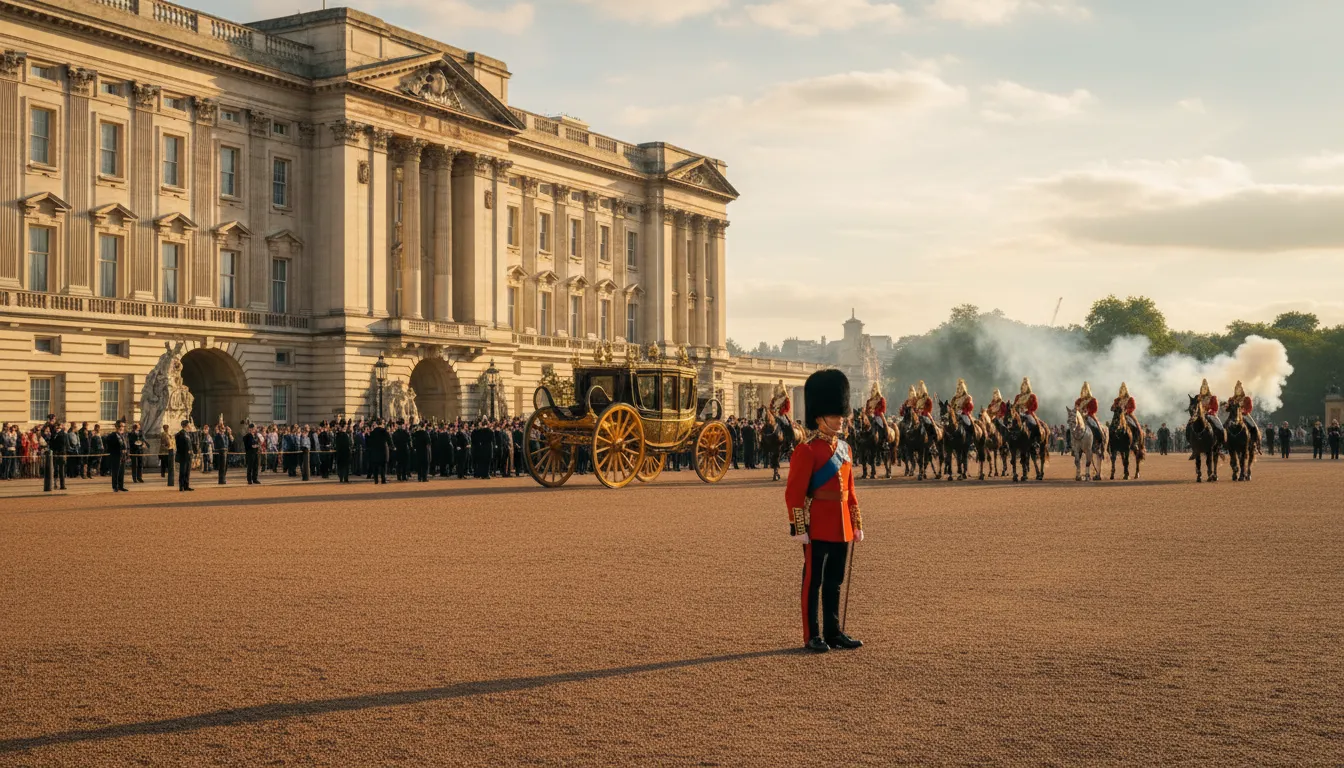
When a foreign leader arrives at the White House to cannons booming a 21-gun salute, a military band playing their national anthem, and thousands of spectators lining the South Lawn, they are receiving a state visit—the most prestigious form of diplomatic engagement one country can offer another. It is a carefully choreographed display of respect, alliance, and political signaling that has shaped international relations for centuries.
But not all leader-to-leader meetings are created equal. Governments maintain a strict hierarchy of visits, each carrying different levels of ceremony, access, and diplomatic weight. Understanding how this system works reveals how nations use pageantry as a tool of statecraft.
The Hierarchy of Diplomatic Visits
The United States, like most countries, ranks foreign leader visits in a clear pecking order. At the top sits the state visit, reserved exclusively for heads of state—presidents, monarchs, or their equivalents—and extended only at the personal invitation of the U.S. president. American diplomatic policy limits state visits to one per country per presidential term, making each one a rare and deliberate gesture.
Below the state visit is the official visit, typically offered to heads of government such as prime ministers. It includes many of the same elements—meetings, dinners, and joint statements—but with reduced ceremony. There is no 21-gun salute, no full-dress military review, and no glittering state dinner with guests in formal eveningwear.
Further down the ladder are working visits, which strip away most ceremony and focus purely on substance—bilateral talks, press conferences, and policy discussions. These are the most common form of leader meeting and often happen on the margins of multilateral summits like the G7 or United Nations General Assembly.
Anatomy of a State Visit
A state visit to Washington follows a well-established script managed by the State Department's Office of the Chief of Protocol in coordination with the White House and the visiting nation's embassy.
The visiting head of state typically stays at Blair House, the 119-room presidential guest house across Pennsylvania Avenue from the White House. The complex has hosted virtually every major foreign dignitary since President Truman designated it for that purpose in 1942.
The morning after arrival, a formal arrival ceremony takes place on the White House South Lawn. Military units from all service branches form an honor guard, the Presidential Salute Battery fires cannon volleys, and both national anthems are performed. The two leaders then deliver brief public remarks.
The day continues with bilateral meetings in the Oval Office or Cabinet Room, followed by a joint press conference. The centerpiece of the entire visit is the state dinner—an evening affair with 100 to 200 guests featuring elaborate table settings, world-class entertainment, and toasts between the two leaders. Invitations to a state dinner are among the most coveted in Washington.
Why Ceremony Still Matters
In an era of video calls and instant messaging, the elaborate ritual of a state visit might seem antiquated. But diplomatic scholars argue it remains one of the most powerful tools in international relations.
State visits function as a public declaration of a bilateral relationship's importance, sending signals not just to the visiting country but to every other nation watching.
The decision of whom to invite—and whom to bypass—carries enormous political weight. Extending a state visit signals that a relationship is a top priority; withholding one can express displeasure without a single word being spoken. The ceremony itself creates shared experiences and personal bonds between leaders that formal negotiations alone cannot achieve.
State visits also serve domestic audiences. They project a leader's international standing, create favorable media coverage, and provide a platform for announcing trade deals, security agreements, or cultural exchanges.
A Tradition That Endures
From Queen Elizabeth II's visits to Washington in 1957, 1991, and 2007, to state dinners honoring leaders from Japan, France, India, and dozens of other nations, the state visit tradition has adapted to changing geopolitics while preserving its core function: using ceremony to cement alliances and project mutual respect on the world stage.
In diplomacy, symbols matter as much as substance—and no symbol carries more weight than rolling out the red carpet, firing the cannons, and inviting a leader to dine at the most famous house in the world.