Iran War Drives Mortgages Above 6%, Stalling Housing
Escalating conflict with Iran has pushed U.S. 30-year mortgage rates back above 6%, threatening the spring buying season, while global home price growth slows to 2.4% annually and affordability remains out of reach for middle-class households across Europe and Asia.
A Fragile Recovery Derailed
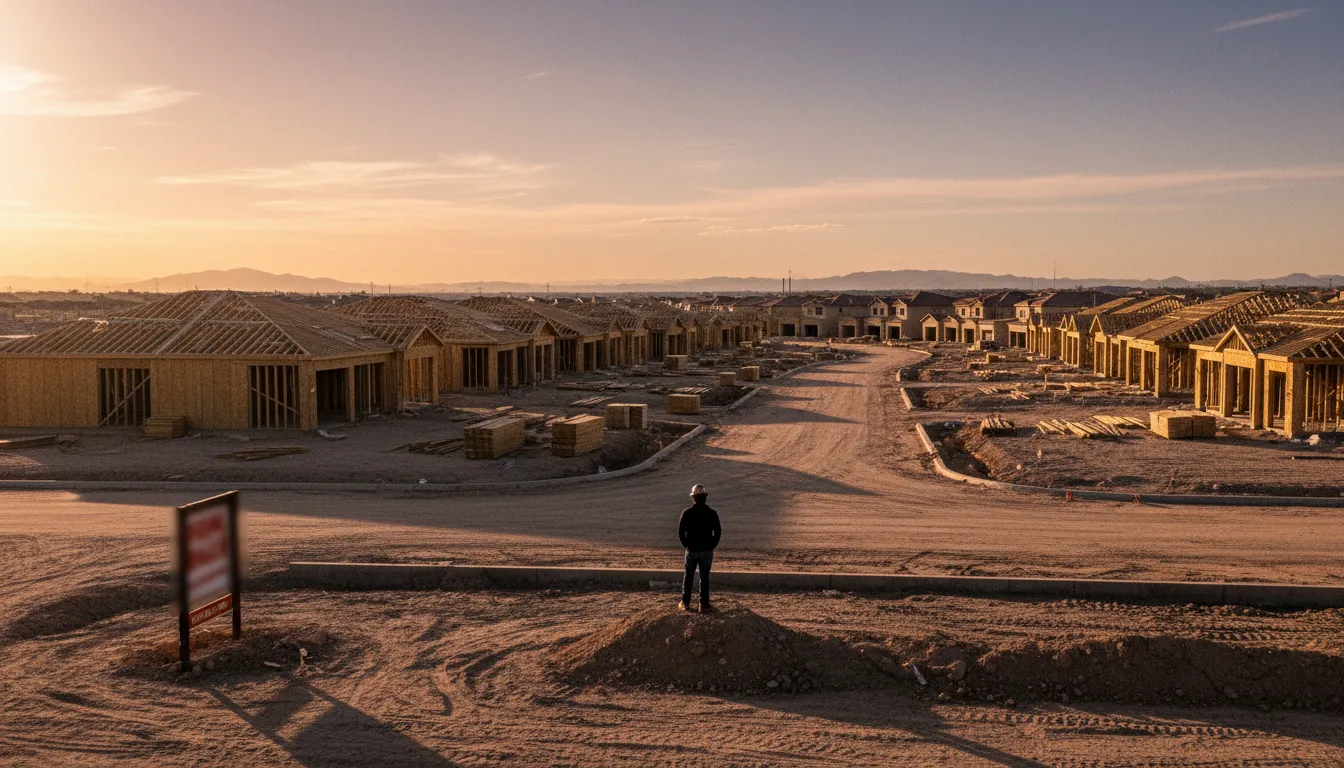
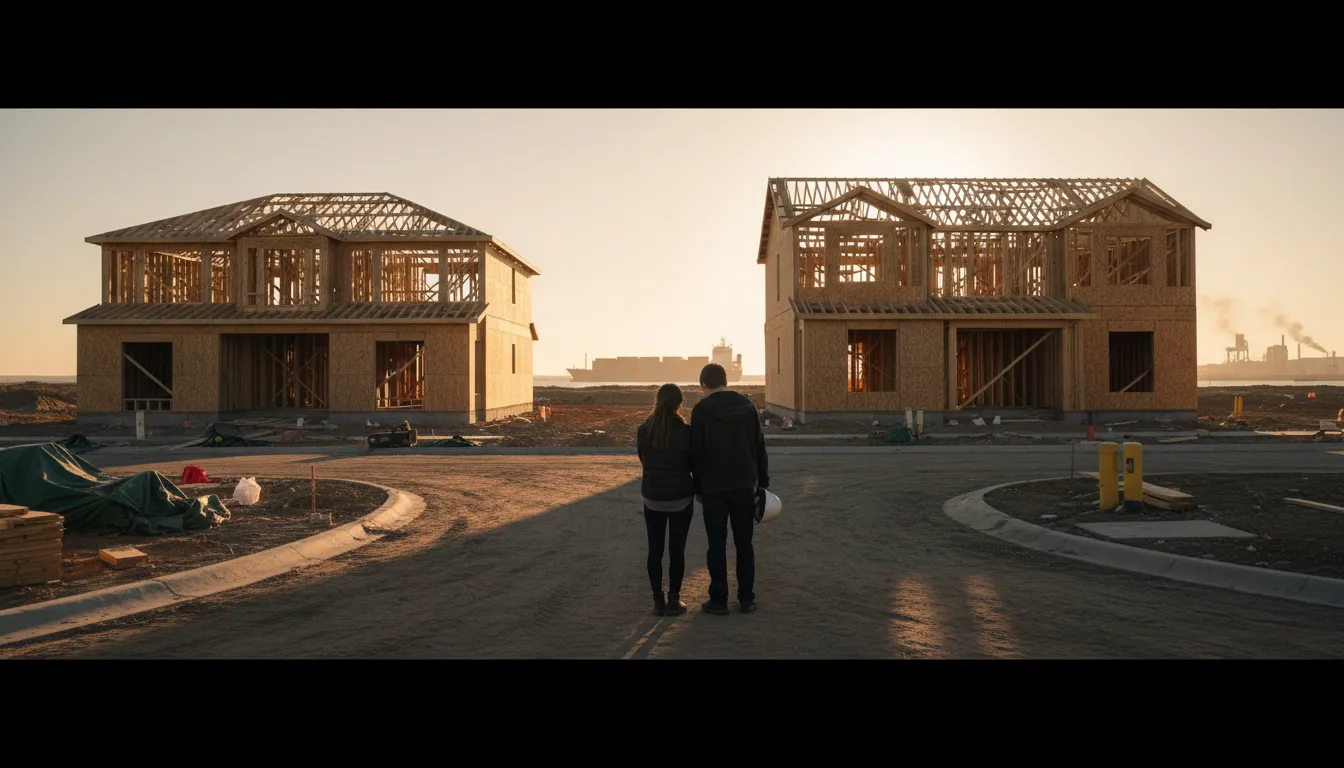
Just as the U.S. housing market was showing its first green shoots in years — with the 30-year fixed mortgage rate briefly dipping below 6% for the first time since 2022 — escalating military conflict with Iran shattered the calm. By early March 2026, rates had climbed back to 6.11–6.12%, erasing weeks of progress and casting a shadow over what was supposed to be a promising spring selling season.
The mechanism was swift and familiar: Iranian strikes rattled bond markets, crude oil broke back above $80 per barrel, and gasoline prices in the U.S. jumped 27 cents in a single week — a pace last seen when Russia invaded Ukraine in 2022. Inflation fears surged, pushing Treasury yields higher, and mortgage rates followed within days.
"As long as there's a quick resolution, borrowing costs aren't likely to rise enough to spoil momentum — but a lengthy conflict would keep upward pressure on yields that guide home loans," economists warned.
Spring Season Hopes on Ice
The timing could not be worse. Home buyers who had been hovering on the sidelines during the rate dip showed reluctance to commit even before the latest spike, according to Yahoo Finance reporting. Now, with rates climbing again, analysts expect another wave of hesitation — particularly among first-time buyers, who are most sensitive to monthly payment fluctuations.
The broader market picture reflects this pressure. U.S. home price growth has slowed to near-zero nationally, with J.P. Morgan Global Research projecting a 0% appreciation for 2026 overall, and price declines forecast in 22 of the 100 largest American cities. The National Association of Realtors' affordability index remains roughly 35% below its pre-COVID level.
Global Prices Hold — But Just Barely
Despite the turbulence, the global picture is not uniformly bleak. Across 55 tracked markets, nominal home prices are still up 2.4% year-over-year, with 86% of countries posting positive trends, according to Global Property Guide data. However, much of this growth is being eroded by inflation in high-cost economies, making real-terms gains illusory for most households.
In Europe, the affordability crisis has reached a critical point. Only 14% of European cities report that housing is accessible to their residents, with the crunch falling hardest on middle-income workers — teachers, nurses, police officers — who can no longer afford to live in the cities they serve, according to Eurocities monitoring data. The largest price-to-income deteriorations have occurred in Portugal, the Netherlands, Hungary, Ireland, and Austria.
Asia fares even worse. The Asian Development Bank reports an average price-to-income ratio of 15.8 across Asian cities — a level classified as severely unaffordable — compared to a benchmark of around 4 in developed economies.
Luxury: A Market Apart
While middle-class buyers struggle, the luxury segment continues to operate by entirely different rules. Foreign buyer activity in the U.S. jumped 44% year-over-year, driven by global wealth accumulation and an estimated $6 trillion in generational wealth transferred in 2025 alone, according to Sotheby's International Realty's 2026 Luxury Outlook. Cash purchases dominate, insulating high-end transactions from mortgage rate volatility entirely.
Security, privacy, and lifestyle quality have overtaken square footage as the defining luxury metrics, with gated communities and resilient infrastructure drawing international buyers to gateway cities and emerging lifestyle markets alike.
What Comes Next
The trajectory of global real estate in 2026 now hinges substantially on geopolitics. A swift de-escalation in Iran could allow oil prices to retreat, ease inflation fears, and bring mortgage rates back toward — or below — the psychologically critical 6% threshold. A prolonged conflict, however, risks pushing rates higher still, deepening the affordability gap and further bifurcating a market already split between wealthy international buyers and increasingly priced-out local middle classes.