Ramadan 2026 Begins as 2 Billion Muslims Start Fasting
The holy month of Ramadan 2026 begins on February 18 in Saudi Arabia and Gulf nations, with most other countries following a day later, as roughly 2 billion Muslims worldwide observe a month of fasting, prayer, and heightened consumer activity.
A Global Observance Begins
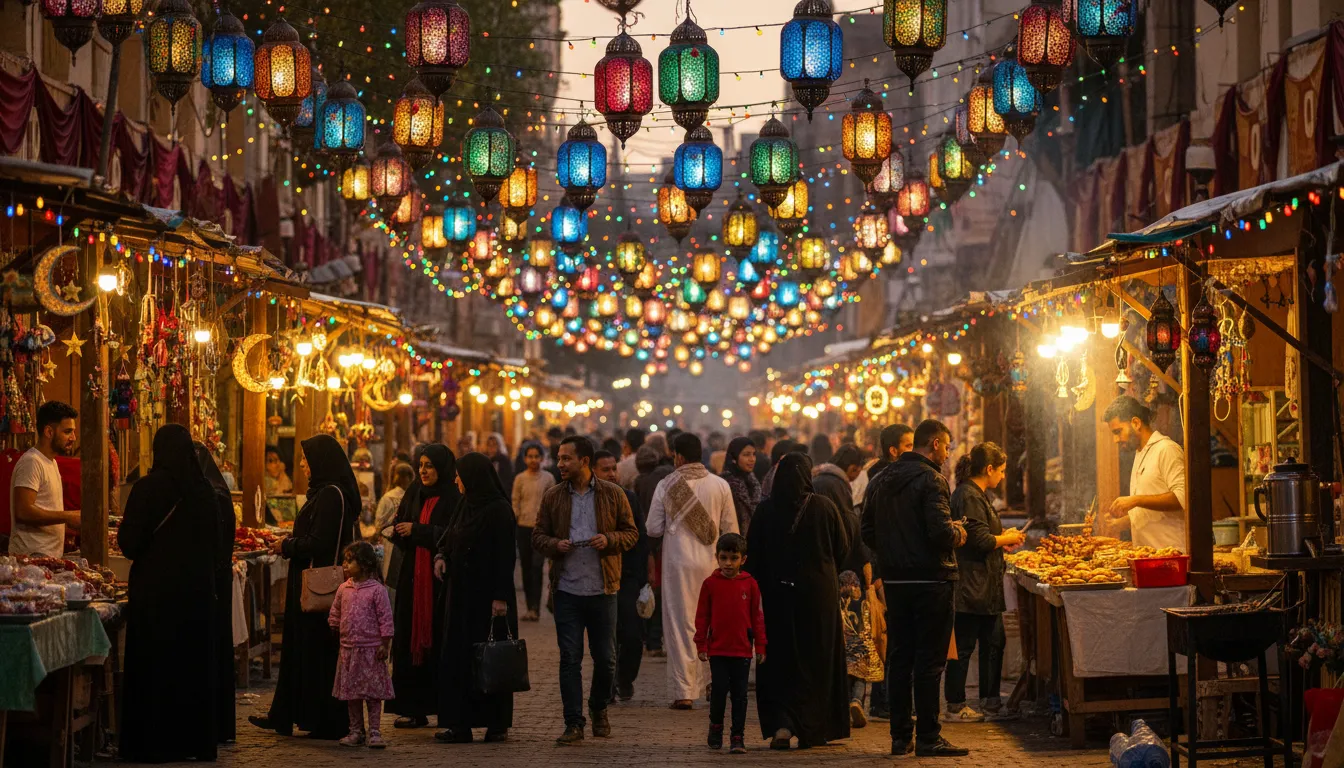
The holy month of Ramadan has officially begun, with Saudi Arabia, the UAE, Qatar, Bahrain, Kuwait, and several other nations declaring Wednesday, February 18, as the first day of fasting after reporting a crescent moon sighting on Tuesday evening. The announcement sets in motion the most significant annual religious observance on the planet, with roughly 2 billion Muslims worldwide abstaining from food, drink, and smoking from dawn to dusk for the next 29 or 30 days.
A second group of countries — including Egypt, Turkey, Indonesia, Malaysia, Jordan, and Tunisia — will begin Ramadan on Thursday, February 19, after their moon-sighting committees failed to spot the crescent on the observation night. The split start dates are a familiar feature of Ramadan, rooted in differing traditions around lunar observation.
The Moon Sighting Controversy
This year's crescent sighting has drawn unusual scrutiny. Astronomers have pointed out that the moon was, by scientific consensus, impossible to see with the naked eye anywhere in the Middle East, Asia, Africa, or Europe on the evening of February 17. The UK's Nautical Almanac Office confirmed the moon would not have been visible in Saudi Arabia that night. Despite these objections, Gulf states followed Saudi Arabia's declaration, as is customary. The debate highlights the enduring tension between traditional religious practice and modern astronomy — a conversation that recurs each year.
Fasting Hours Vary Widely
Because Ramadan falls during the Northern Hemisphere's late winter this year, fasting durations will be relatively moderate for most of the world's Muslims. According to Al Jazeera's global timetable, fasts will range from roughly 11.5 to 15.5 hours depending on latitude. Cities in the Gulf and South Asia will see approximately 12 to 13 hours of fasting, while Muslims in the Southern Hemisphere — in places like New Zealand, Chile, and South Africa — face the longest fasts at around 14 to 15 hours.
A notable calendar quirk lies ahead: because the Islamic lunar calendar is roughly 10 to 12 days shorter than the solar year, Ramadan will occur twice in 2030 — once in early January and again in late December.
Economic Ripple Effects
Ramadan's impact extends far beyond the mosque. Research shows that while productivity in Muslim-majority countries can drop by 35 to 50 percent due to shortened working hours and fasting fatigue, the month simultaneously triggers a massive consumer spending surge. Food expenditure typically rises by 50 to 100 percent, with Ramadan-period food purchases accounting for an estimated 15 percent of annual household food budgets in many countries.
Consumer data from Brandwatch shows that online Ramadan conversations jumped 76 percent in the three months before Ramadan 2026 compared to the same period a year earlier. Mentions of iftar parties surged 22 percent, while Ramadan recipe searches spiked 144 percent. The UAE has mobilised federal and local authorities to bolster strategic food reserves and strengthen supply chains ahead of the seasonal demand spike.
A Month of Spiritual Renewal
At its core, Ramadan remains a deeply spiritual occasion. The month commemorates the revelation of the Quran's first verses to the Prophet Muhammad nearly 1,450 years ago. Fasting — one of Islam's five pillars — is intended to cultivate taqwa, a heightened consciousness of God, and to build empathy with those who go without. Charitable giving surges during the month, with organisations like Islamic Relief running major global campaigns timed to Ramadan's spirit of generosity.
As the first iftar meals are served at sunset tonight across the Gulf, billions more will join in the days ahead — a shared rhythm of discipline, community, and reflection that spans continents and cultures.