US-Israel Strikes on Iran Ignite Regional War
On Day 3 of Operation Epic Fury, Iranian retaliatory missiles and drones struck Dubai, Doha, and Manama, killing civilians and threatening more than 300 million people across the Middle East as the US-Israeli offensive shows no sign of stopping.
From Tehran to the Gulf Skylines
The joint American-Israeli military campaign against Iran, launched on February 28, 2026, has spiraled into a full-scale regional conflagration within just three days. Codenamed Operation Roaring Lion by Israel and Operation Epic Fury by the US Department of Defense, the offensive was designed to cripple Iran's nuclear and missile programs, destroy its navy, and topple the government in Tehran. Within hours of the opening strikes, both countries confirmed the killing of Iran's Supreme Leader Ali Khamenei, along with the Defense Minister, the Secretary of the Iranian Security Council, and the head of the Islamic Revolutionary Guard Corps (IRGC).
Iran Strikes Back — on 27 Fronts
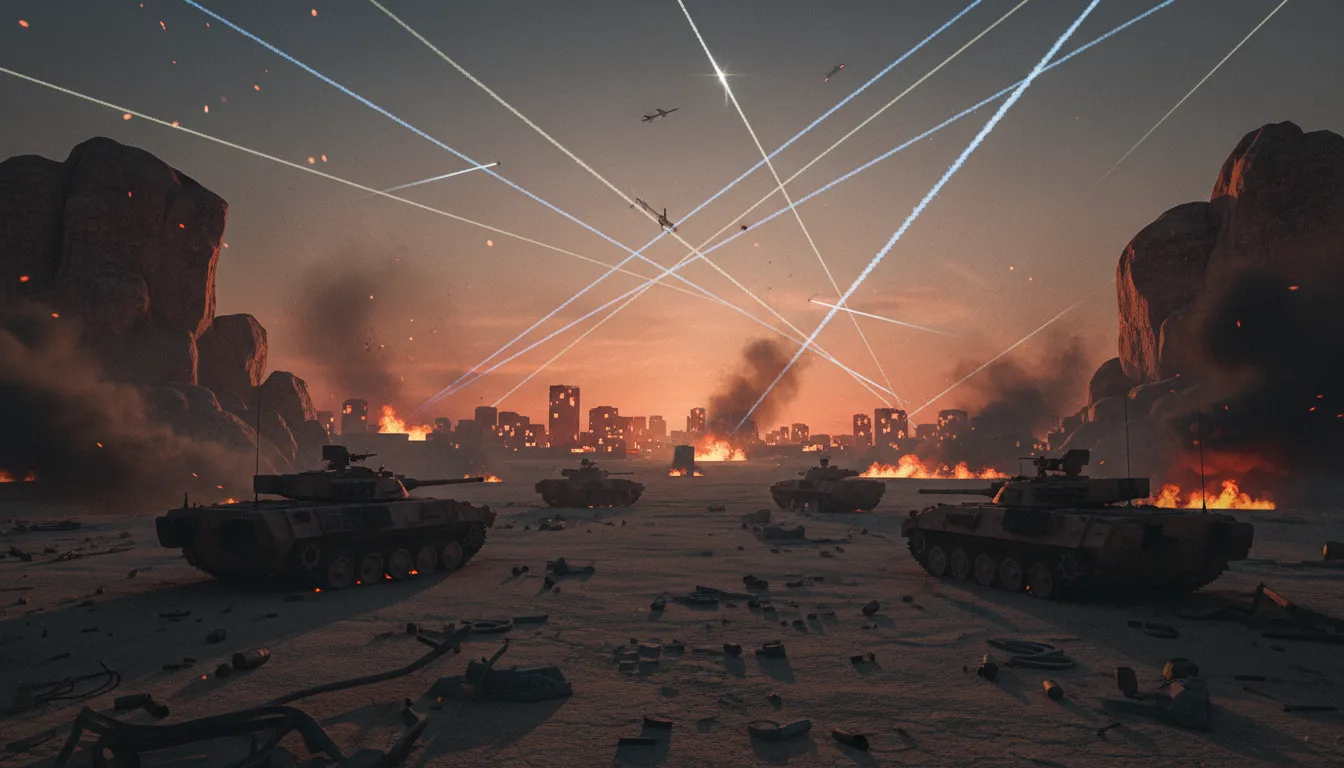
Iran's retaliation was swift, coordinated, and sweeping in scope. The IRGC launched what it described as attacks on 27 US military bases across the region, deploying an estimated 165 ballistic missiles, two cruise missiles, and over 540 drones. Primary targets included Al Udeid Air Base in Qatar, the US Navy Fifth Fleet headquarters in Bahrain, Al Dhafra Air Base in the UAE, and facilities in Kuwait, Iraq, and Jordan, according to France 24.
The Iranian counter-strikes quickly extended beyond military installations. Dubai International Airport was evacuated; fires and smoke rose above the iconic Palm Jumeirah and the Burj Al Arab hotel. Explosions rattled residential neighborhoods in Bahrain's capital Manama and in Doha, Qatar. At least three people were killed in the UAE — nationals of Pakistan, Nepal, and Bangladesh — while one person died at Abu Dhabi's airport and 16 were injured in Qatar, Al Jazeera reported.
A Devastating Human Cost
Inside Iran, the toll has been far more severe. The Iranian Red Crescent Society reported at least 555 Iranians killed since the operation began, with initial reports indicating more than 168 schoolgirls killed in a direct strike on a school. The Iran International news agency confirmed the UAE intercepted multiple Iranian missiles, though significant damage was still inflicted across civilian zones.
On the American side, at least six US service members have been killed in action as of Day 3, with President Trump vowing to "avenge" their deaths. The president told reporters the campaign could last four to five weeks, while Pentagon chief Pete Hegseth left open the possibility of six weeks or longer, Military Times reported.
300 Million Civilians at Risk
In fewer than 72 hours, the conflict has ricocheted far beyond its original theaters. Israeli airstrikes on Hezbollah positions in Lebanon have killed at least 20 people in Beirut's southern suburbs. The Washington Post reported that the war now threatens more than 300 million civilians across more than a dozen nations — a scale of regional exposure unseen in decades.
Oil markets have lurched on fears of supply disruption through the Strait of Hormuz, and commercial aviation across the Gulf has been severely curtailed. Gulf states that host US forces — and have long maintained fragile neutrality with Tehran — now find themselves directly in the crossfire.
International Law and Diplomacy Under Strain
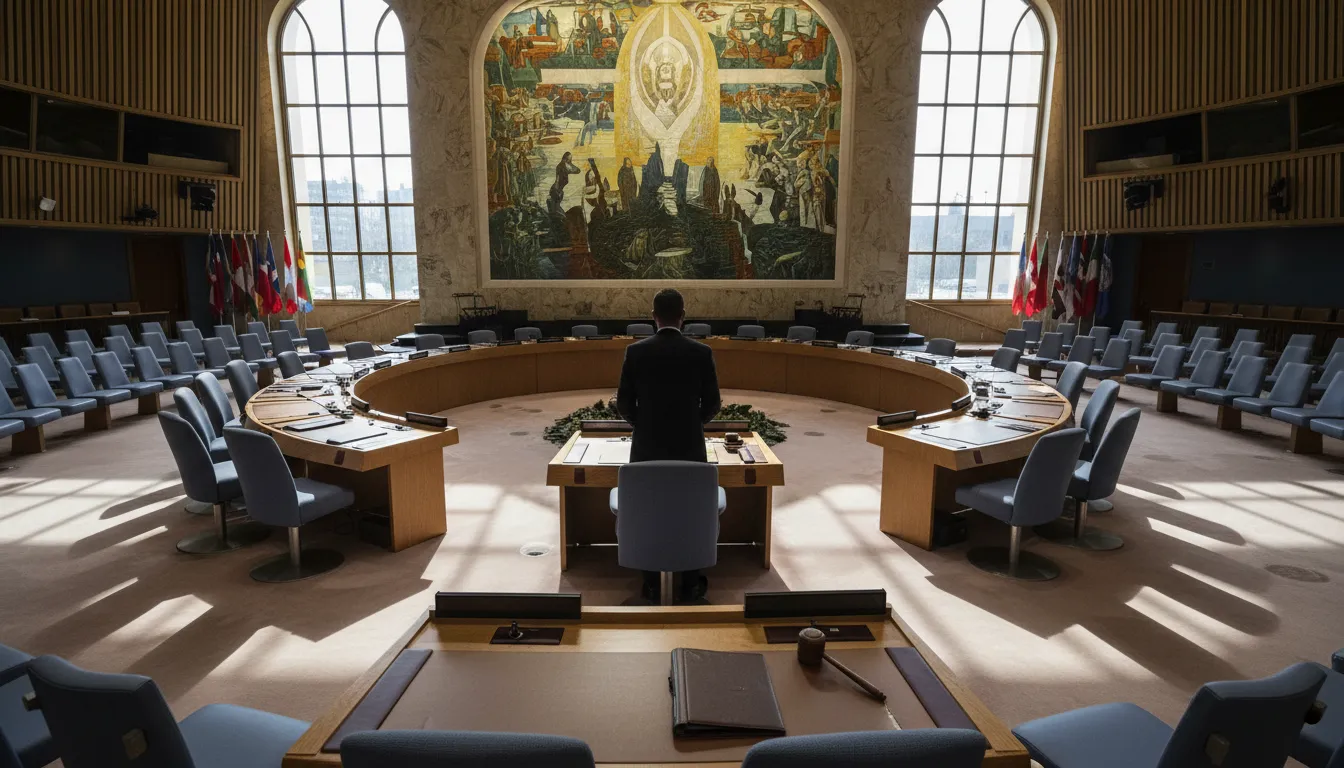
The strikes have triggered a diplomatic crisis of global proportions. Iran's foreign ministry condemned the killing of Khamenei as "a grave violation of Iran's sovereignty" and a breach of the UN Charter's core principles. French President Emmanuel Macron called for an emergency UN Security Council session.
The Council on Foreign Relations warned that the operation marks a fundamental shift in US Middle East strategy, raising urgent questions about proportionality under international law and the long-term consequences for regional stability. Whether Gulf states — struck by Iranian missiles on their own soil — will be drawn into active combat now stands as the conflict's most consequential open question.