How IPOs Work—From Filing to First Trade
An initial public offering transforms a private company into a publicly traded one. Here is how the multi-step process works, from hiring underwriters and filing with the SEC to the roadshow, pricing, and the first day of trading.
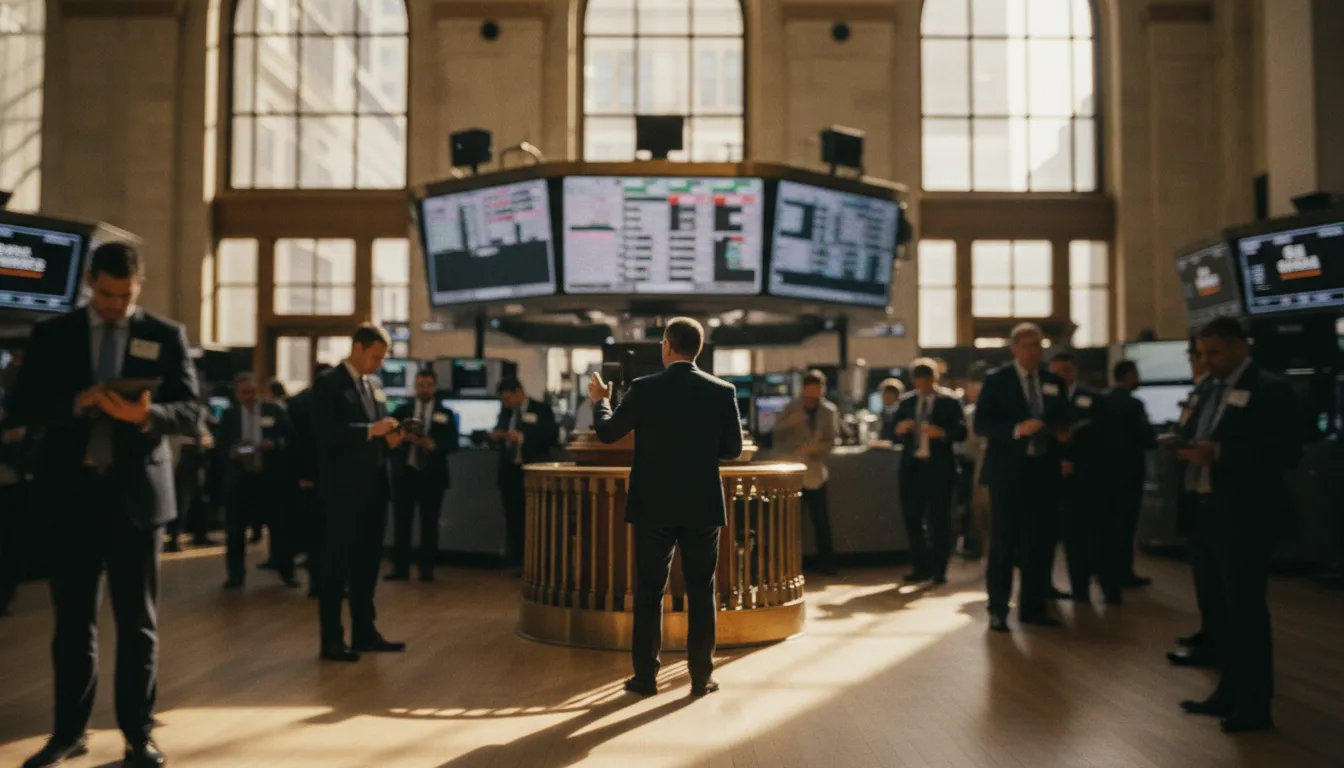
Why Companies Go Public
An initial public offering, or IPO, is the moment a private company first sells shares of stock to the general public. It is one of the most consequential events in a company's life — unlocking vast pools of capital, giving early investors a chance to cash out, and subjecting the firm to a new level of scrutiny. From tech giants like Apple and Google to newer entrants eyeing hundred-billion-dollar valuations, the road from private startup to publicly traded corporation follows a well-defined playbook.
Step 1: Choosing Underwriters
The process begins when a company hires one or more investment banks to manage the offering. The lead bank, known as the book-running manager, assembles a syndicate of additional banks, each responsible for selling a portion of the shares. Together, these underwriters advise on timing, structure, and pricing — and they guarantee the company a minimum amount of capital by purchasing the shares themselves before reselling them to investors.
Step 2: SEC Filing and Review
In the United States, the company must file a Form S-1 registration statement with the Securities and Exchange Commission. This document includes audited financial statements, a description of the business and its risks, details on how the proceeds will be used, and a management discussion of financial performance. The SEC reviews the filing — typically within 30 days — and responds with comments that may require several rounds of revision before the document is approved.
During this period, a quiet period restricts what the company and its underwriters can say publicly about the stock. The goal is to prevent hype from distorting investor decisions before the full prospectus is available.
Step 3: The Roadshow
Once the SEC clears the registration statement for distribution, the underwriters organise a roadshow — a whirlwind series of presentations, typically lasting 10 to 15 business days, in which the company's management pitches institutional investors in major financial centres. During these meetings, fund managers ask questions, assess the business, and indicate how many shares they might buy and at what price. This feedback is essential to the book-building process, helping underwriters gauge demand.
Step 4: Pricing the Deal
The night before the stock begins trading, the underwriters and the company agree on a final offering price. If investor demand is strong and the deal is oversubscribed, the price lands at the high end of the previously disclosed range. If demand is tepid, it moves lower. Research by the National Bureau of Economic Research shows that IPOs are underpriced by roughly 14 percent on average, meaning the offering price is deliberately set below what the market will bear on the first day. This "IPO pop" rewards early investors but leaves money on the table for the issuing company.
Step 5: Allocation and First-Day Trading
After pricing, the syndicate team allocates shares. The vast majority go to institutional clients — pension funds, mutual funds, and asset managers — with only a small fraction reaching retail investors at the offering price. Banks favour long-term holders but also weigh the value of their ongoing relationships with major clients.
When the stock exchange opens the next morning, shares begin trading on the secondary market. Historical data shows average first-day returns of roughly 18 to 19 percent, though this figure swings wildly with market conditions — during the dot-com bubble, first-day pops averaged above 37 percent.
The Lock-Up Period
Company insiders — founders, executives, and early investors — typically cannot sell their shares immediately. A lock-up period, usually lasting 90 to 180 days, prevents insiders from flooding the market and depressing the share price. When the lock-up expires, a wave of selling can follow, sometimes causing noticeable price dips. Academic research has found that managers strategically accept first-day underpricing in part because it generates positive momentum heading into the lock-up expiration, when they finally sell.
Why It Matters
The IPO process is the gateway between private and public capital markets. It determines how billions of dollars change hands, who gets access to shares at the lowest price, and how much scrutiny a company must endure going forward. Understanding its mechanics — from SEC filings to book-building to lock-up dynamics — is essential for anyone following markets, whether as an investor, an employee holding stock options, or simply a curious reader watching the next blockbuster listing.