How U.S. Military Bases in Europe Work—and Why
The United States operates over 40 military installations across Europe, from Germany to Turkey. Here's how this vast network functions, why it exists, and what it enables.
A Network Built From World War II
The United States maintains over 40 military installations across Europe, hosting approximately 84,000 service members. This vast network—concentrated in Germany, Italy, the United Kingdom, and Poland—forms the backbone of American power projection across three continents. But how did it get there, and what does it actually do?
The story begins in 1945. After World War II, American forces remained in Western Europe to support reconstruction and counter Soviet expansion. At peak Cold War strength in the late 1950s, more than 400,000 U.S. troops were stationed on the continent. When the Soviet Union collapsed in 1991, successive presidents drew down the presence to roughly 63,000 troops by 2013—the modern low point.
What the Bases Actually Do
U.S. military bases in Europe serve functions far beyond hosting troops. Their missions fall into several categories:
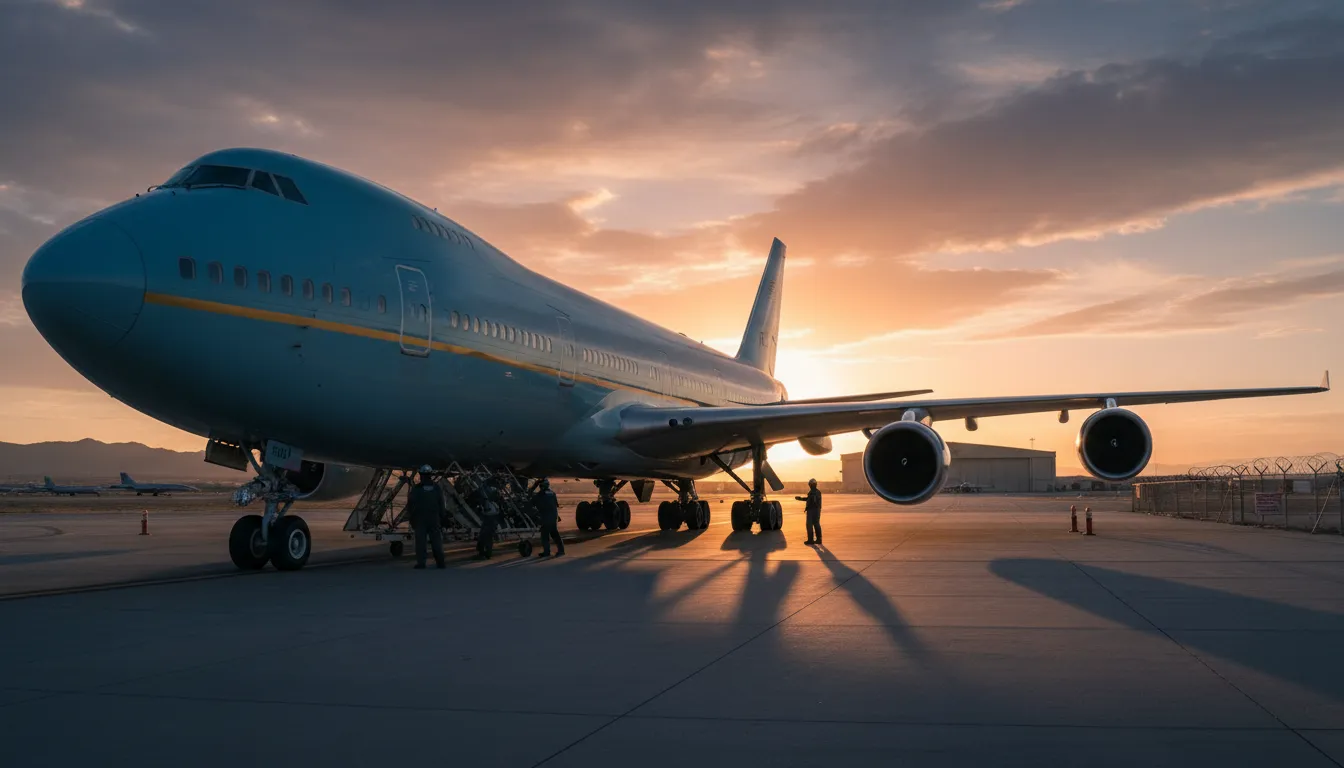
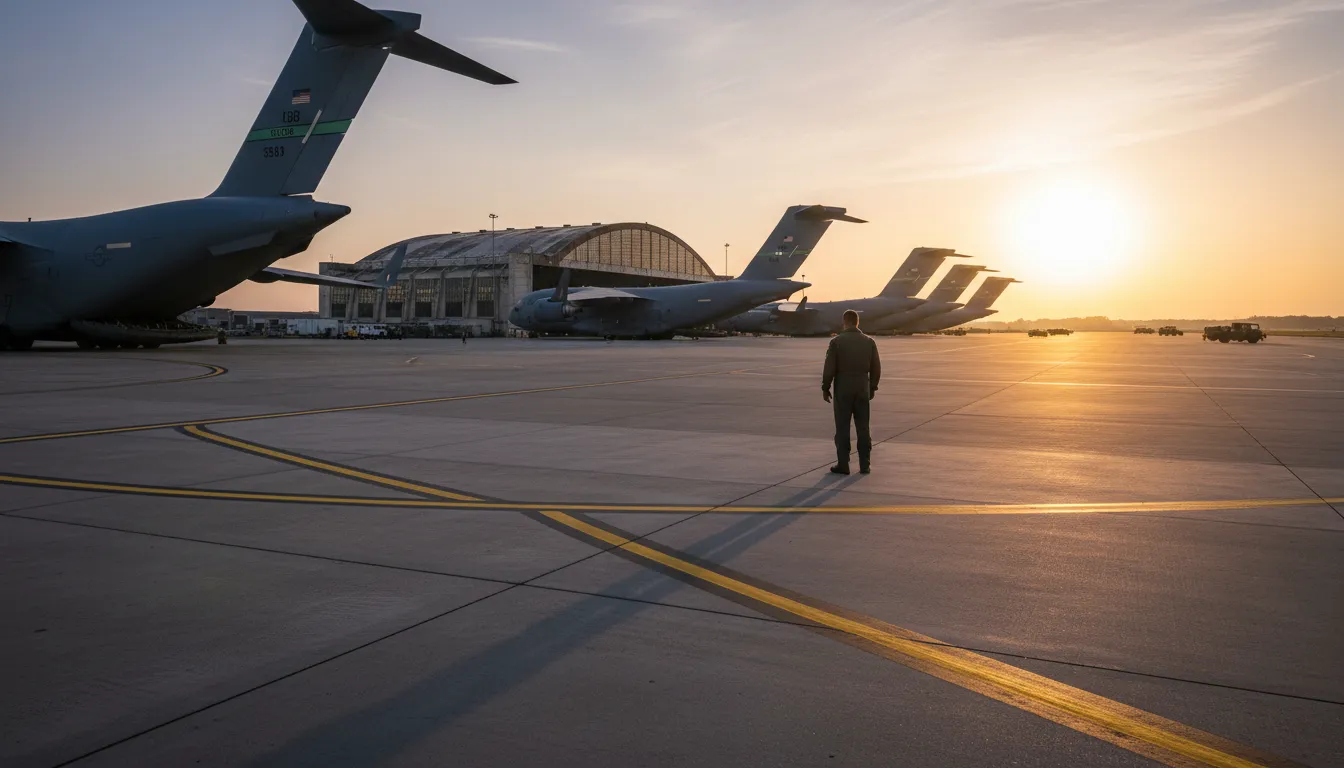
- Power projection: Bases like Ramstein Air Base in Germany—the largest U.S. Air Force installation outside American soil—serve as logistics hubs for operations across Europe, Africa, and the Middle East.
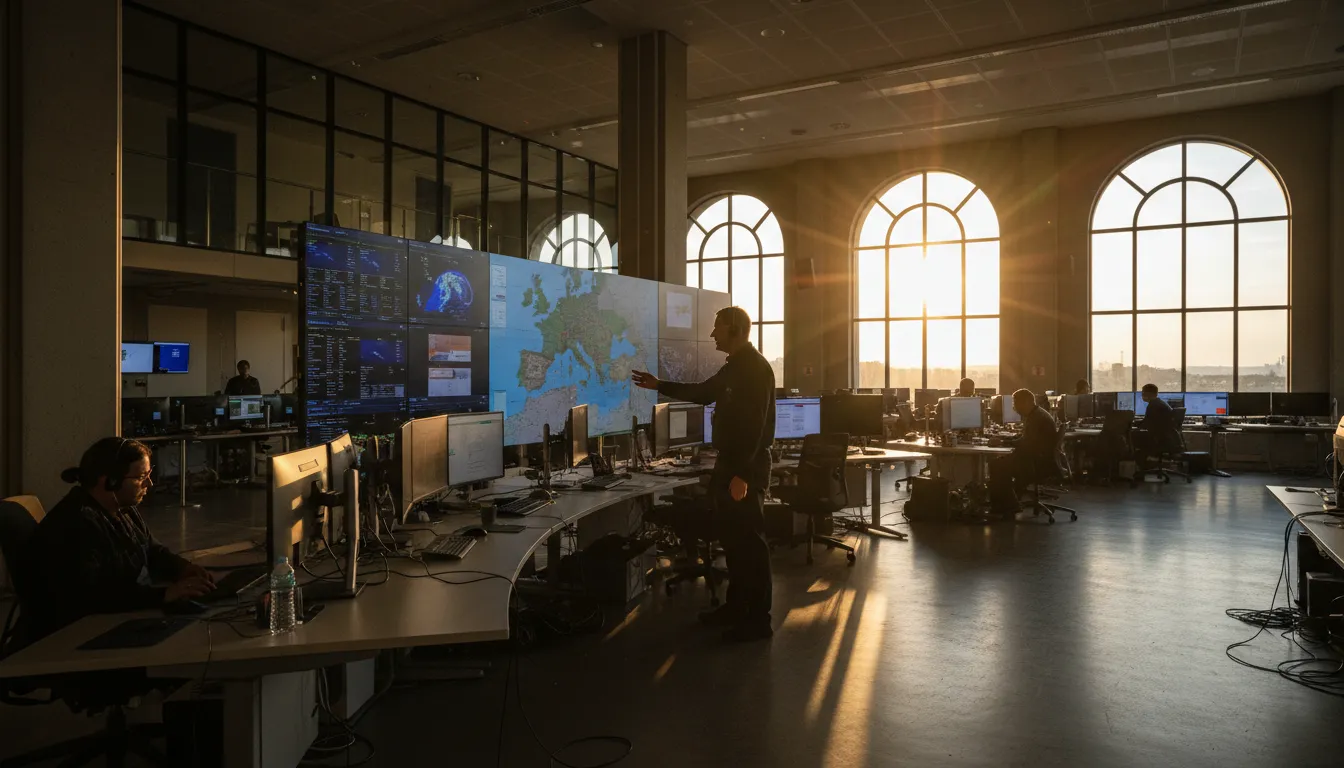
- Command and control: Ramstein hosts both United States Air Forces in Europe–Air Forces Africa (USAFE-AFAFRICA) and NATO's Allied Air Command, coordinating air and missile defence operations across the alliance.
- Intelligence and surveillance: Facilities track Russian submarine activity in the Atlantic, provide early warning of ballistic missile strikes, and conduct electronic eavesdropping operations.
- Drone relay: Ramstein operates a satellite relay facility that transmits signals between operators in the United States and remotely piloted aircraft flying over Africa and the Middle East, overcoming communication lag that would otherwise make remote operations impossible.
- Medical evacuation: Wounded service members from conflict zones are flown to Ramstein, then transferred to Landstuhl Regional Medical Center—the largest American hospital outside the U.S.
The Legal Framework: Status of Forces Agreements
Every U.S. base abroad operates under a Status of Forces Agreement (SOFA)—a bilateral treaty that defines legal jurisdiction over American personnel in a host country. The United States has SOFAs with roughly 53 nations, covering some 246,000 military personnel, 48,000 civilian DoD employees, and approximately 180,000 dependents.
SOFAs determine who prosecutes crimes committed by U.S. personnel, whether host nations can inspect facilities, and who pays for environmental cleanup. These agreements frequently generate tension: host populations sometimes resent the legal immunities American troops enjoy, while the U.S. insists on protections it considers necessary for operational security.
Post-2022: The Eastern Pivot
Russia's full-scale invasion of Ukraine in February 2022 transformed the European posture. The Pentagon deployed an additional 20,000 troops to Eastern Europe, particularly Poland and Romania, under Operation Atlantic Resolve. NATO allies simultaneously agreed to station permanent combat units along the alliance's eastern flank for the first time.
Germany remains the centre of gravity, hosting roughly 34,500 active-duty personnel—more than any other European country. But the strategic weight has shifted eastward, with new rotational deployments and infrastructure investments in Baltic and Black Sea states.
Why It Matters
The European base network gives the United States something no other country possesses: the ability to respond to crises across multiple continents within hours rather than weeks. Bases pre-position equipment, maintain trained forces at high readiness, and provide the logistics backbone for everything from humanitarian relief to major combat operations. Whether this network expands, contracts, or shifts depends on the geopolitical calculations of each administration—but its fundamental architecture has endured for eight decades.