Europe's Rents to Rise 3–4% in 2026 as Construction Lags
CBRE's European Real Estate Market Outlook 2026 forecasts residential rents rising 3–4% across the continent, driven by acute housing shortages in Spain, the Netherlands, and France, while new construction remains severely constrained by high costs, labour shortages, and red tape.
Supply Crunch Drives Rental Inflation
Europe's renters face another year of rising costs in 2026. According to CBRE's European Real Estate Market Outlook 2026, a structural supply-demand imbalance will sustain rent growth across the continent's residential markets, with the living sector now firmly cemented as Europe's largest real estate investment sector.
The pressure is most acute in Southern and Western Europe. Spain faces a housing deficit estimated at 600,000 to 700,000 units, with only around 118,000 new homes approved annually against the creation of some 226,000 new households each year. In the Netherlands, house prices are forecast to climb a further 4–5.5% in 2026, with demand heavily concentrated in the Randstad region. France similarly struggles with planning bottlenecks that throttle new supply even as urban demand accelerates.
Construction Stuck in Neutral
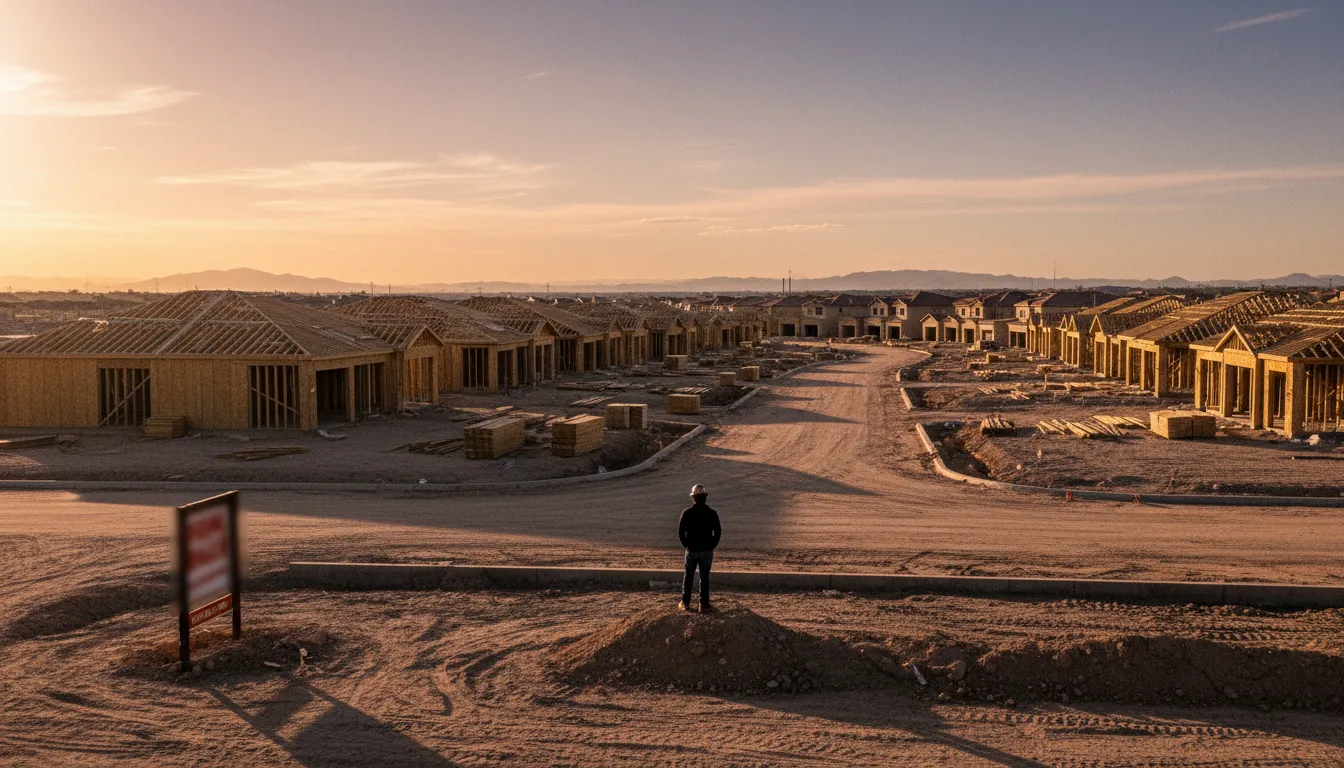
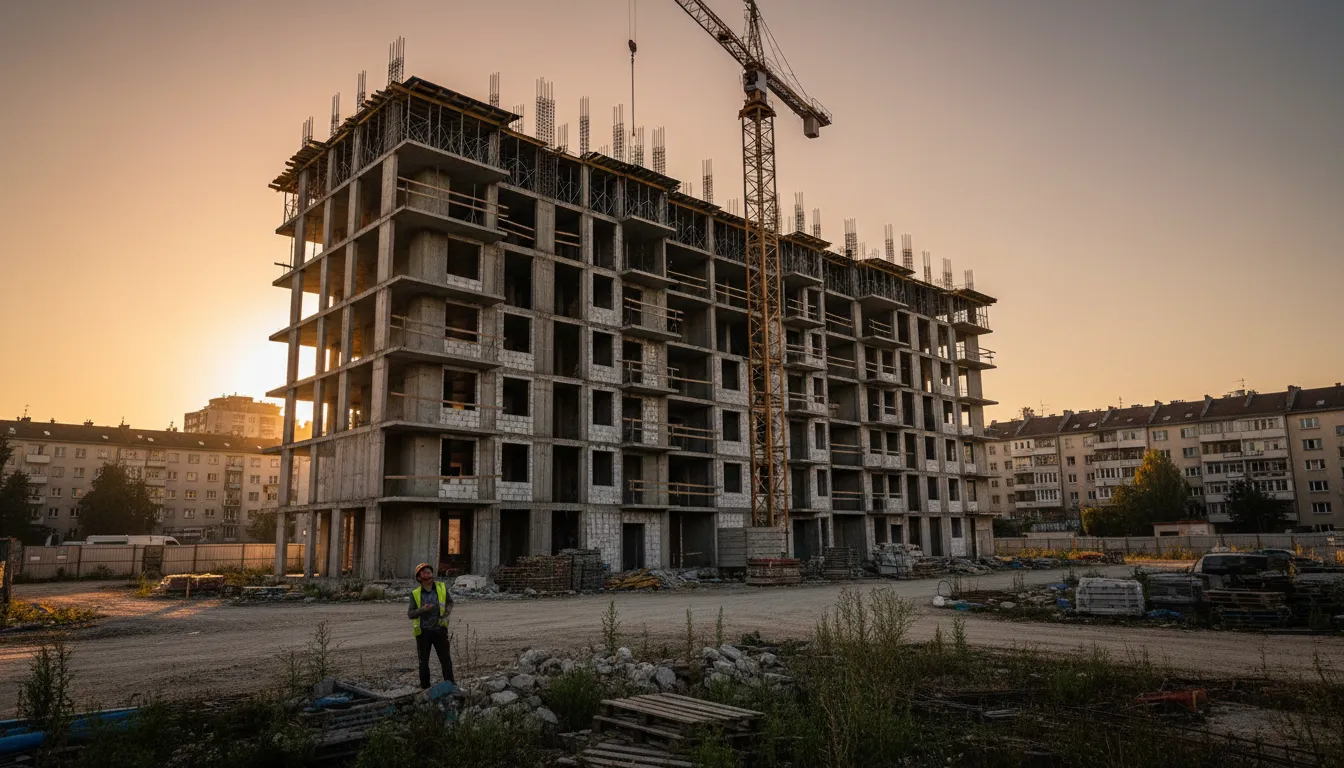
Despite a slight easing of interest rates, Europe's residential construction pipeline remains deeply depressed. ING's Construction Outlook 2026 notes that residential building activity hit a ten-year low in 2025, with sector-wide production volumes declining in 2024 and stagnating last year. A modest recovery of roughly 1.5% is now projected for 2026 — but analysts caution it is too little, too late.
The barriers are well-documented: elevated construction costs, a chronic shortage of skilled tradespeople, and complex planning and permitting regimes that delay projects by years. The European Investment Bank estimated that the EU needed 2.25 million additional housing units in 2025 — approximately 50% more than were actually being built. That gap has not closed.
"For many Europeans, rents are rising faster than salaries — and the pipeline of new homes is nowhere near sufficient to correct the imbalance." — Housing Europe, State of Housing in Europe 2025
Investors Pivot to Operational Real Estate
With development risk elevated and stabilised assets in short supply, institutional capital is rotating toward operational residential formats. CBRE identifies build-to-rent (BTR), co-living, and purpose-built student accommodation (PBSA) as the segments offering the strongest risk-adjusted returns in 2026.
BTR investment is expected to remain robust, with single-family schemes accounting for a significant share of deal volume and government housing programmes creating new partnership opportunities. In the student housing sub-sector, structural undersupply continues to underpin high occupancy and sustained rent growth across the UK, Germany, France, and Spain. Rising international student flows from Asia, Africa, and Latin America are intensifying demand further, reinforcing the investment case for scalable PBSA platforms.
A Deepening Affordability Crisis
The human cost of these dynamics is measurable. The European Parliament notes that rental prices across the EU rose by an average of 27.8% between 2010 and early 2025. In Spanish cities such as Palma and Málaga, tenants now spend upwards of 40–45% of net income on rent — well above the 30% threshold widely regarded as affordable.
Analysts warn that without coordinated public investment in social and affordable housing, the crisis will deepen further, threatening labour mobility across the EU's single market. Workers priced out of major city centres face longer commutes, reduced productivity, and ultimately, disincentives to relocate for employment — eroding one of the bloc's core economic advantages.
What Comes Next
The European Commission has signalled housing affordability as a priority, and several member states — including Spain and the Netherlands — are exploring expanded public housing stocks, rent control zones, and cooperative housing models. Whether political will translates into sufficient units on the ground before the crisis worsens remains, for now, the central question facing Europe's cities in 2026.