Science
How Gray Whale Migration Works—the Longest on Earth
Gray whales travel up to 14,000 miles each year between Arctic feeding grounds and Mexican breeding lagoons, navigating by Earth's magnetic field and...
We can't find the internet
Attempting to reconnect
Something went wrong!
Hang in there while we get back on track
87 articles with this tag
Science
Gray whales travel up to 14,000 miles each year between Arctic feeding grounds and Mexican breeding lagoons, navigating by Earth's magnetic field and...
Science
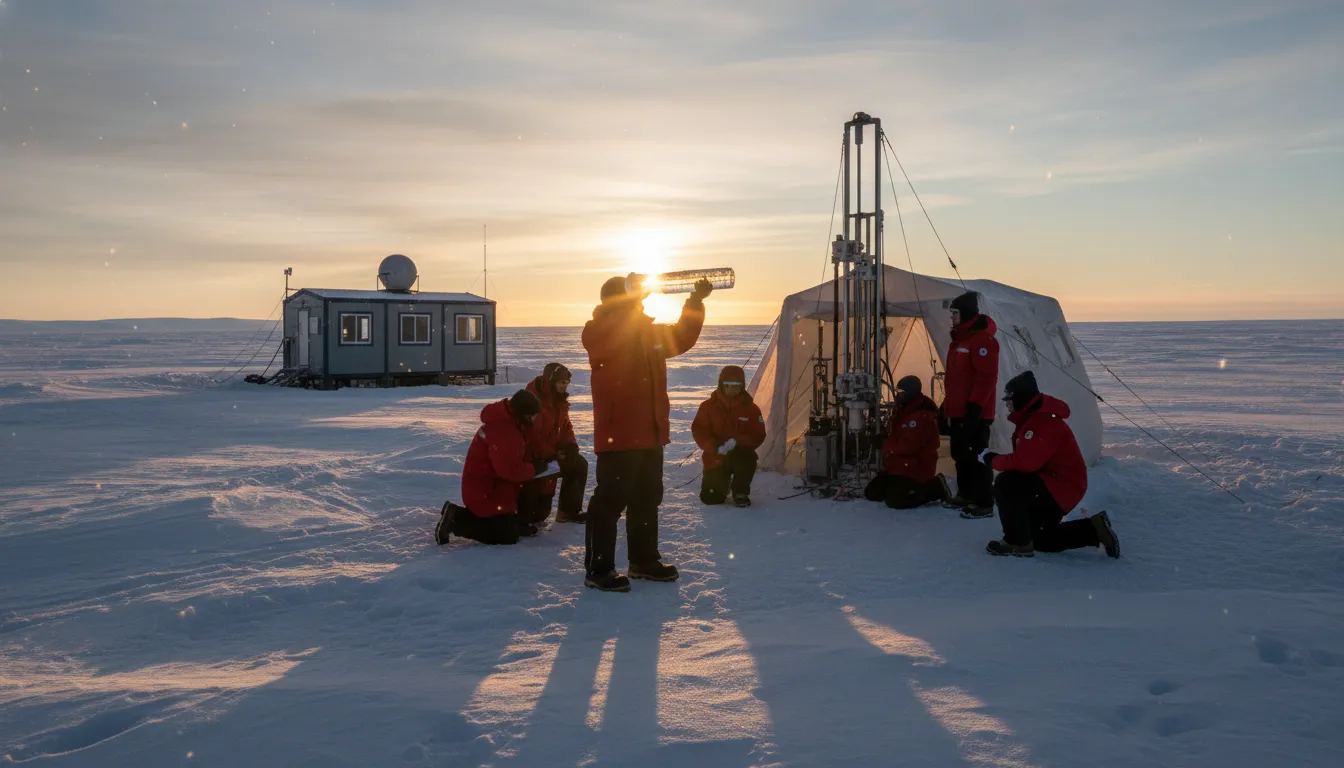
Ice cores drilled from glaciers and ice sheets preserve up to 1.2 million years of climate history in layers of frozen snow, trapped gas bubbles, and...
Science
Most emerging infectious diseases originate in animals. Here's how pathogens jump the species barrier, why certain animals are prime reservoirs, and w...
Science
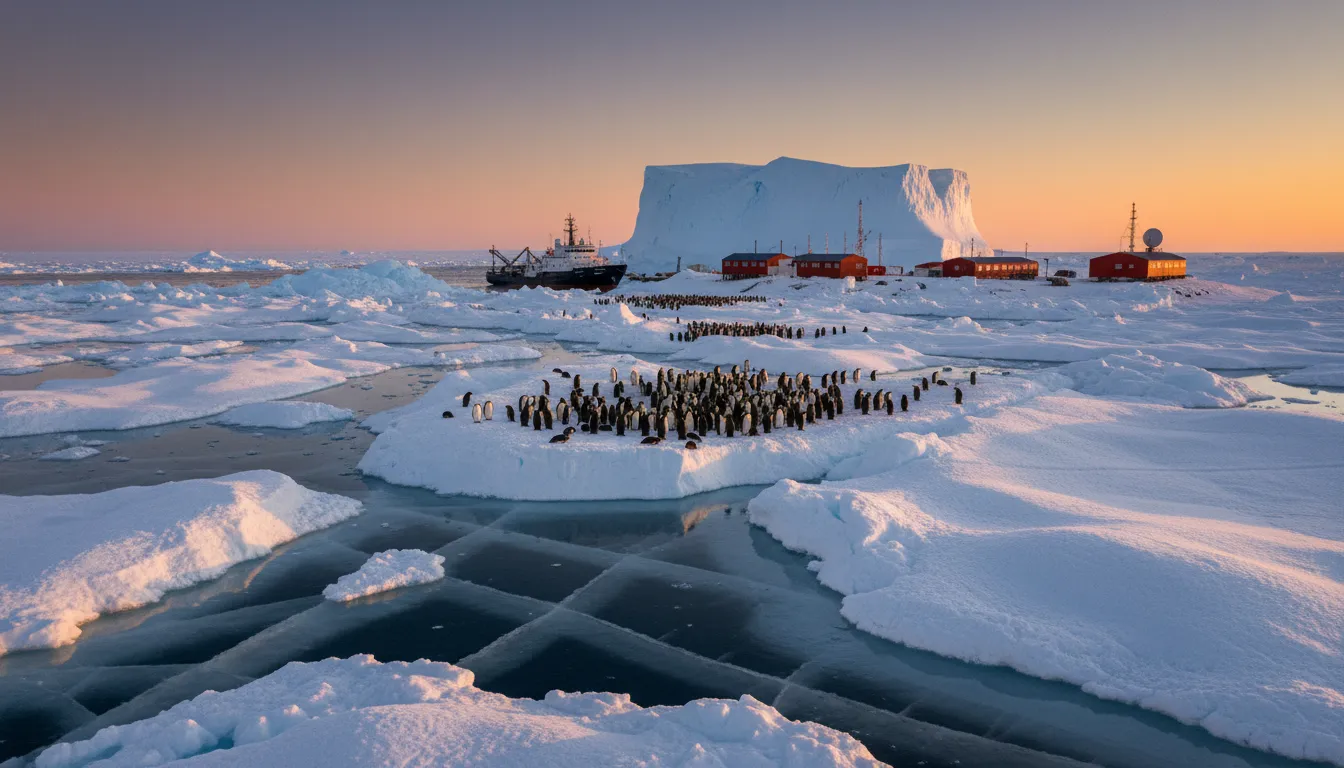
Emperor penguins endure the harshest conditions on Earth through an extraordinary breeding cycle that depends entirely on stable sea ice—a foundation...
Science
Sungrazing comets plunge within thousands of kilometers of the Sun's surface, enduring extreme heat and tidal forces. Most disintegrate, but their des...
Science
Artificial light at night creates skyglow, disrupts wildlife, suppresses melatonin, and has brightened Earth's nights by 16% since 2014. Here's how it...
Science
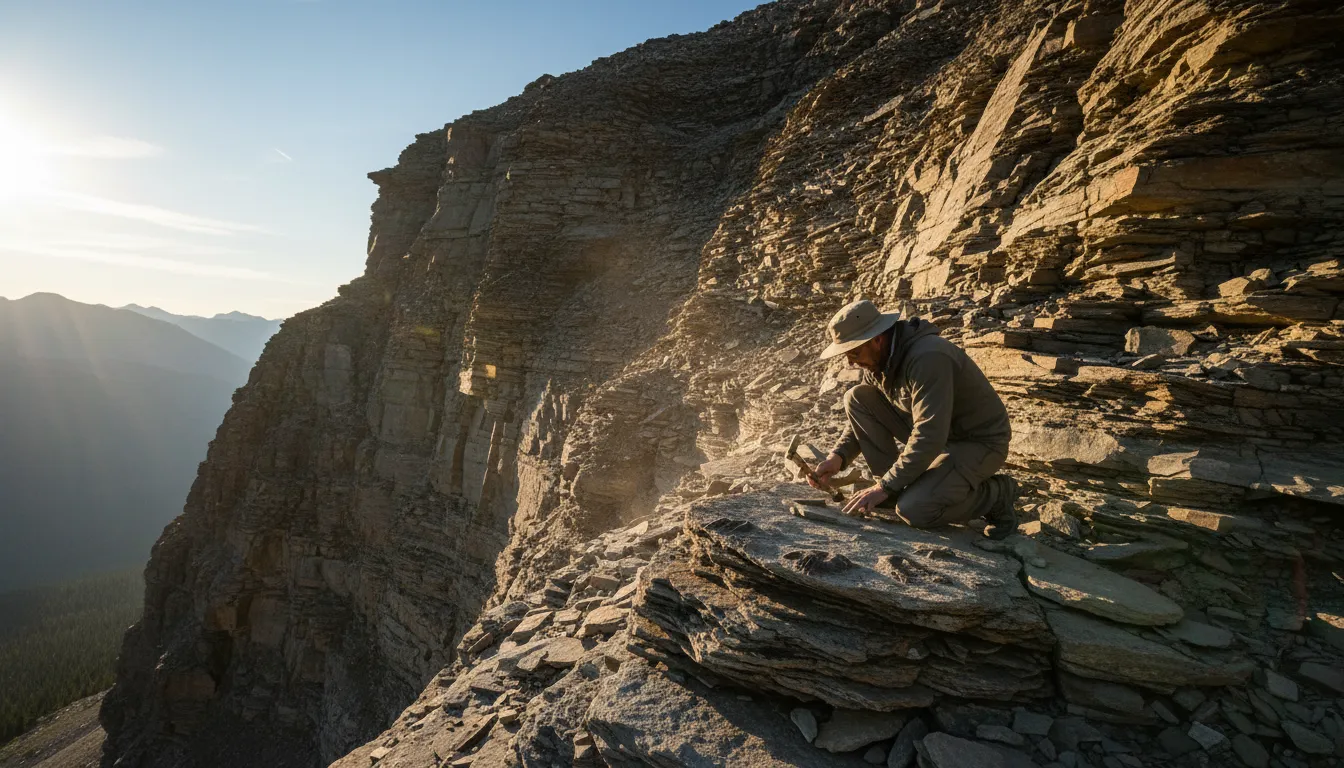
Around 538 million years ago, nearly every major animal group appeared in the fossil record within a geological instant. Here is how the Cambrian Expl...
Science
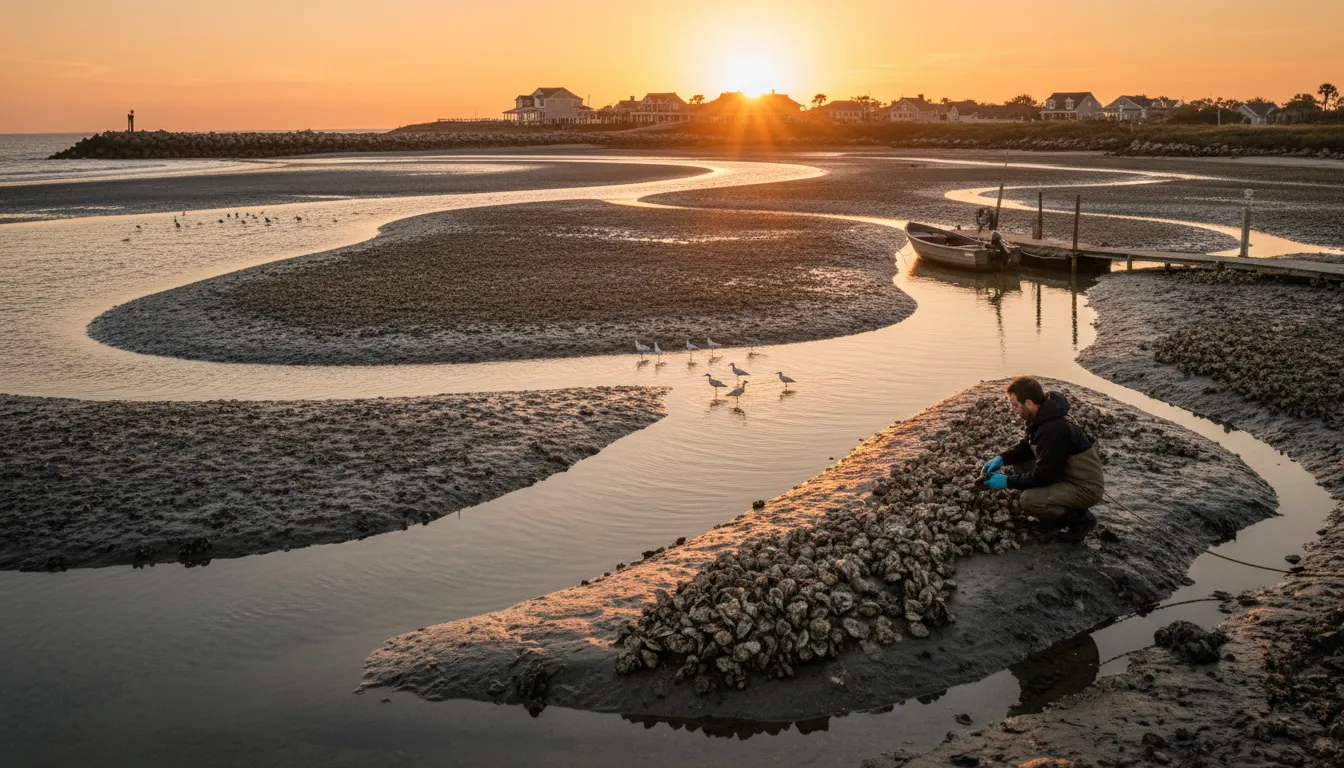
Oyster reefs are among the most valuable yet imperiled marine ecosystems on Earth. This explainer covers how oysters build living reefs, why these str...
Science
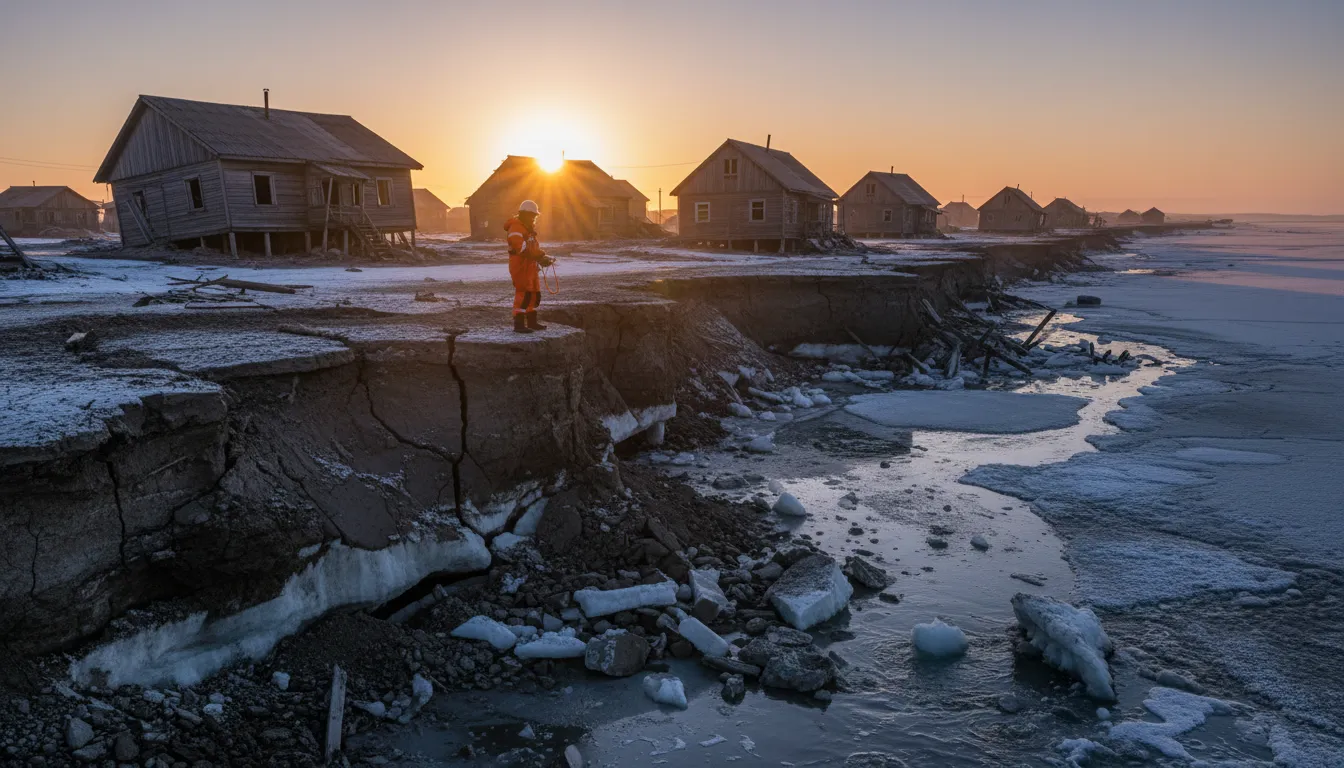
Permafrost stores twice as much carbon as the atmosphere. As the Arctic warms, this frozen ground is thawing—unleashing greenhouse gases, destabilizin...
Science
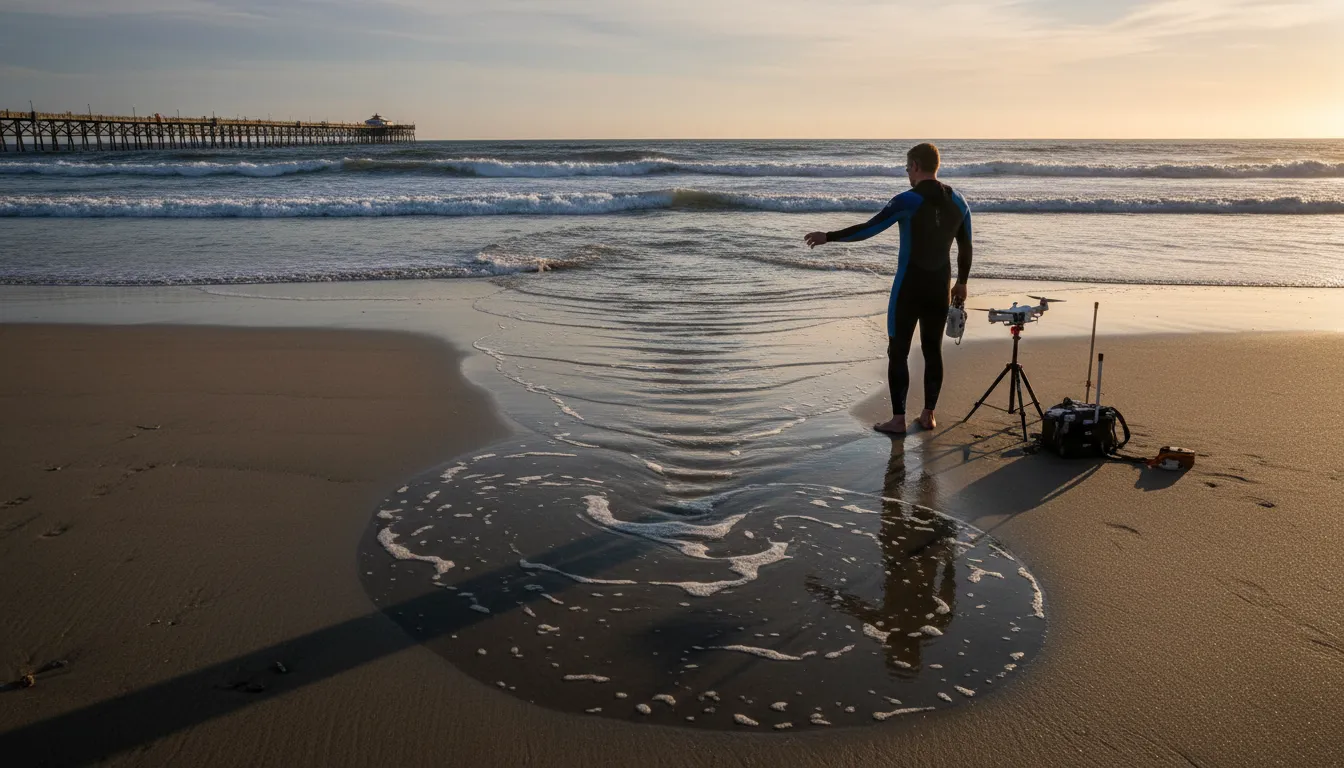
Rip currents kill more beachgoers than sharks, hurricanes, and tornadoes combined. Here is how these invisible rivers form, why they catch swimmers of...
Science
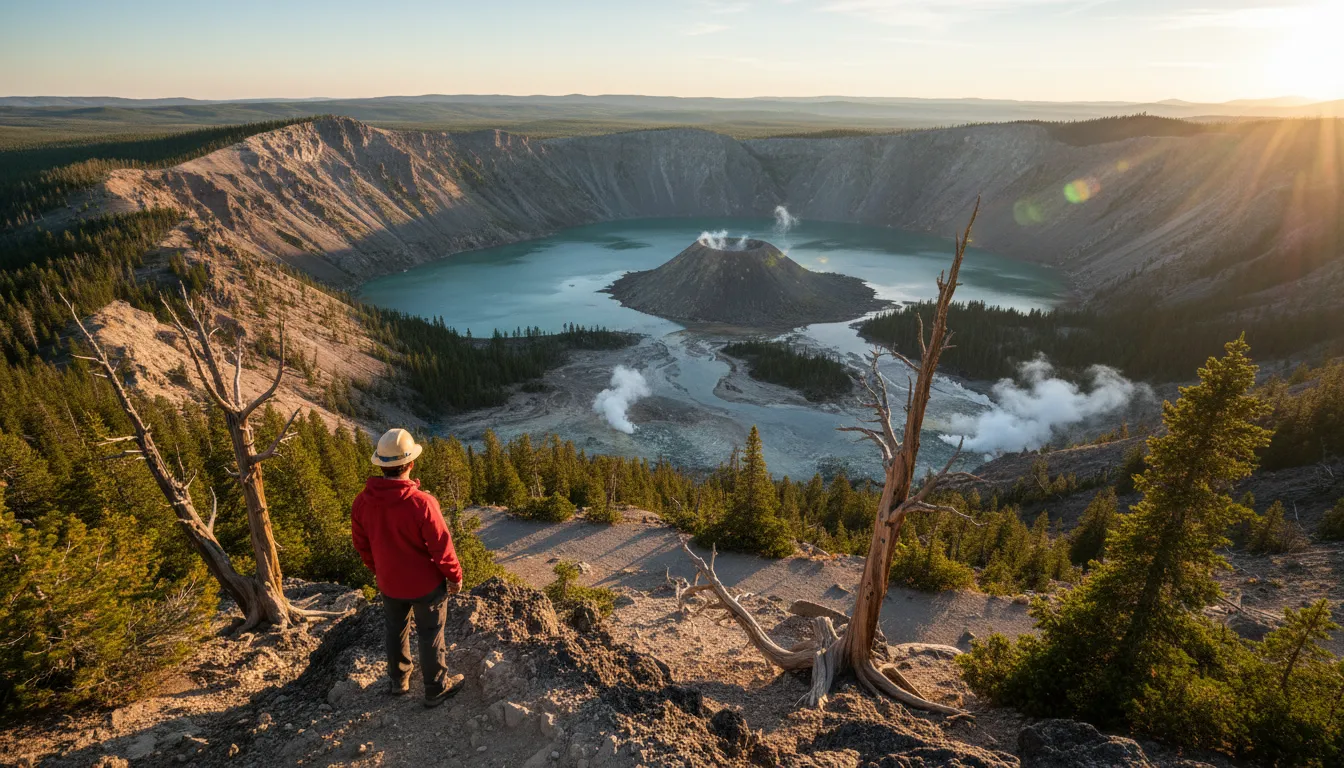
Supervolcano calderas are massive craters formed when colossal eruptions drain underground magma chambers, causing the surface to collapse. Scientists...
Science
Dr. Anna Jażdżewska from the University of Łódź led an international team that described 24 new species of deep-sea crustaceans in the Clarion-Clipper...
Enable notifications and we'll let you know when something new is published.