Europe must rearm, warn army chiefs
The chiefs of the German and British armed forces have issued a joint statement calling on Europe to massively increase defence spending. Slovakia is facing pressure to increase spending to 5% of GDP by 2035.
An unprecedented call from two superpowers
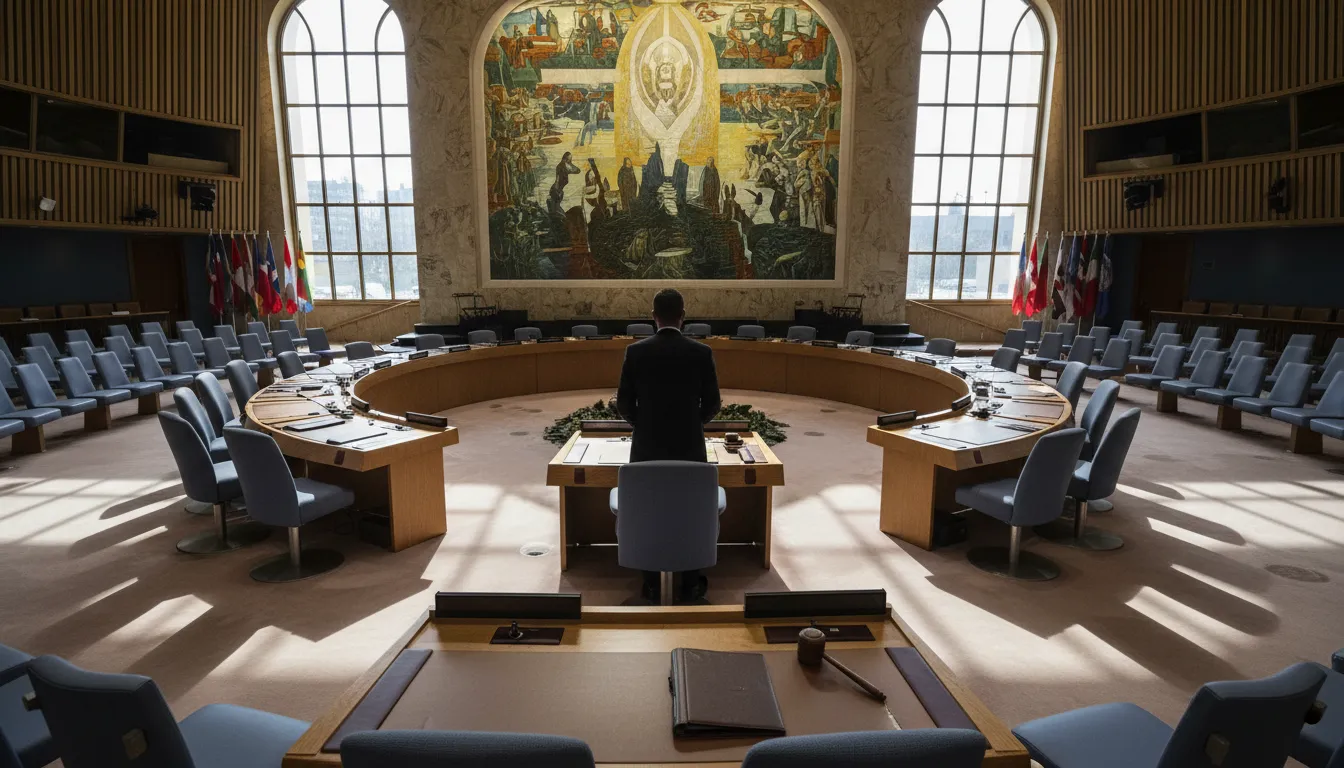
The top representatives of the armed forces of Germany and the United Kingdom took an unusual step last week. General Carsten Breuer and Air Marshal Sir Richard Knighton published a joint article in the British daily The Guardian and the German Die Welt, calling on European nations to immediately and significantly increase defence spending.
"Moscow's military build-up, combined with its willingness to wage war on our continent, presents an increased risk that requires our collective attention," the two commanders wrote. They emphasised that rearmament is not militarism, but a responsible course of action by states determined to protect their citizens and preserve peace.
Concrete steps: ammunition factories and troop movements
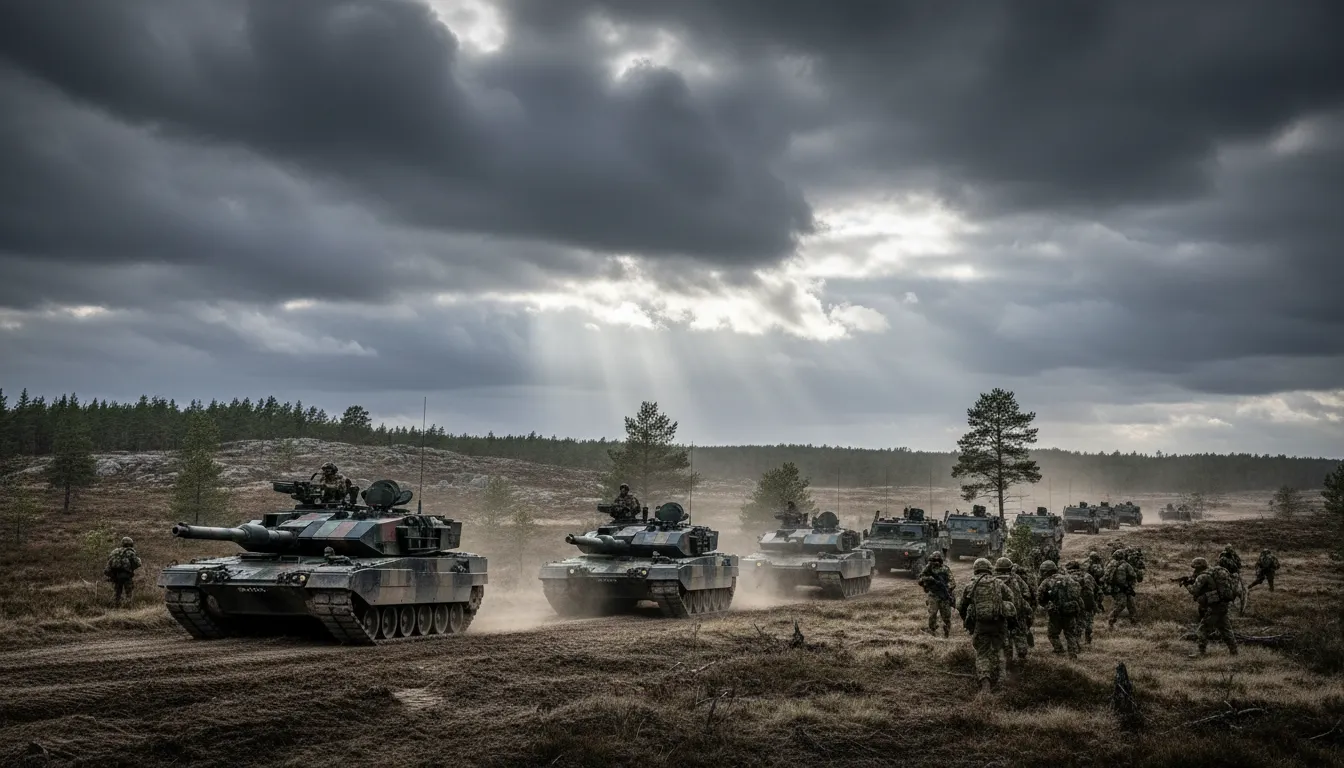
The statement is not just a rhetorical gesture. Britain is already building six new munitions factories and this year will send a strike group around the aircraft carrier HMS Prince of Wales to the North Atlantic and Arctic to protect undersea infrastructure. Germany is moving military units closer to its eastern border.
At the NATO summit in The Hague in June 2025, member states committed to increasing defence spending to 5% of GDP by 2035, with at least 3.5% to be allocated directly to defence according to Alliance methodology. This is a dramatic increase from the original 2% target, which many countries had failed to meet for years.
ReArm Europe plan: €800 billion
In parallel with NATO's pressure, the European Union is also strengthening its defence capabilities. The Readiness 2030 initiative, better known by its original name ReArm Europe, aims to mobilise €800 billion by the end of the decade. The plan, presented by European Commission President Ursula von der Leyen in March 2025, is based on two pillars.
The first is the relaxation of EU budget rules, which will allow Member States to allocate an additional €650 billion to defence. The second is the €150 billion SAFE joint lending facility for the joint procurement of air and missile defence and other military equipment. The Council of the EU and the European Parliament have already approved the agreement as official EU policy.
Slovakia: 2% is not enough, 5% is a long way off
Slovakia is one of the NATO countries that complies with the 2% commitment — its defence budget for 2026 amounts to approximately €2.88 billion, which corresponds to 2% of GDP. Modernisation projects include the purchase of Israeli Barak MX air defence systems, Patria AMV XP armoured vehicles and CV90 tracked combat vehicles.
However, the path to the 5% target is politically controversial. Prime Minister Robert Fico has repeatedly emphasised that Slovakia will not support an increase in spending on weapons systems above the 2025 level and reserves the right to decide on the pace and structure of the budget increase. Defence Minister Robert Kaliňák has taken a more pragmatic stance, accepting the increase but pushing for investment in infrastructure and dual-use projects.
President Peter Pellegrini, on the other hand, emphasised that the increase in spending is a sign of commitment to allies and a response to current threats, including the conflict in Ukraine.
Europe at a crossroads
The joint statement by the German and British chiefs of defence is a signal that the military leadership of Europe's largest countries considers the current situation to be critical. For Slovakia, this means growing pressure not only from NATO, but also from key European partners. The question of how much society is willing to invest in its own security is becoming one of the defining political issues of the coming years.