Europe's Housing Crisis: Middle Class Priced Out
A chronic shortage of affordable homes is shutting middle-income households out of ownership markets across Europe's major cities, as underbuilding, soaring construction costs, and regulatory barriers push rents to record highs — and institutional capital flows away from affordable housing toward premium assets.

A Supply Gap That Won't Close
Europe is facing a deepening housing affordability crisis that is increasingly shutting middle-income households out of property ownership — and stretching rental markets to their limits. A convergence of chronic underbuilding, elevated construction costs, and regulatory bottlenecks has created what analysts describe as a structural failure that neither easing interest rates nor cautious investment optimism can quickly resolve.
The numbers are stark. The European Investment Bank estimates the EU needed 2.25 million additional housing units in 2025 — roughly 50% more than were actually built. According to the European Parliament, Europe is short of approximately 10 million homes, with rents surging more than 30% since 2010 and outpacing income growth across the continent. Between 2010 and early 2025, rental prices rose 27.8% on average, while real household incomes increased by only around 20%.
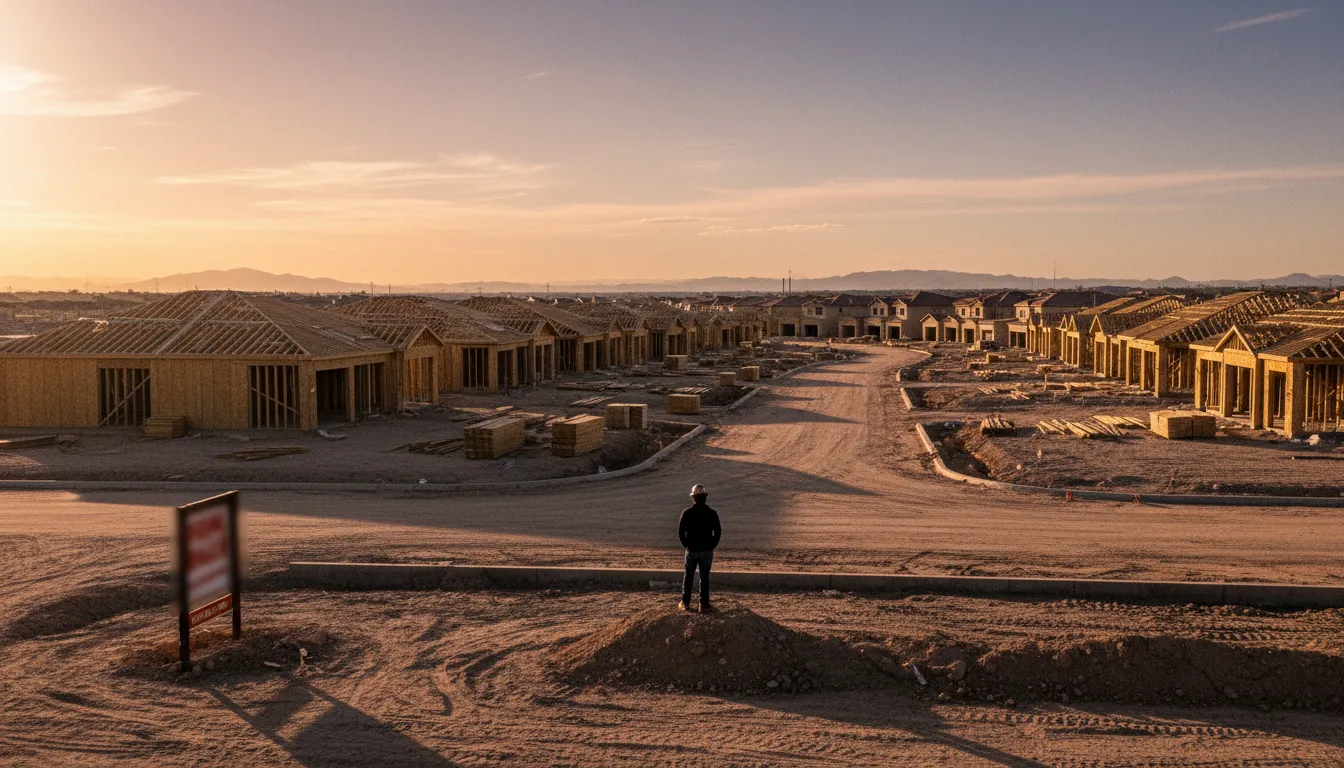
New construction has failed to close the gap. Building permits for new EU dwellings fell from nearly 2 million in 2021 to just 1.5 million in 2024, as high interest rates, spiking materials costs, and complex permitting processes deterred developers. Germany — one of Europe's largest housing markets — saw permits for single-family homes fall 20.3% and apartment buildings drop 19.7% in 2024 alone, according to ING's Construction Outlook 2026.
Middle Class Squeezed Out
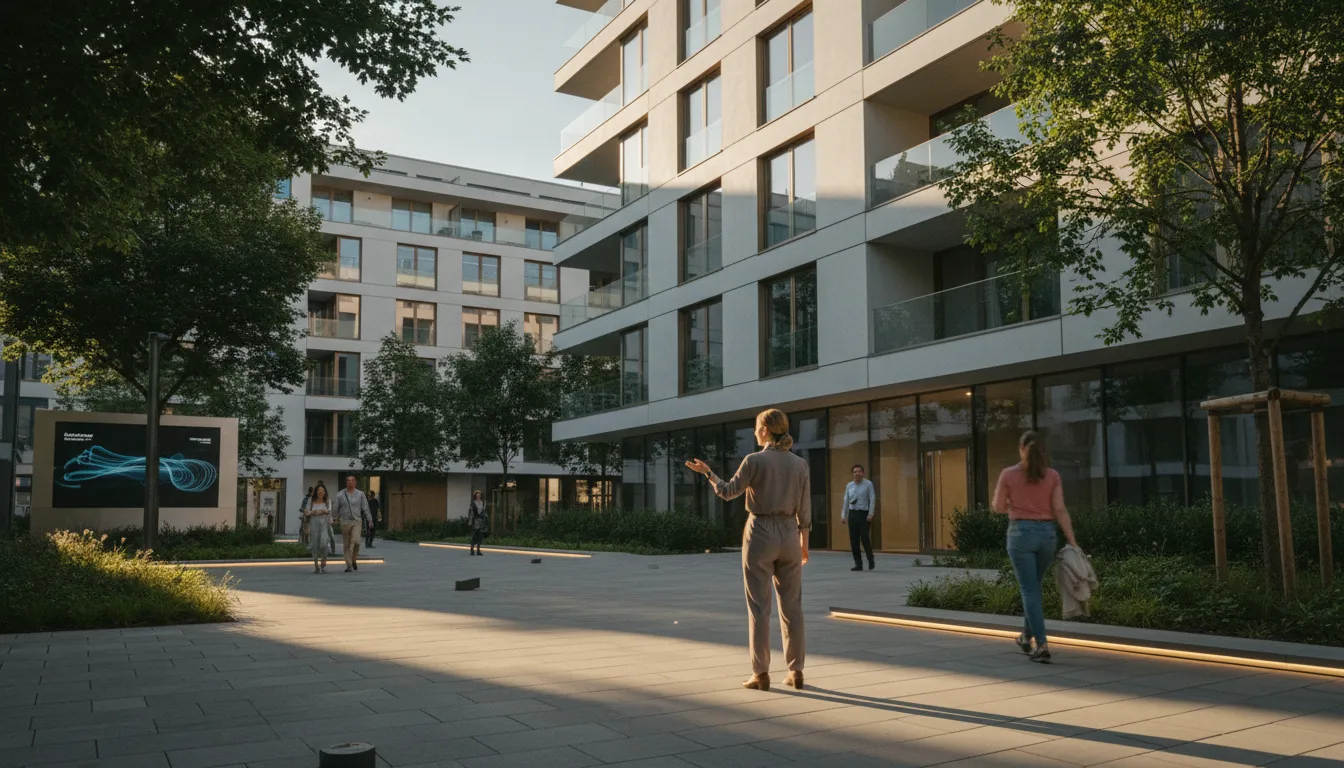
In key European capitals — Berlin, Paris, Amsterdam, Prague, Warsaw — middle-income households can no longer afford to buy property and are being pushed into an already over-stretched rental market. The PwC/ULI Emerging Trends in Real Estate Europe 2026 report, which surveyed senior industry leaders across the continent, flags residential real estate as a critical pressure point, with affordable housing appearing among the top ten property sectors of interest — a reflection of just how acute the supply deficit has become.
PGIM Real Estate's 2026 European outlook similarly warns that housing demand continues to outpace supply, constrained by low permitting rates and high construction costs, with rents forecast to rise steadily across Europe in 2026, led by Spain and the Netherlands. EU households already spend an average of 19% of disposable income on housing — rising to 36% in Greece and 25% in Germany and Sweden.
Investment Flows to Premium, Not Affordable
Institutional investors have largely gravitated toward premium urban locations and logistics assets — sectors offering more predictable returns. Affordable housing, by contrast, remains chronically underfunded, partly because regulatory constraints and rent controls reduce yield predictability. PwC's survey found that while there is renewed interest in residential sectors including student housing and co-living, the volume of capital flowing toward genuinely affordable housing remains far below what is needed.
The overall market sentiment in the PwC/ULI report has shifted from cautious optimism to outright pragmatism: most respondents expect debt and equity availability to increase in 2026, but geopolitical tensions and economic uncertainty continue to dampen any bold commitment to the affordable end of the market.
Political Pressure Mounts
In December 2025, the European Commission published its Affordable Housing Plan, aiming to add 650,000 extra homes annually on top of the current 1.6 million built per year. The European Parliament's special housing committee adopted a wide-ranging report in March 2026, backed by 367 votes to 166, calling for permit applications to be processed within 60 days and for unused Recovery and Resilience Plan funds to be redirected toward affordable housing construction.
"A generation that cannot afford a home cannot build a future," warned rapporteur Borja Giménez Larraz, capturing the political urgency that now surrounds the issue.
The Road Ahead
After contracting 1.5% in 2024 and stagnating in 2025, Europe's construction sector is projected to grow just 1.5% in 2026 — a modest recovery, but far short of what is needed to address a deficit a decade in the making. Without sustained political coordination, targeted subsidies, and serious deregulation of planning systems, analysts warn the housing crisis will continue to deepen, eroding the social fabric of Europe's major cities and entrenching inequality for a generation.