Europe's Property Market Rebounds as Investors Return
European real estate is entering a new investment cycle in spring 2026, with rental prices growing 3–5% annually, investor volumes rising, and living sectors like coliving and senior housing leading demand — though geopolitical risks temper the optimism.

A New Cycle Begins
After two years of cautious retrenchment, Europe's real estate market is shifting gears. Falling inflation, a stabilizing interest rate environment, and narrowing bid-ask spreads are drawing institutional capital back to the continent's property sector in early 2026. The question is no longer whether a recovery is underway — it is how durable that recovery will prove.
According to Savills, European real estate investment volumes are expected to reach approximately €52 billion in Q1 2026 alone, a 6% year-on-year increase. For the full year, the firm forecasts a 16% jump in investment activity, with total transaction volumes approaching €275 billion — still below the 2016–2022 average of €315 billion, but a clear directional shift.
Rents Rising Across the Continent
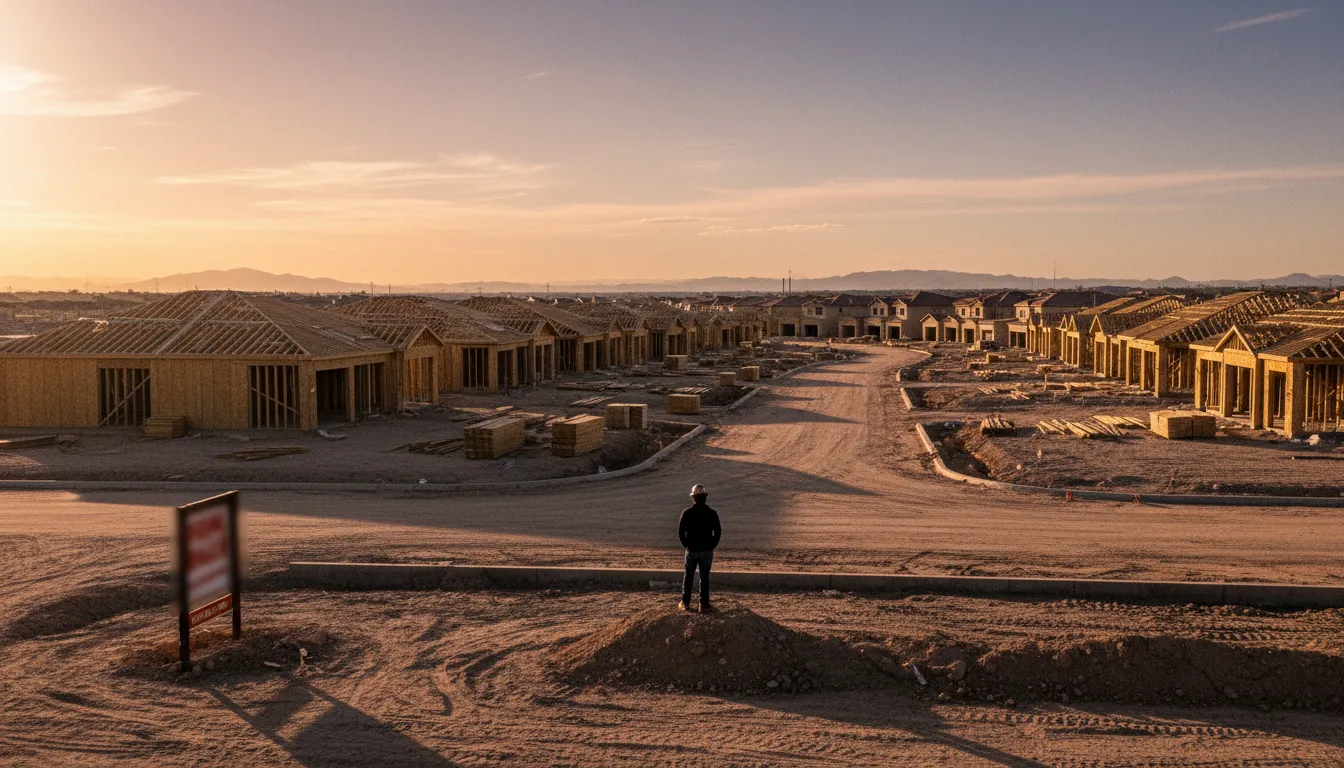
Rental markets are the most immediate beneficiary of the recovery. Supply constraints built up during years of suppressed construction are now feeding directly into price growth. Across Europe, residential rents are rising at 3–4% annually, with significant variation by market.
Spain leads the pack: analysts forecast rental price growth of 5.3% in 2026, building on a 30% cumulative increase since 2019. CaixaBank Research notes the country's housing market has entered a new expansionary phase, driven by strong employment and persistent undersupply in major urban centres. Germany, by contrast, is recovering more moderately: rents in the country's seven major cities grew around 3.5% in 2024 and are forecast at approximately 3.1% for 2026, as mortgage affordability slowly improves with rates declining toward 3%.
Living Sectors Take Centre Stage
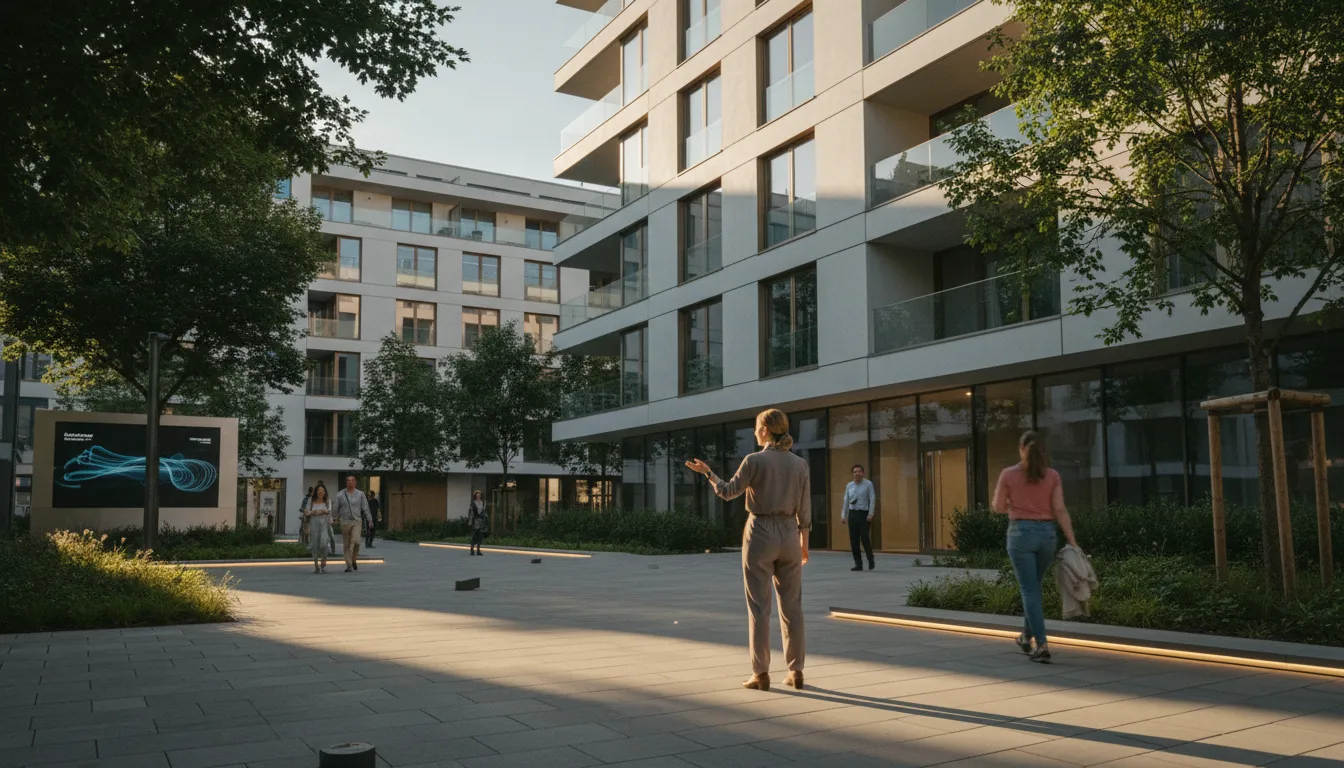
Investor appetite is concentrating in the so-called "living sectors" — a broad category encompassing build-to-rent apartments, coliving, student accommodation and senior housing. According to PwC's Emerging Trends in Real Estate 2026, residential was the largest property sector in 2025 and is expected to retain that position this year.
Senior housing is attracting particular attention. The oldest baby boomers turn 80 in 2026, pushing demand for purpose-built senior facilities to record levels while inventory growth remains near its lowest point since 2006. Coliving projects are also gaining traction in the UK and France as developers pivot toward operational residential assets that offer income durability and pricing power, notes ING Think.
Monetary Policy: A Tailwind — With Caveats
The European Central Bank held its deposit rate steady at its first 2026 meeting, signalling that inflation is on track for the 2% medium-term target. The ECB's own projections foresee headline inflation averaging 1.6% in 2026 — a marked deceleration that gives property buyers and developers a clearer cost environment than they have had in three years.
Investor sentiment reflects this shift. The Euro Sentix Investor Index moved back into positive territory in February 2026, rising to 4.2 from -1.8 in January, according to Savills' latest Investment Nowcast. Family offices, high-net-worth individuals and private equity funds are re-entering the market, joining returning institutional buyers.
Geopolitical Clouds on the Horizon
Despite the optimism, the recovery remains fragile. Cushman & Wakefield warns that fiscal and geopolitical worries — including trade tensions and energy market volatility — could weigh on sentiment and slow the pace of transactions. Regulatory complexity adds another layer: rent controls in Spain and France, combined with high construction costs in the UK and Portugal, complicate deal-making in some of Europe's most liquid markets.
The consensus among analysts is cautious confidence. Europe's real estate market is no longer in retreat — but the road from recovery to a full-blown new cycle depends heavily on factors well beyond the property sector itself.