Global Real Estate Surges: Offices Recover, Funds Bet Big
Global real estate is surging across multiple sectors in 2026: office leasing has hit its highest point since the pandemic, cross-border investment rose 25% in 2025, and the living sector is set to breach $250 billion for the first time as pension funds worldwide restructure their property portfolios.

Office Space Roars Back
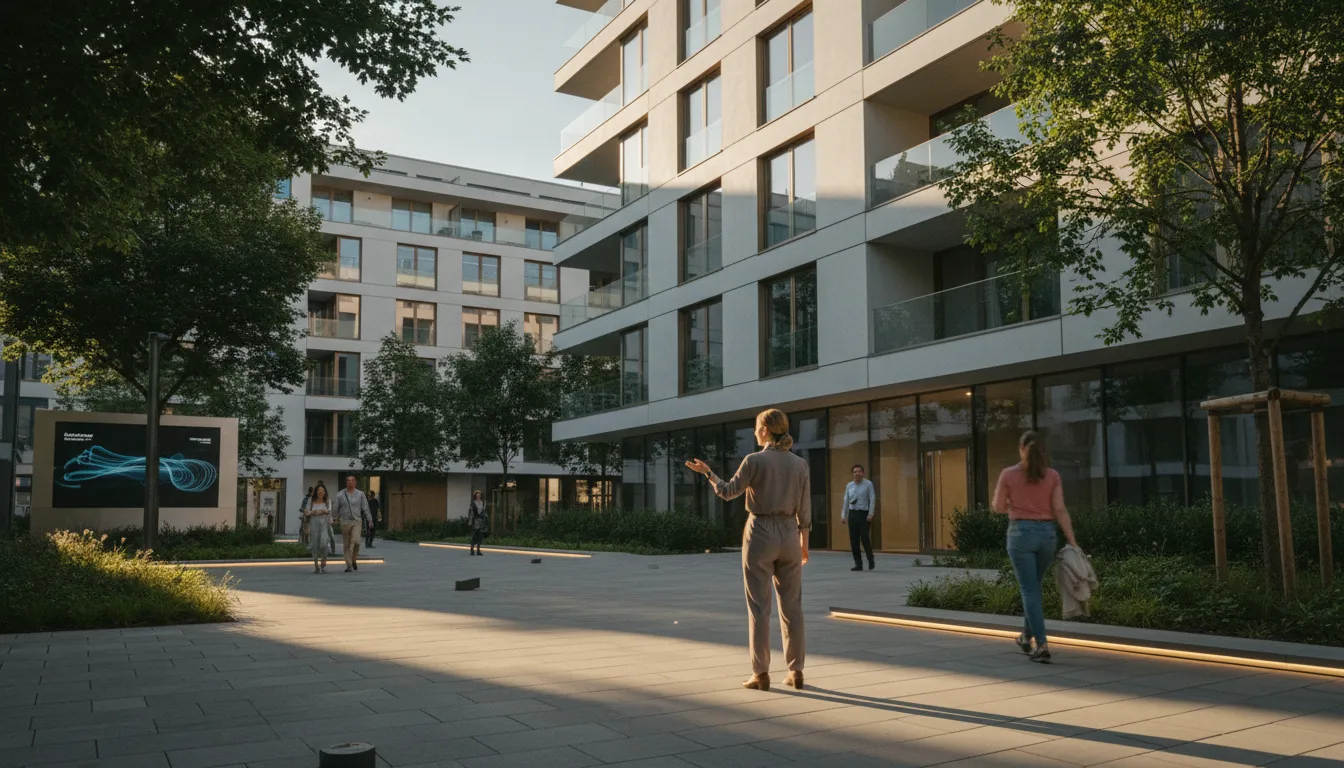
Global office leasing finished 2025 at its strongest since before the pandemic, with full-year volumes rising 5% to the highest mark since 2019, according to JLL's Global Real Estate Perspective published in February 2026. Gateway markets in North America led the charge, driven by technology and financial firms absorbing space after years of cautious footprint management. In the United States, new office completions are set to fall by 75% in 2026 — and three-quarters of the remaining pipeline is already pre-leased, a supply squeeze that analysts say will tighten conditions further and support rent growth throughout the year.
Capital Flows Accelerate
The investment picture is equally striking. Cross-border commercial real estate transactions closed 2025 up 25% year-over-year, with momentum building through the fourth quarter as debt markets grew more liquid and Treasury volatility in the United States declined. JLL analysts expect the competitive bidding environment to intensify through 2026 as the investment cycle gains momentum and pension capital continues to re-enter the sector.
CBRE's 2026 outlook points to falling policy rates in several major economies, contained inflation, and increased fiscal spending as tailwinds that should sustain deal flow. "The macro environment for real estate has rarely been more constructive," the firm noted, forecasting accelerating transaction volumes through the year.
The $250 Billion Living Bet
Perhaps the most structurally significant shift is playing out in the so-called living sector — a category encompassing build-to-rent apartments, student accommodation, senior housing, and co-living developments. Global investment in these assets is forecast to cross the $250 billion threshold in 2026 for the first time, reflecting a sweeping reallocation by pension funds and sovereign wealth vehicles seeking stable, long-duration income, according to both JLL and PGIM Real Estate.
Demographic pressure is a key driver. The oldest baby boomers turn 80 in 2026, accelerating demand for senior housing at a moment when new supply is at multi-decade lows. Senior housing occupancy in the United States is expected to hit 90% this year, with analysts projecting a further rise toward 93% by 2028.
Germany Rebounds, Australia Strains
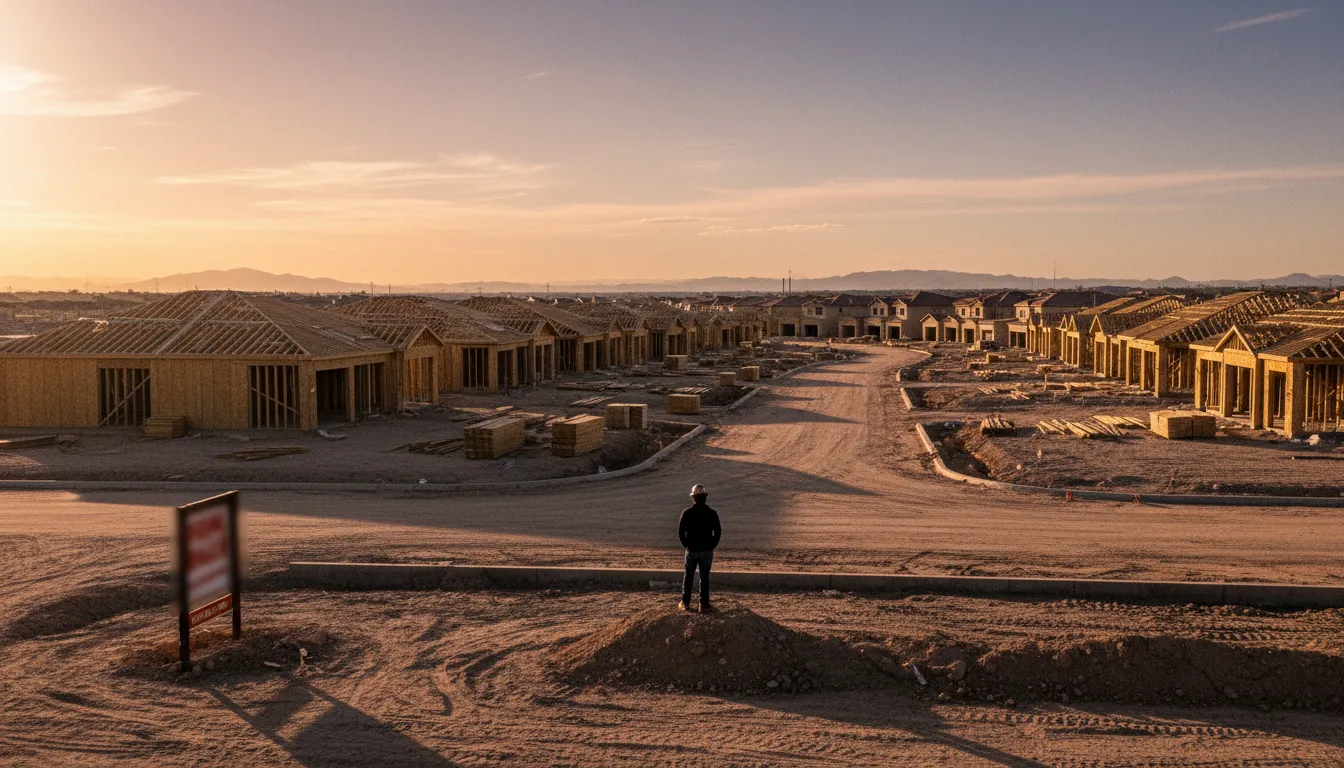
On the residential side, Germany has emerged as a recovery story. After home prices fell roughly 13% between early 2022 and mid-2024, values have turned upward, with 3%–4% annual growth projected for 2026, according to CBRE Germany. The rebound is partly supply-driven: the Ifo Institute forecasts only 185,000 new dwelling completions in 2026 — less than half of Germany's stated annual requirement of 400,000 units. Mortgage lending rose by a third in the first half of 2025, signaling that buyers are returning in force.
Australia faces a more acute version of the same problem. National home prices rose 8.8% in 2025, pushing the median to around A$900,000, and KPMG forecasts a further 7.7% gain in 2026. The country carries a structural housing shortfall estimated at 200,000–300,000 dwellings, and rental vacancy rates remain near record lows. Three rounds of Reserve Bank rate cuts in 2025 and expanded government home-buyer schemes are expected to keep demand elevated well into the year.
A Market in Structural Transition
Taken together, the data paints a picture of a global real estate market that has moved well past its post-pandemic correction. The office sector is healing faster than many expected; cross-border capital is back in force; and the living sector is becoming a mainstream institutional asset class. For investors and policymakers alike, the challenge of 2026 is less about whether the market is recovering — and more about ensuring that the capital flowing in helps produce the homes that a growing, aging world so urgently needs.