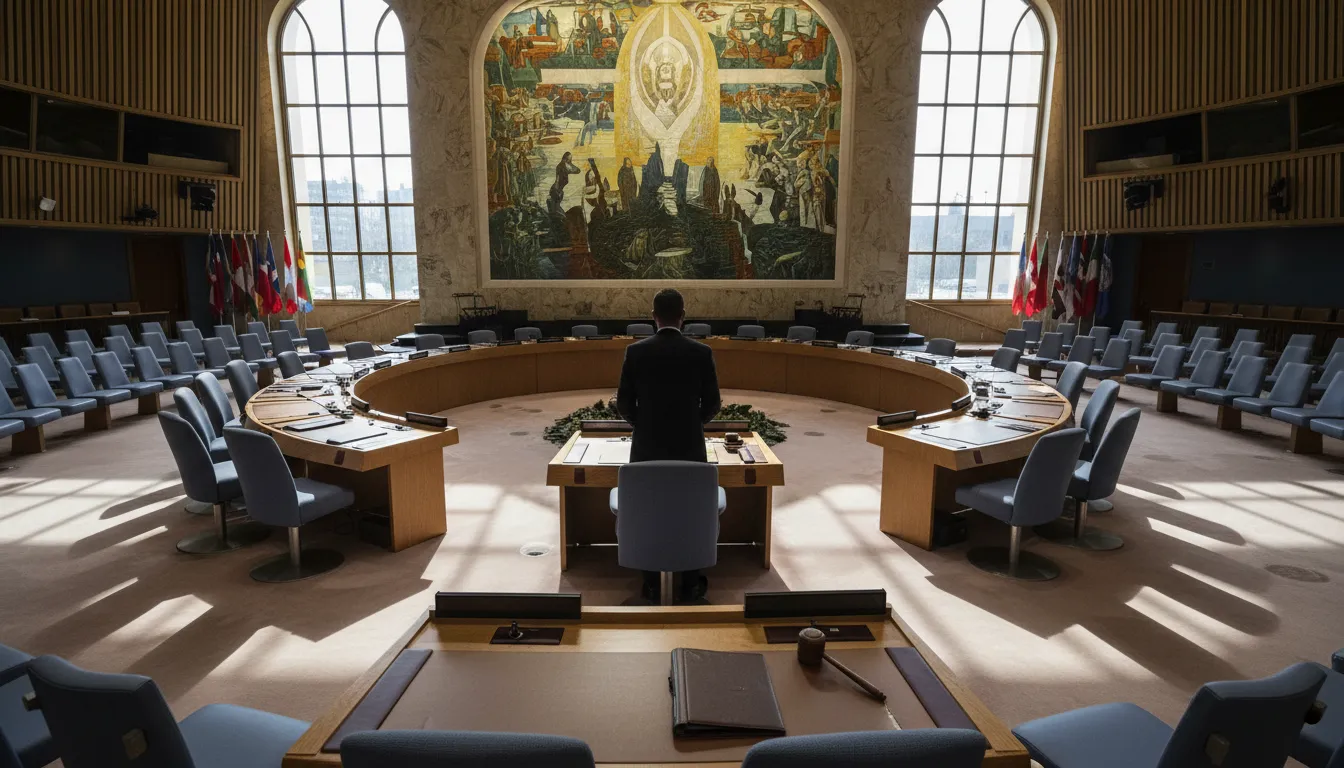
Iran-US Ceasefire Triggers Historic 16% Oil Price Crash
President Trump and Iran agreed to a two-week ceasefire, reopening the Strait of Hormuz and sending oil prices plunging more than 16% — the largest single-day drop since the 1991 Gulf War — while stock markets surged on hopes of de-escalation.

A Dramatic Reversal
Oil markets experienced their most violent single-day swing in over three decades on Tuesday evening after President Donald Trump announced a two-week ceasefire with Iran, abruptly reversing weeks of escalating military confrontation that had sent energy prices to dizzying heights.
U.S. crude oil plunged more than 16% to below $94 per barrel — a stunning collapse from the $117 level it had touched earlier in the session. The global benchmark Brent crude fared similarly, dropping over 16% to trade as low as $90.78 a barrel. The move marked the largest one-day percentage decline in oil prices since the Gulf War in 1991.
Ceasefire Terms and the Hormuz Lifeline
Trump declared a "double-sided ceasefire," contingent on what he described as Iran's agreement to the "COMPLETE, IMMEDIATE, and SAFE OPENING of the Strait of Hormuz." The narrow waterway, which typically carries more than 20% of the world's daily oil supply, had seen marine traffic effectively halted since early March after ships were threatened and struck with drones and projectiles.
Iran's Foreign Affairs Minister Seyed Araghchi confirmed that "safe passage through the Strait of Hormuz will be possible via coordination with Iran's Armed Forces" for the two-week period, though terms regarding tolls and specific shipping protocols remained unclear.
Israel also agreed to abide by the ceasefire. Peace negotiations are expected to begin on Friday, April 10, in Islamabad, with Pakistan serving as mediator after its leadership helped facilitate the agreement by requesting Trump hold back strikes.
Markets Rally on De-Escalation Hopes
The ceasefire sent shockwaves well beyond the oil market. S&P 500 futures surged more than 2.5%, Dow Jones futures spiked by roughly 1,000 points, and Nasdaq 100 futures jumped nearly 3%. The Russell 2000 small-cap index futures rose 2.8%. Precious metals also rallied, with spot gold climbing 2.5% and silver gaining 4.6%.
The U.S. dollar declined broadly, having served as a haven asset during the conflict, while 10-year Treasury futures rose approximately 15 ticks as yields retreated.
Jamie Cox of Harris Financial Group captured the market sentiment: "Markets have been predicting that Trump was looking for an off-ramp in Iran. Today, he got one and took it."
Skepticism Persists
Despite the euphoric market reaction, analysts cautioned that the ceasefire remains fragile. GasBuddy analyst Patrick De Haan warned it likely means "another two weeks of status quo and barely anything getting through the Strait," suggesting upward price pressure on fuel could persist. IG analyst Tony Sycamore called it "a good start" while acknowledging there are "lots of ifs still to work out."
Even with the dramatic drop, crude oil remains up more than 70% since the start of the year, reflecting the enormous toll the conflict has already taken on global energy markets. The de facto closure of the Strait of Hormuz — handling roughly a quarter of the world's seaborne oil trade — has produced what analysts describe as the largest disruption in oil market history.
What Comes Next
The coming days will test whether both sides can translate a temporary pause into substantive negotiations. Iran reportedly presented a "10-point proposal" that Trump called "a workable basis on which to negotiate" — a notable shift after Tehran had earlier refused to discuss any temporary ceasefire. The Islamabad talks will be closely watched not only by energy traders but by a global economy already battered by months of soaring fuel costs and cascading inflation.