Iran War Enters Week 6 as Trump Sets Hormuz Ultimatum
The US-Israeli military campaign against Iran reaches its sixth week with over 2,076 casualties, as President Trump threatens to destroy Iran's infrastructure unless the Strait of Hormuz is reopened by Tuesday.
A Conflict with No End in Sight
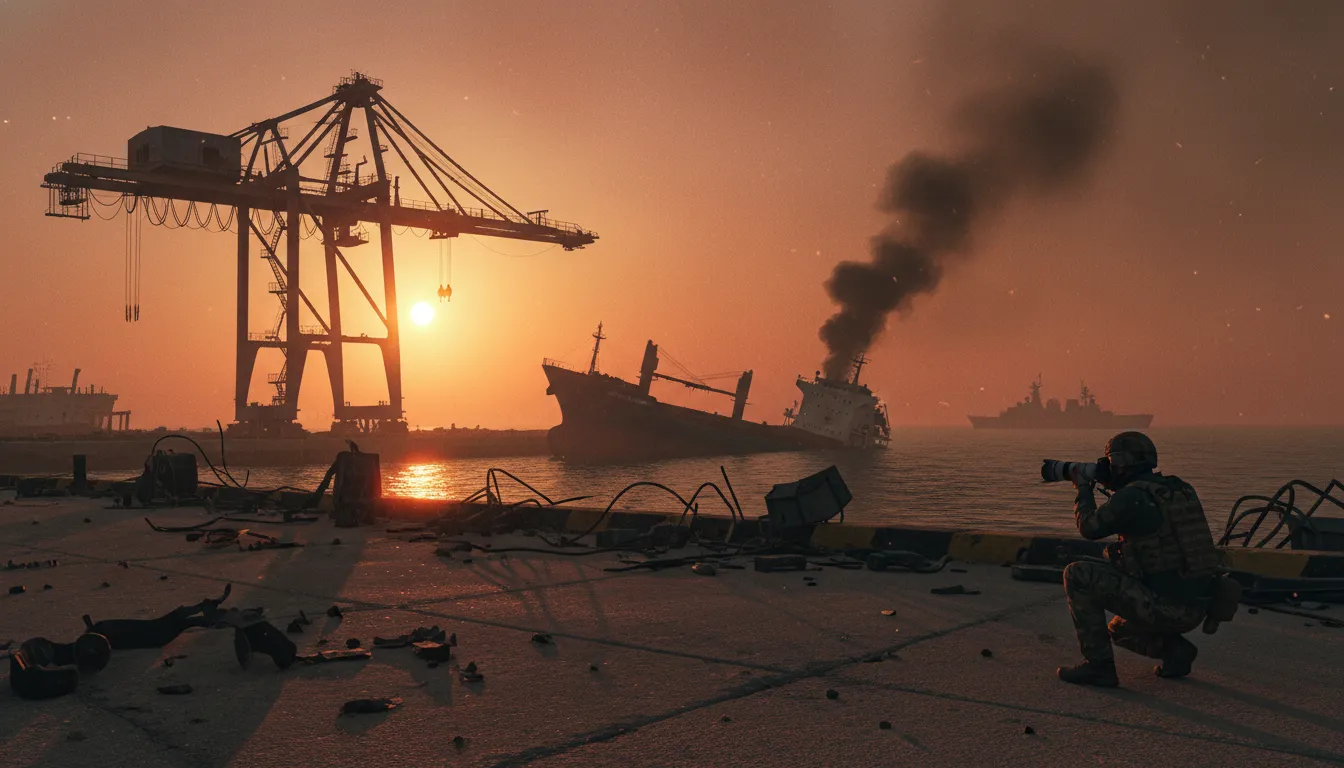
The American-Israeli war against Iran has entered its sixth week with no ceasefire in sight, more than 2,076 Iranians dead, and global energy markets in turmoil. The conflict, which began on February 28 with surprise airstrikes that killed Supreme Leader Ali Khamenei, has now escalated into a full-blown standoff over the Strait of Hormuz — the narrow waterway through which roughly one-fifth of the world's oil supply flows.
On Saturday, President Donald Trump issued a profanity-laden ultimatum to Tehran: reopen the strait by Tuesday evening or face the systematic destruction of Iran's power plants and bridges. "Open the f****** strait, you crazy b******, or you'll be living in hell," Trump posted on Truth Social, later telling the Wall Street Journal that Iran "won't have any power plants and they won't have any bridges standing" if the deadline passes.
Iran Rejects the Deadline
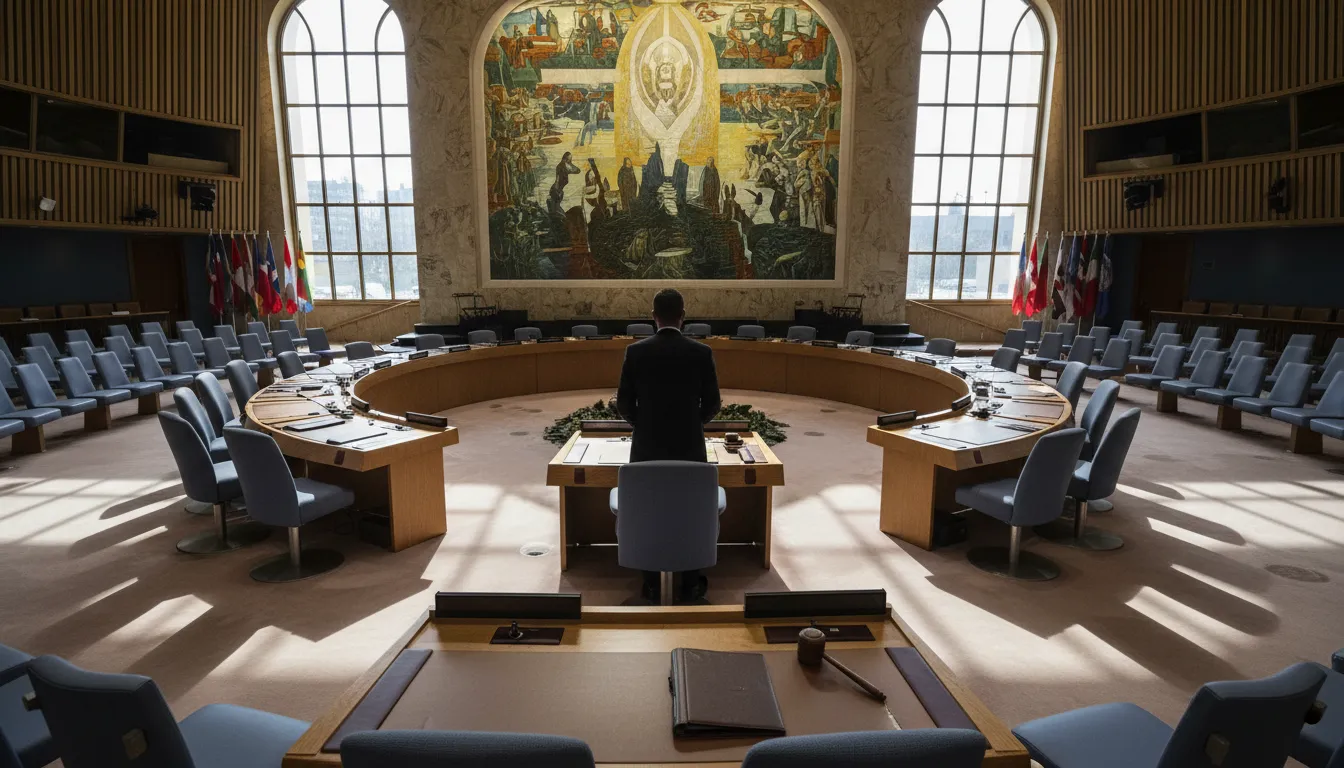
Tehran swiftly dismissed the threat. Iran's central military command called Trump's ultimatum "a helpless, nervous, unbalanced and stupid action." Deputy commander Mehdi Tabatabaei characterized the president's language as "obscenities and nonsense out of sheer desperation." Iran's UN mission went further, accusing Washington of openly threatening to commit war crimes by targeting civilian infrastructure.
Iran has maintained that the strait will only reopen once damages from the war are "fully compensated," suggesting a new legal regime with transit fees — a condition the United States has flatly rejected.
Dramatic Pilot Rescue Deepens Tensions
The ultimatum came on the heels of a dramatic rescue operation deep inside Iranian territory. A U.S. weapons systems officer from a downed F-15E Strike Eagle had ejected over southwestern Iran and spent more than 24 hours hiding in a mountain crevice before Navy SEALs extracted him. The CIA reportedly ran a deception campaign, spreading false reports of the airman's recovery to distract Iranian search teams.
Trump hailed the operation as "an Easter Miracle" and "one of the most daring" rescue missions in U.S. military history, declaring "WE GOT HIM!" on social media. The incident, while a morale boost for Washington, has further inflamed tensions with Tehran.
Oil Markets on Edge
The Hormuz closure — described by analysts as the largest disruption to global energy supply since the 1970s oil crisis — has sent crude prices surging. Brent crude topped $100 per barrel on March 8 for the first time in four years, peaking at $126. As of Sunday, U.S. crude stood above $114 per barrel, with Wall Street analysts warning prices could reach an unprecedented $200 if the blockade continues. Oxford Economics has modeled a scenario in which two months at $140 per barrel would constitute a "breaking point" for the global economy.
A Widening Regional War
The conflict has metastasized well beyond Iran's borders. In Lebanon, an Israeli ground invasion targeting Hezbollah has killed more than 1,400 people. Yemen's Houthi forces joined the war on March 28, launching ballistic missiles toward Israel. Iranian retaliatory strikes have hit U.S. bases across the Gulf — in Bahrain, Jordan, Kuwait, Qatar, Saudi Arabia, and the UAE — killing at least 13 American soldiers and 27 people in Gulf states. Israel has suffered at least 24 fatalities from Iranian missile and drone barrages.
With Trump's Tuesday deadline looming and Iran showing no willingness to comply, the world braces for what could be the conflict's most destructive escalation yet. The question is no longer whether the war will widen, but how far.