NYU Study: Microplastics Found in 9 out of 10 Prostate Tumors
Researchers at NYU Langone Health have discovered microplastics in 90% of prostate cancer samples. Tumor tissue contained an average of 2.5 times more plastic particles than healthy tissue, suggesting a possible link to cancer development.
Plastic Directly in Tumors: Alarming Figures
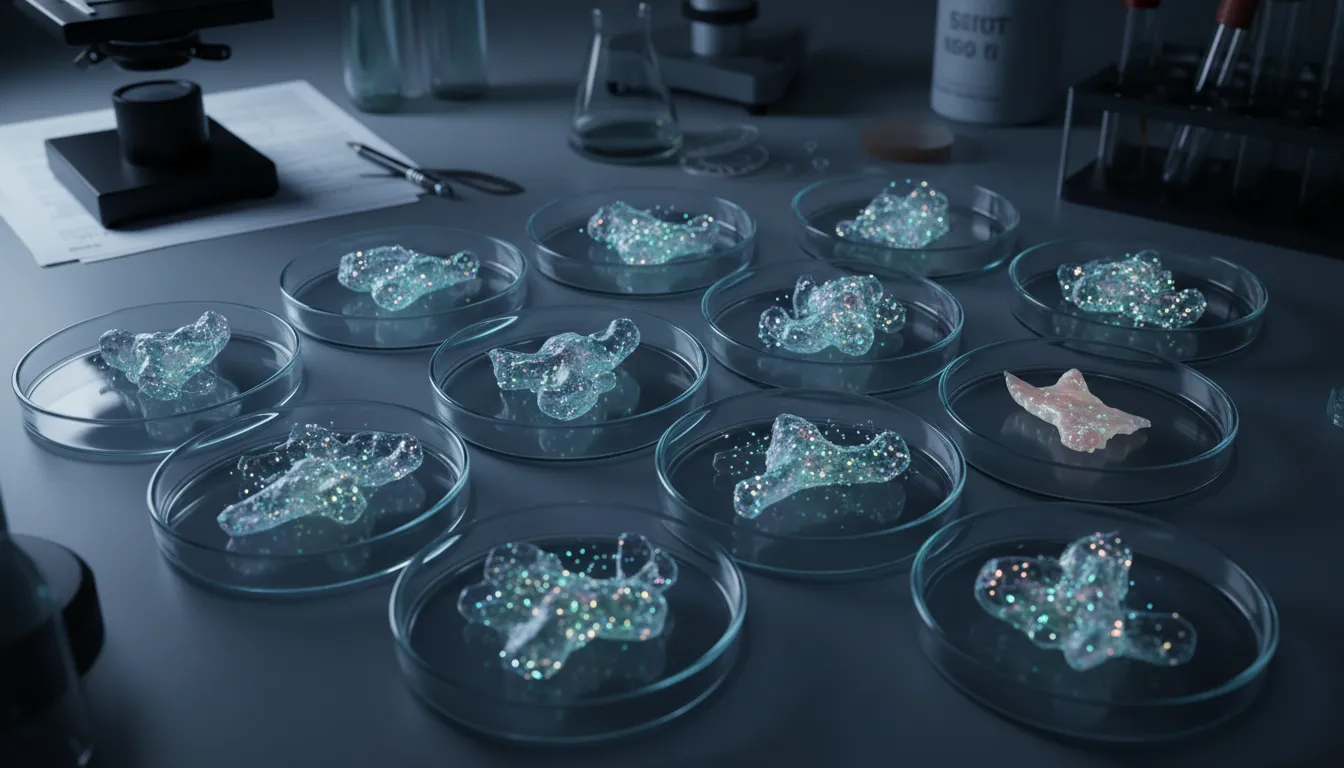
Scientists from NYU Langone Health presented a disturbing finding at the American Society of Clinical Oncology (ASCO) conference on February 26, 2026: microplastics are present in 90 percent of prostate tumors. The pilot study analyzed tissue samples from ten men with prostate cancer and revealed that cancerous tissue contains an average of 2.5 times more plastic fragments than adjacent healthy tissue — specifically, approximately 40 micrograms of plastic per gram of tumor tissue compared to 16 micrograms per gram of benign tissue.
This is the first assessment of its kind in the West to directly compare the concentration of microplastics in malignant and benign prostate tissue. The research was funded by the U.S. Department of Defense.
What Exactly Did the Scientists Find?
The team used two independent analytical methods — pyrolysis coupled with gas chromatography and mass spectrometry, as well as Raman microscopy. The size of the captured plastic particles ranged from 1.2 to 40.3 micrometers. The most frequently identified types of plastics included nylon-6, polystyrene, and polyethylene — materials commonly found in food packaging, water bottles, synthetic fabrics, and medical devices.
Plastic fragments appeared not only in tumors but also in 70 percent of benign tissue samples — indicating widespread exposure of the body to microplastics.
Mechanism: Inflammation as a Bridge to Carcinoma
Lead author of the study, Dr. Stacy Loeb, a urologist at NYU Grossman School of Medicine, explains the likely mechanism: plastic particles can trigger a chronic inflammatory response in prostate tissue. Long-term inflammation damages cells, triggers oxidative stress, and can lead to genetic mutations that open the door to the carcinogenic process.
"Our pilot study provides important evidence that exposure to microplastics may be a risk factor for prostate cancer," said Dr. Loeb.
Experts also point out another dimension: microplastics are not chemically inert. They can bind to and transfer carcinogenic additives — phthalates, bisphenols, and other endocrine-disrupting substances — into the tissue.
Expert Reaction: A Serious Signal, But Caution is Warranted
Dr. Michael Eisenberg from Stanford University assesses the situation as alarming: "We are finding more and more signals about the striking presence of micro- and nanoplastics and their disturbing links to health problems. We need more data."
Dr. Andrea Viale from MD Anderson Cancer Center adds that this issue deserves "really serious attention" and that society should implement strategies to limit exposure to plastics.
It should be emphasized that the study currently only involves ten patients and has not been peer-reviewed in a scientific journal. Therefore, the results represent pilot findings, not definitive proof of a causal relationship between microplastics and prostate cancer.
What's Next and What Does It Mean for Us?
The NYU team plans to expand the research to 30 patients and investigate whether a higher concentration of plastics correlates with stronger inflammation and a more aggressive type of tumor. Similar results were also suggested by a Chinese study published in The Lancet in 2024, which gives the new findings a stronger contextual framework.
This news is relevant for Slovak men: prostate cancer is also the most common cancer in men in our country. Microplastics are an integral part of the modern environment — we find them in drinking water, seafood, packaged foods, and even in the air. Experts recommend minimizing the use of plastic packaging, preferring glass or metal containers, and filtering drinking water.