Spring 2026: US Housing Affordability at 4-Year High
American homebuyers enter spring 2026 with their strongest purchasing power since early 2022, as mortgage rates briefly dipped below 6% and inventory expands — but the U.S.-Iran conflict is already pushing borrowing costs back up.

The Most Optimistic Spring in Three Years
For the first time since the Federal Reserve began its aggressive rate-hiking cycle in 2022, American homebuyers are heading into a spring selling season with something resembling genuine optimism. Mortgage rates briefly dipped below 6% in late February — touching 5.98% on the 30-year fixed average, a milestone not seen since 2022 — while the most competitive lenders were quoting rates as low as 5.375%. The result: purchasing power has surged to a four-year high.
According to data compiled by Yahoo Finance and Zillow, a median-income U.S. household can now afford a home priced at approximately $331,483 — roughly $30,000 more than this time last year. Typical monthly mortgage payments have fallen 8.4% year-over-year as a combination of easing rates and rising household incomes has shifted the calculus for millions of would-be buyers.
A Market Finally Tilting Toward Buyers
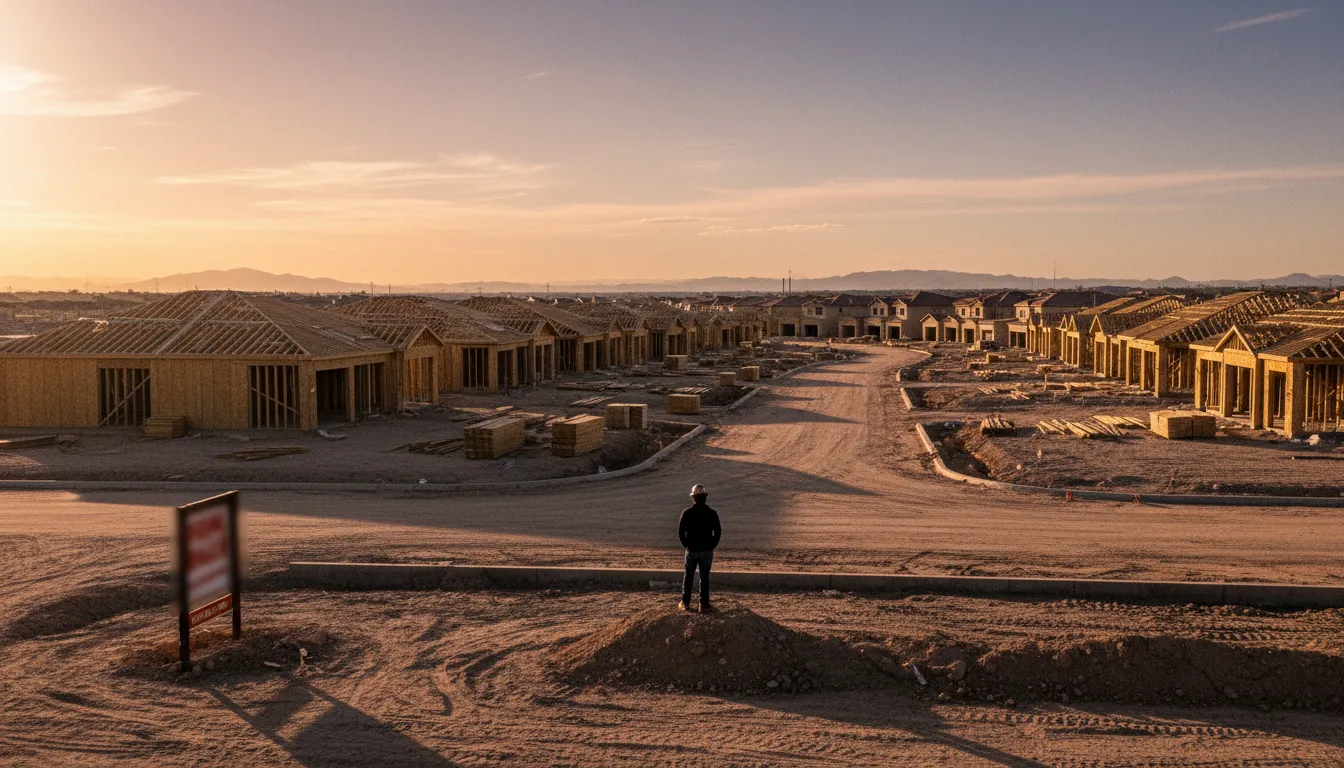
The inventory picture has also improved markedly. ConsumerAffairs reports that sellers now outnumber active buyers by approximately 600,000 — up from 444,000 in January 2025. That gap translates directly into negotiating leverage for house-hunters who have largely sat on the sidelines since 2022.
Zillow economists estimate that a median-income household can now access around 446,982 listings — some 82,300 more than a year ago — representing 40.3% of all homes on the market, up from 34.8% twelve months prior. The company projects that homes will be affordable in 20 major metropolitan markets by year-end, the broadest affordability in the top-tier cities since 2022.
At the national level, mortgage payments now consume 32.6% of median household income, the best ratio since August 2022, according to Zillow's investor report. That figure is projected to improve further to 31.8% by December.
The Iran Wildcard
Then came the conflict. U.S.-Israeli military strikes on Iran rattled bond markets in early March, pushing the 10-year Treasury yield sharply higher and dragging 30-year mortgage rates back above 6%. CBS News and HousingWire both reported that investors are now pricing in renewed inflation risk as crude shipments through the Strait of Hormuz slow — removing roughly 20 million barrels per day from global circulation. The average gallon of gas jumped 27 cents in a single week, echoing the shock of Russia's 2022 Ukraine invasion.
For the housing market, the critical question is duration. A short conflict would likely allow rates to drift back toward 6% or below, keeping the spring season on track. A prolonged escalation, analysts warn, could reignite broader inflation — forcing the Federal Reserve to hold rates higher for longer and erasing much of the affordability progress made over the past year.
"The outlook depends entirely on the conflict's duration. Prolonged energy disruptions would lead to higher inflation — and that would keep mortgage rates higher for longer," noted economists cited by HousingWire.
Structural Challenges Remain
Even before geopolitical headwinds, the U.S. housing market faces a chronic structural deficit. Realtor.com estimates the national supply gap has widened to nearly 4 million homes — a shortfall more than a decade in the making that no single spring season can resolve. First-time buyers, particularly Gen Z and young families, remain most exposed to the affordability squeeze, even as the median picture improves.
The National Association of Realtors projects overall home sales will rise modestly in 2026, with price growth cooling to low single digits — a welcome shift from the double-digit surges of the pandemic era. Whether spring 2026 delivers on its early promise now hinges as much on events in the Persian Gulf as on the decisions of the Federal Reserve.