Duslo Šaľa Curtails Ammonia Production Due to Record Gas Prices
Slovak fertilizer producer Duslo Šaľa has reduced ammonia production to a technical minimum due to record natural gas prices, which have soared following the blockade of the Strait of Hormuz. The situation threatens the supply to farmers and risks increasing food prices.
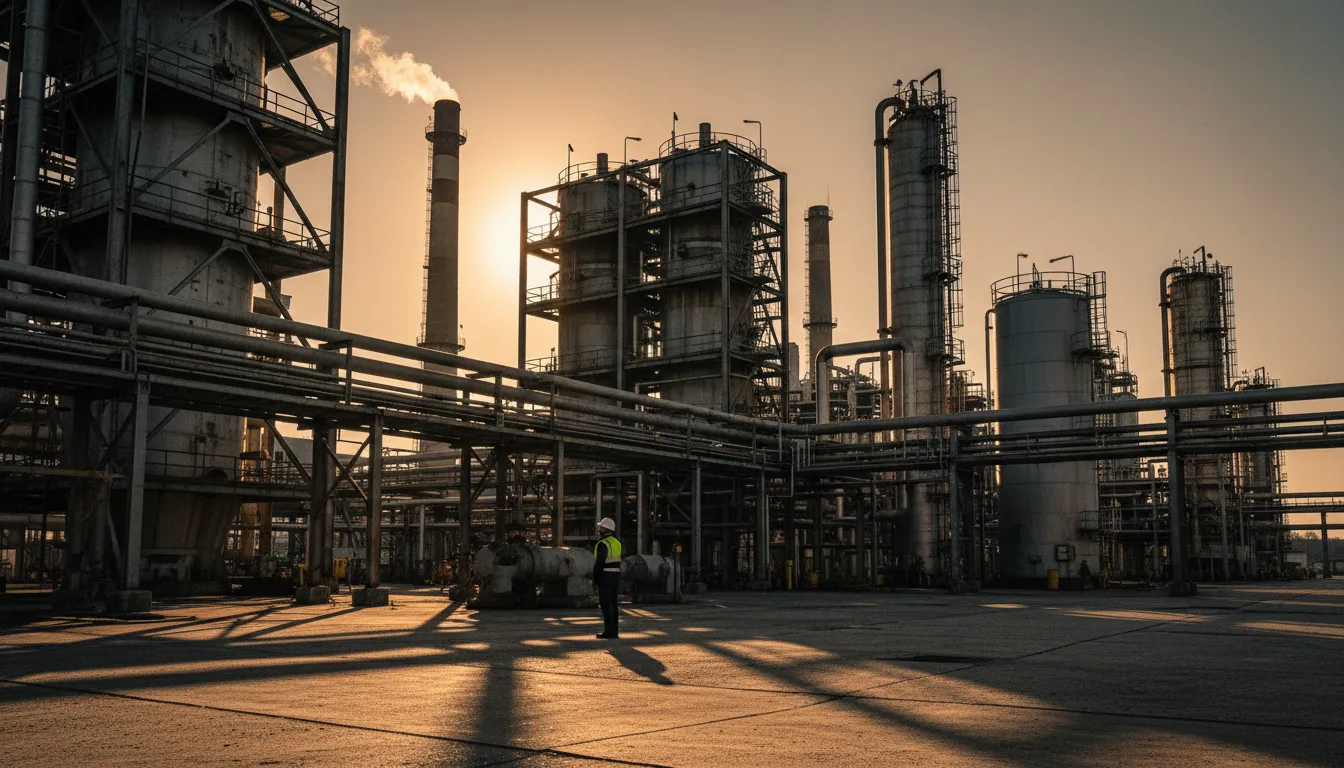
Duslo Šaľa, Slovakia's largest producer of industrial fertilizers and chemicals, has reduced ammonia production to a technical minimum. The reason is record high natural gas prices, which have skyrocketed due to the blockade of the Strait of Hormuz and the war in the Middle East. The situation comes at the worst possible time — just before the spring fertilization season.
Gas Prices Soar to Record Levels
The European benchmark price for natural gas has risen by more than 70 percent since the end of last year. While a megawatt-hour of gas cost less than 30 euros at the turn of the year, it currently exceeds 50 euros. Analysts at HSBC estimate that European gas prices will be on average 40 percent higher in 2026 than originally anticipated. If the blockade of the Strait of Hormuz lasted more than two months, prices could jump to over 100 euros per megawatt-hour.
Europe entered this year with significantly lower gas reserves: stocks at the end of February reached only 46 billion cubic meters, compared to 60 billion in 2025 and 77 billion in 2024 — roughly 15 percentage points below the five-year average. Approximately 20 percent of the world's liquefied natural gas (LNG) production passes through the Strait of Hormuz.
Ammonia Production Loses Economic Sense
Duslo Šaľa has the capacity to produce 1,600 tons of ammonia per day. However, the company has reduced it to a technical minimum, as natural gas accounts for the largest share of variable costs, and production is economically unsustainable at current prices. Spokeswoman Silvia Karásiková pointed out that Middle Eastern countries are important global fertilizer producers, and therefore further price increases on global markets should be expected. The production cut has no direct impact on employees in Šaľa for the time being — fertilizer production from stored ammonia stocks continues.
A similar situation is being experienced by Polish Grupa Azoty, one of the largest European fertilizer producers, which has temporarily suspended accepting new orders. The crisis has thus affected several key players simultaneously.
Farmers Look to Autumn with Concern
Slovak agricultural enterprises will manage spring supplies from existing stocks, but are looking to the autumn months with concern. Farm manager Pavol Findura pointed out that without available and affordable fertilizers, the profitability of agricultural production is "difficult to realistically imagine." Vice-Chairman of the Slovak Chamber of Agriculture and Food Emil Macho warned that if the conflict persists and gas prices remain high, the consequences will be most significantly felt in the harvests of 2027. The production of fuels and AdBlue would also come under pressure.
Brussels Negotiates, Bratislava Remains Silent
The European Commission published plans in March 2026 to reduce the energy burden on energy-intensive industries. Industrial electricity and gas tariffs, network charges and emission allowance costs are two to four times higher in the EU than in the US. Extending compensation for the chemical industry — including increasing the maximum rate of reimbursement of indirect ETS costs from 75 to 80 percent — was one of the topics of the European Council summit on March 19-20, 2026.
The Slovak government has not yet presented specific compensation measures for domestic industry. Industrial associations are calling for an emergency intervention similar to that of 2021-2022, when high gas prices shut down up to 70 percent of European nitrogen fertilizer production capacity. If the situation is not resolved before the main season, Slovakia could face rising food prices, significant pressure on farmers and increasingly urgent questions about the country's energy resilience.