Eid al-Fitr on March 20: End of Ramadan in France
The Grand Mosque of Paris and the CFCM have officially confirmed that Eid al-Fitr 2026 will be celebrated on Friday, March 20, in France. Some five million Muslims mark the end of Ramadan in a tense geopolitical context, amid practical questions of time off and secure gatherings.
A date officially confirmed Wednesday evening
On the evening of Wednesday, March 18, 2026, following the Night of Doubt, the Grand Mosque of Paris officially announced the long-awaited news: Eid al-Fitr, the festival marking the definitive end of the Ramadan fast, will be celebrated this Friday, March 20, throughout France. The commission, bringing together the major national federations — FFAIACA, Foi & Pratique and the Grand Mosque of Paris — as well as the National Council of Imams, decided after consulting astronomical data.
The conclusion is unequivocal: observation of the crescent moon proved impossible that evening. Consequently, the month of Ramadan 1447 H will reach its maximum duration of thirty days. The conjunction of the new moon of Shawwal was calculated for Thursday, March 19 at 01:23 (universal time), making the celebration mathematically inevitable the next day. The French Council of the Muslim Faith (CFCM) and the Theological Muslim Council of France (CTMF) issued convergent statements, welcoming a rare unanimity of French Islamic institutions on the date.
A festive Friday, but not a public holiday
For the approximately five to six million Muslims residing in France, this coincidence with an ordinary weekday raises immediate practical questions. Eid al-Fitr is not recognized as a legal public holiday in France: employees wishing to participate fully must take paid leave or a RTT day, ideally planned in advance. Civil servants may, under certain conditions, benefit from authorized absence for non-legal religious holidays.
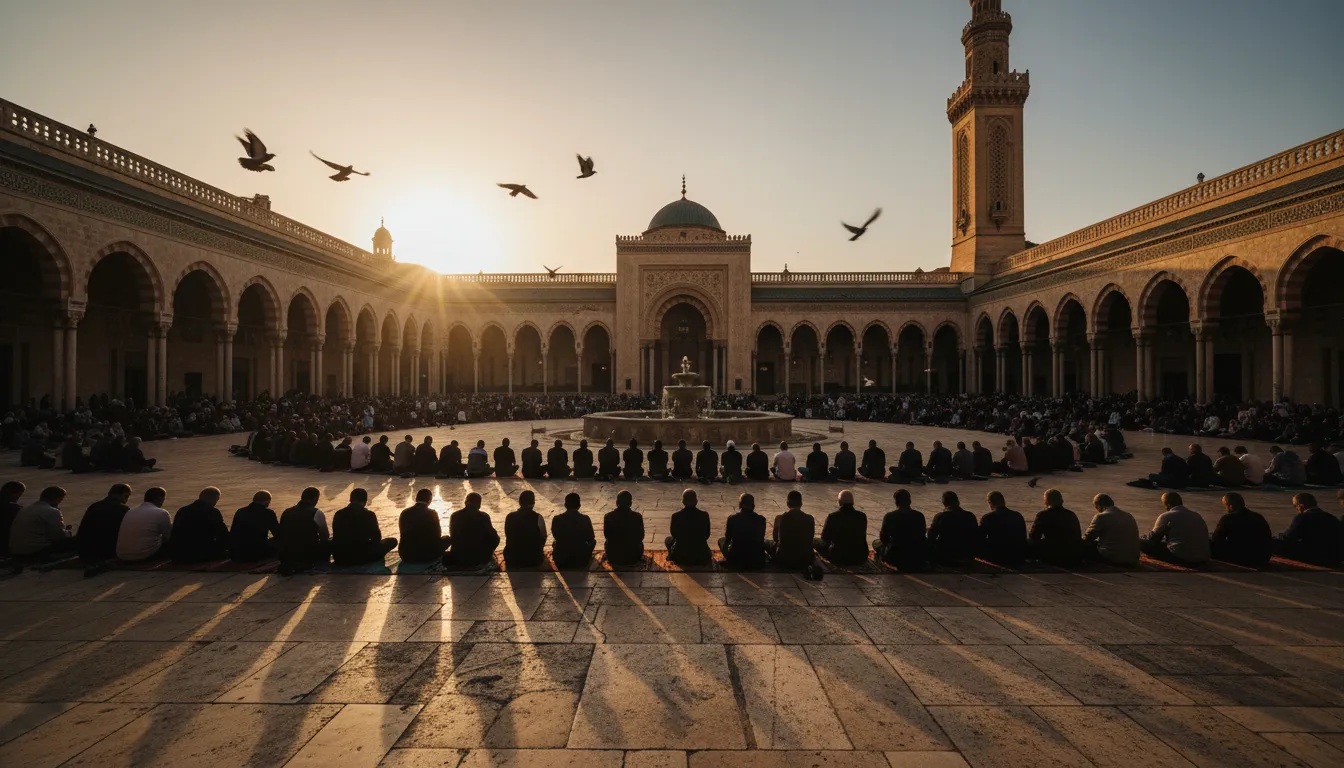
The Eid prayer, the central moment of the celebration, is held early in the morning — generally between 7:30 and 9:00 a.m. — in mosques and, often, in large outdoor spaces rented for the occasion. Worshippers are invited to arrive thirty minutes in advance due to the exceptional crowds. Before the prayer, each Muslim is required to pay the Zakat al-Fitr, a purifying alms estimated at around seven to nine euros per member of the household in France.
Celebration under high surveillance
This 2026 edition of Eid al-Fitr comes in a particularly charged international context. The armed conflict in the Middle East, involving in particular Israel and Iran, mobilizes consciences within French Muslim communities. The authorities have reinforced security arrangements around major mosques in the country's main cities.
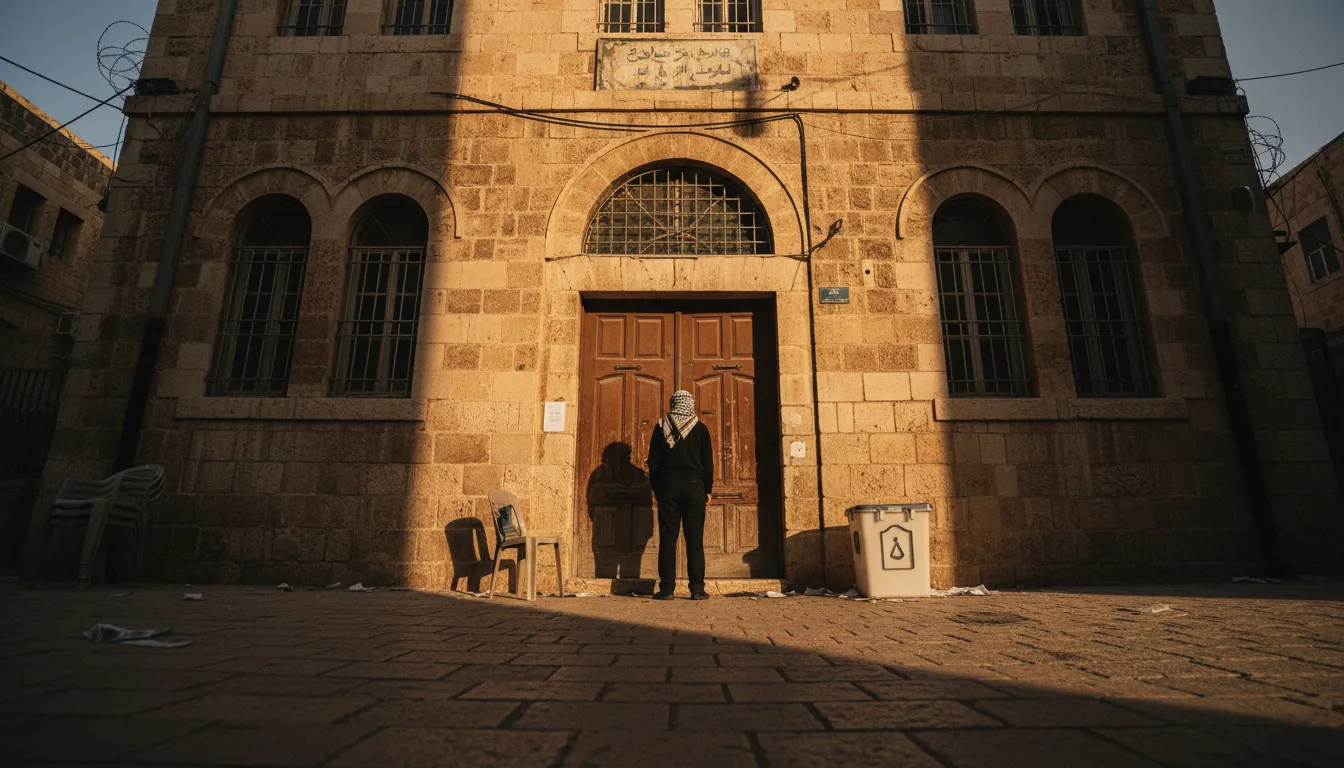
On the part of religious leaders, the tone is one of appeasement and gathering. Associations and imams are calling for peaceful celebrations, focused on spirituality and family solidarity. The closure of the Al-Aqsa Mosque in Jerusalem for Eid, decided by the Israeli authorities, nevertheless fuels a feeling of injustice among many worshippers, without however affecting the spirit of celebration expected in France.
Traditions and significance
Eid al-Fitr — literally "festival of breaking the fast" — is one of the two major festivals of Islam. It marks the end of a month of daytime fasting, intense prayer and spiritual reflection. Traditions include the morning ritual bath, wearing beautiful clothes, tasting dates before prayer, and family reunions around festive meals. Greetings such as "Eid Mubarak" (blessed festival) or "Eid Said" (happy festival) will resonate this Friday in homes and streets across France.
The convergence of the main French Islamic institutions on a common date is also welcomed as a positive sign of unity, in a community often marked by methodological differences between astronomical calculation and traditional lunar observation.