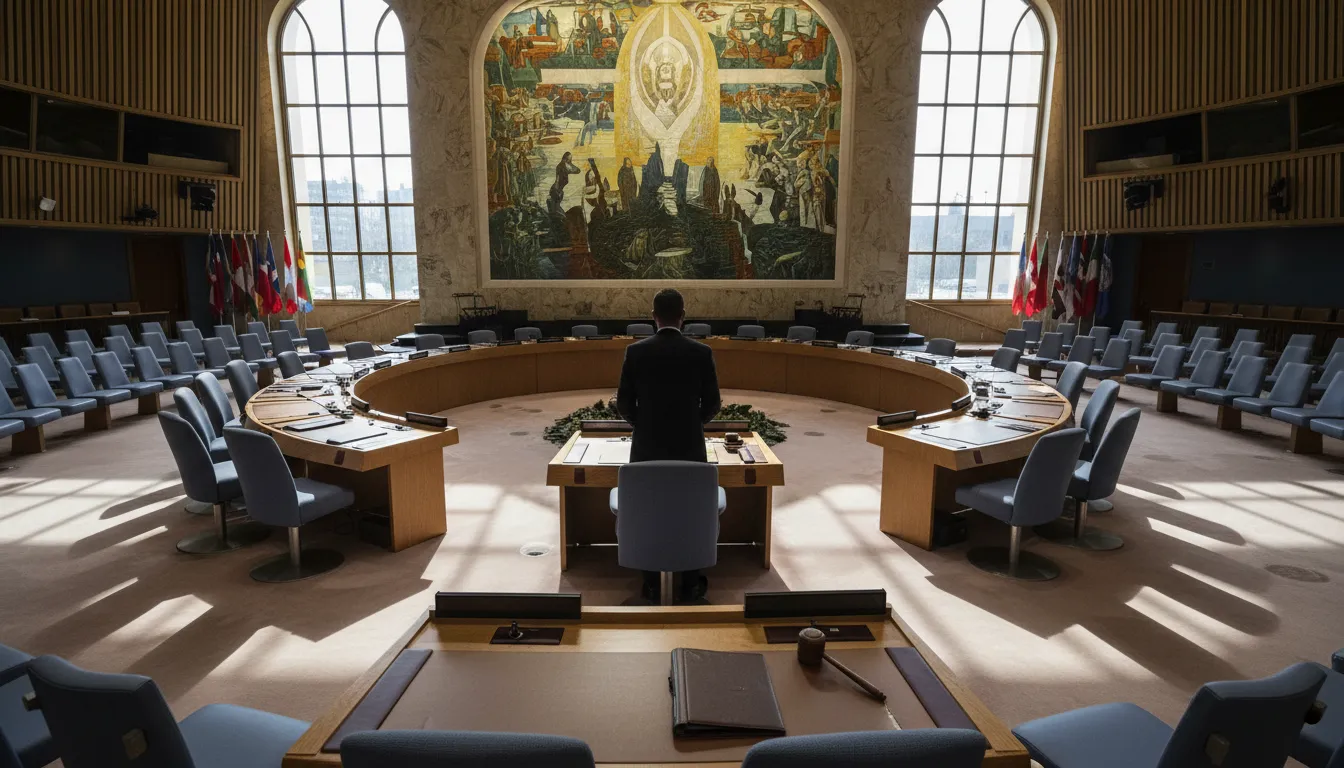
Frederiksen Resigns as Coalition Impasse Paralyzes Denmark
Danish Prime Minister Mette Frederiksen has submitted her government's resignation after her party suffered its worst result in 120 years. Centrist Lars Løkke Rasmussen could become kingmaker in coalition negotiations that could reshape the balance of power in the EU.
Resignation Follows Historic Defeat
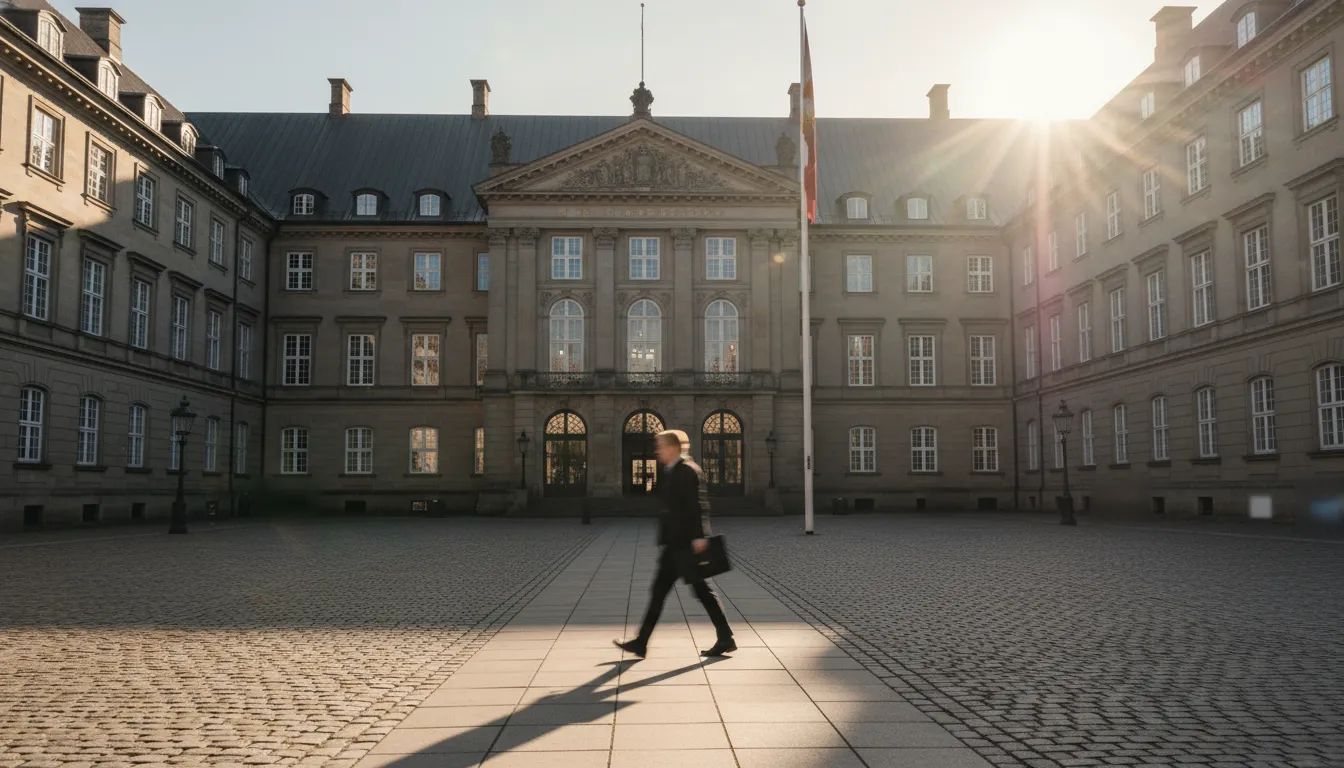
Danish Prime Minister Mette Frederiksen submitted her government's resignation to King Frederik X at Amalienborg Palace on the morning of March 25, after her party, the Social Democrats, received only 21.8 percent of the vote in the snap parliamentary elections on March 24. This is the party's weakest result since 1903, or more than 120 years.
The three-party Frederiksen government suffered a heavy defeat: the Social Democrats slipped from 50 to 38 seats in the 179-seat Folketing. Despite the resignation, Frederiksen remains in office as caretaker prime minister until a new government is formed — and she is also a candidate to lead the next cabinet, as her party remains the strongest.
No Side Secured a Majority
The most important lesson of the election is that neither the left-wing nor the right-wing bloc achieved a majority. The left won 84 seats, the right around 81 — neither crossed the 90-seat threshold required to govern. This political stalemate puts former Prime Minister Lars Løkke Rasmussen and his centrist Moderates party, which won 14 seats, at the center of attention.
On election night, Løkke Rasmussen said: "Stop this talk about dividing lines. Come down to the center with us and let's play together!" — signaling that he is open to both sides, but with conditions.
The Kingmaker Holds the Decision
The King appointed Frederiksen as royal commissioner on Wednesday to negotiate a possible new coalition. Analysts say the negotiations could take up to 40 days, as the political balance of power is extremely even. The center-right challenger, Troels Lund Poulsen, leader of the Liberals (Venstre), has already indicated that he does not want to re-enter a coalition with the Social Democrats.
The most likely scenario is that Frederiksen will try to form a narrower, two-party coalition with Løkke Rasmussen's Moderates, but the outcome of the negotiations is uncertain.
Why is this Important for Hungary and the EU?
Denmark holds the rotating presidency of the European Union, and Frederiksen has made European security and support for Ukraine the main priorities of the presidency. Copenhagen has been one of the EU's most vocal advocates for increasing defense spending and financing Ukrainian war efforts — the Danish government has also announced a €1.26 billion drone support package for Kyiv.
According to an Atlantic Council analysis, a possible shift to the right in Copenhagen could change the EU's bargaining positions. This is particularly noteworthy for Hungary ahead of the April 12 parliamentary elections: if Denmark's new government is less assertive in its pro-Ukraine stance, it could reshape the EU's balance of power in sanctions and defense policy.
However, most analysts believe that Frederiksen's third term remains the most likely outcome — but with a weakened prime minister and a broader coalition, Danish foreign policy assertiveness may also decline.