Fuel Crisis: Independent Gas Stations Face Collapse
Independent gas station operators in Hungary are preparing for protests and mass closures as the government reintroduces price caps and plans a joint pipeline with Slovakia.
"Worse Than in 2022"
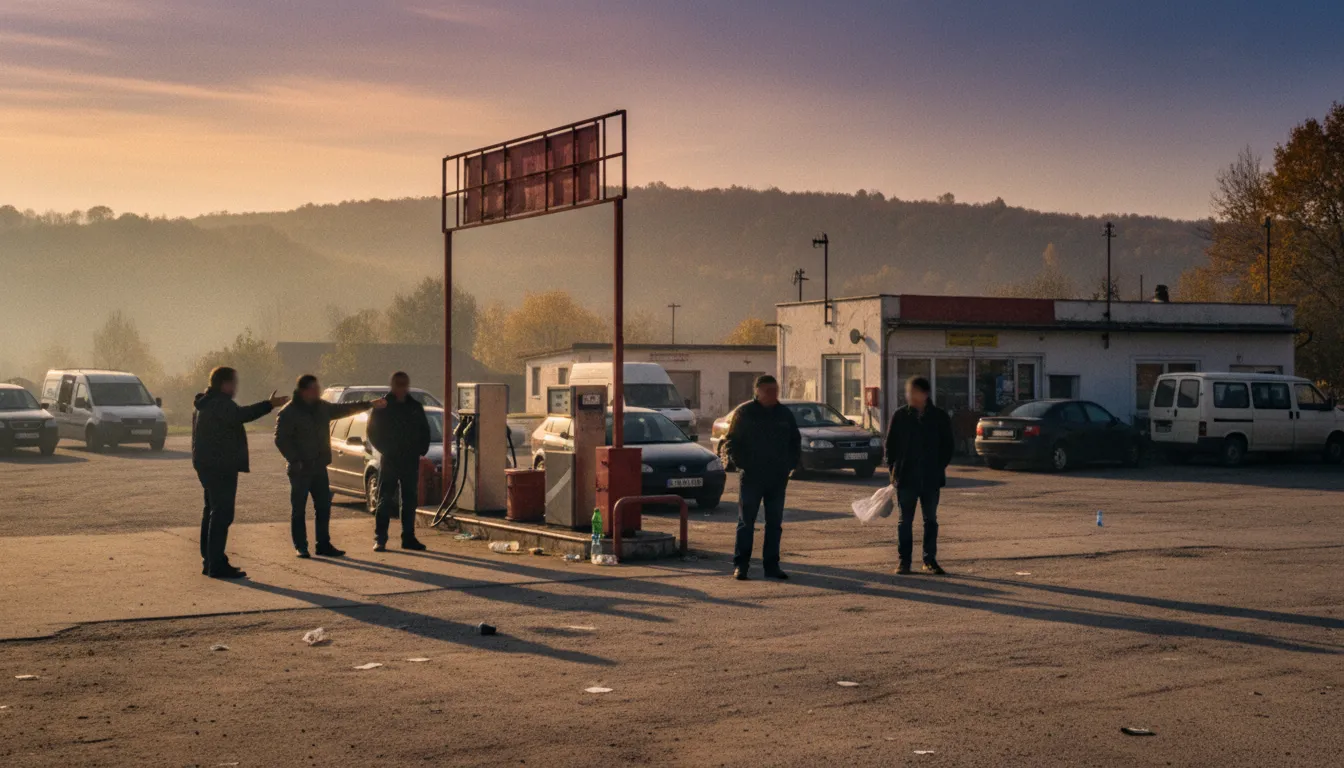
Independent gas station operators in Hungary are in an increasingly desperate situation. According to the Independent Petrol Station Association, the current state is "worse than it was in 2022," when the price cap at the time pushed smaller players to the brink. Operators are threatening organized protests, mass closures, and fuel rationing — some stations are already limiting purchases to a maximum of 2 liters at a time.
"There is enormous frustration throughout the industry," Gábor Egri, an expert from the association, told G7. For smaller stations, often family-run businesses, the current profit margin is unsustainable: the discounted fuel promised from strategic reserves covers only 25–30 percent of total sales, leaving an average margin of just 8–10 forints per liter — far below a profitable level.
Price Cap and Strategic Reserves
Prime Minister Viktor Orbán convened an extraordinary cabinet meeting on March 9, 2026, and then announced the reintroduction of the fuel price cap in a Facebook video. According to the government decree, a liter of 95-octane gasoline can cost a maximum of 595 forints, and diesel 615 forints — the measure took effect on March 10 and applies only to vehicles with Hungarian license plates.
The decision was triggered by a surge in the price of Brent crude oil: the price per barrel temporarily rose to $120 following the conflict in the Middle East and the shutdown of the Druzhba oil pipeline. The Hungarian Hydrocarbon Stockpiling Association released 352 million liters of gasoline and 610 million liters of diesel to ensure uninterrupted supply.
However, independent gas station operators claim they have received none of the discounted fuel. In addition to the promised discount of 35 forints per liter, operating costs amount to 32–35 forints per liter — meaning the real profit is practically zero.
Slovak–Hungarian Pipeline for Independence
To alleviate the crisis, the government is also working on a longer-term solution. Foreign Minister Péter Szijjártó and Slovak Economy Minister Denisa Saková signed an agreement in Brussels on March 16, 2026, to build a joint fuel pipeline. The 127-kilometer pipeline will connect the Százhalombatta and Bratislava refineries, with a transport capacity of 1.5 million tons of gasoline and diesel per year. The handover is planned for the first half of 2027.
"This pipeline represents added value for Hungary's energy security, especially in terms of diesel supply," Szijjártó emphasized. The project is a direct response to the shutdown of Ukrainian transit on January 27, 2026, which significantly affected both countries.
Political Risk Ahead of April Elections
The fuel crisis is deepening at a particularly sensitive time: Hungary will hold parliamentary elections in April. The experiences of the 2021–2022 price cap — which caused supply disruptions and station closures — serve as a warning. One small gas station operator told Telex: "we are expendable" — referring to the fact that the government could easily abandon the sector after the elections.
The stakes are not only economic: if independent stations actually organize protests or close en masse, it could paralyze rural transport and supply chains — just when the government least needs another crisis.