Housing in Spain: Historic Record with a 12.7% Increase
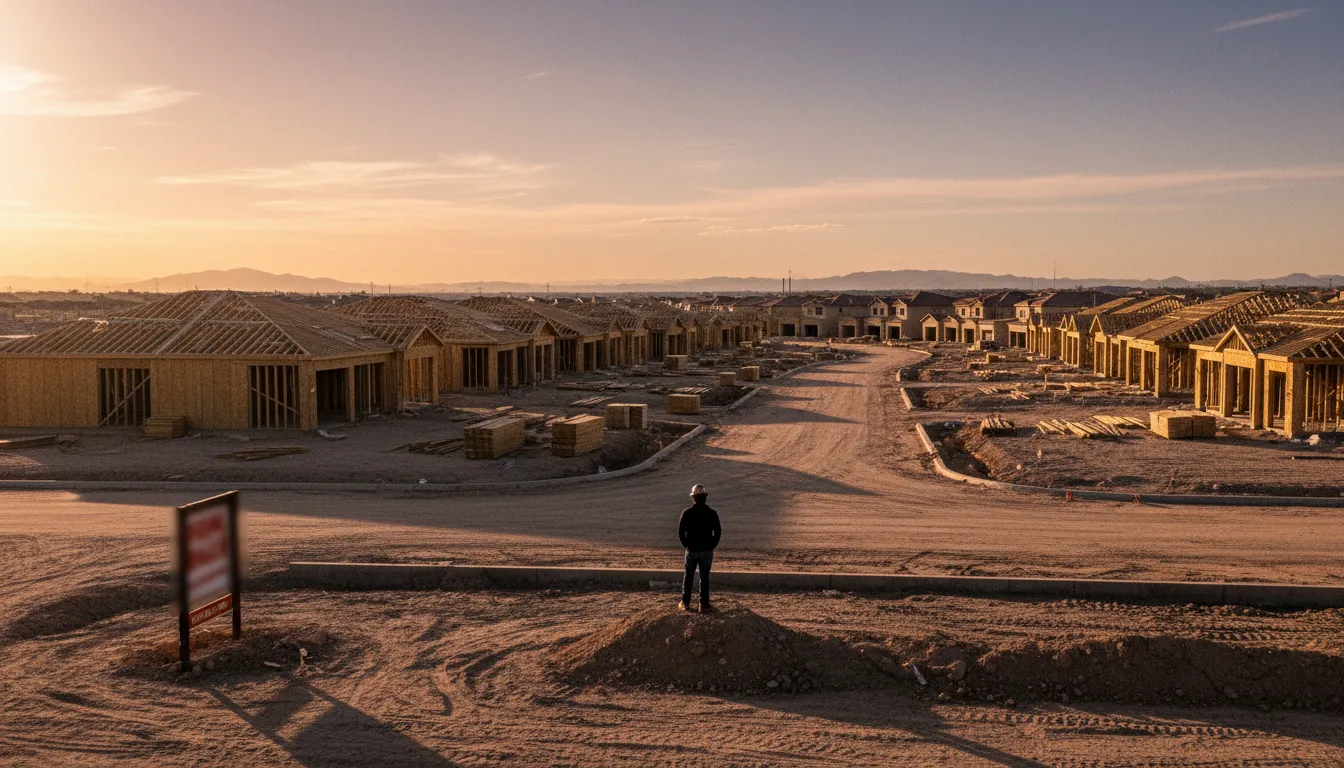
The price of free-market housing in Spain closed 2025 with its largest increase since 2007, a 12.7% year-on-year rise, and BBVA Research experts predict another increase of up to 10% in 2026. The crisis is structural: supply fails to meet a growing demand driven by lower interest rates, foreign remote work, and residential tourism.

A Market Breaking All Records
The Spanish real estate market closed 2025 with a 12.7% year-on-year increase in the price of free-market housing, the largest increase since 2007, according to data from the Housing Price Index (IPV) of the National Statistics Institute (INE). The average price reached 2,230 euros per square meter, a historic record since statistical records began in 1995. In newly built homes, the value exceeded 2,600 euros per square meter, figures that equal and in some areas exceed those of the speculative boom prior to the 2008 crisis.
The increase was widespread throughout the country: no autonomous community recorded increases of less than 10%. The most pronounced increases occurred in Cantabria (+16.7%), the Community of Madrid (+15.8%), and the Valencian Community (+15.8%). Madrid closed the year with the highest price in the country, with 3,902 euros per square meter, followed by the Balearic Islands with 3,809 euros.
A Structural, Not Speculative, Crisis
Unlike the collapse of 2008, analysts agree that the current crisis is not speculative but structural. The Bank of Spain estimates a deficit of between 450,000 and 600,000 homes nationwide. New construction will grow by 12% in 2026, but this figure is still insufficient to cover demand sustained by several simultaneous factors: the European Central Bank's lower mortgage rates, the arrival of foreign remote workers with greater purchasing power, and the rise of residential tourism on the Mediterranean coasts.
According to the most recent report from BBVA Research published in March 2026, prices could rise by up to an additional 10.2% throughout this year, revising upwards their previous forecast of 7%. The imbalance between supply and demand, aggravated by the limited availability of developable land in large cities, is the main driver of the escalation.
Rent, Out of Reach for Millions
The pressure on the rental market is equally alarming. In Madrid and Barcelona, rents have risen by more than 20% in the last two years, exceeding 20 euros per square meter per month in the most sought-after areas. Average rental prices in Spain already exceed 1,150 euros per month, according to data from Idealista, which places the effort rate of households with average incomes well above the recommended threshold of 30% of income.
The Government's Responses
The government of Pedro Sánchez has adopted several emergency measures. In April 2025, it eliminated the Golden Visa for real estate investment, which allowed non-EU citizens to obtain residency in exchange for buying properties. In addition, the government has proposed a tax of up to 100% on the purchase of real estate by non-European Union citizens who do not reside in Spain, although the measure faces constitutional and legal objections. In parallel, the State Housing Plan 2026-2030 plans to expand the public stock of affordable rental housing with more than 30,000 new homes.
The Community of Madrid, for its part, presented its own 2026-2027 Shock Plan, with 15 measures that include the construction of more than 15,000 protected homes in four years.
No Relief in the Short Term
With sustained demand, lagging supply, and mortgage rates at historically low levels, experts do not anticipate a price correction in the short term. Spain faces a housing challenge of the first magnitude that, if not resolved with ambitious and sustained supply policies, threatens to aggravate social inequality and further hinder the emancipation of younger generations.