Poland Allocates PLN 16 Million to Brown Bear Protection Program
The Ministry of Climate has launched a four-year, PLN 16 million+ program to protect the brown bear, encompassing prevention, intervention, and education in the Podkarpackie and Małopolskie voivodeships.
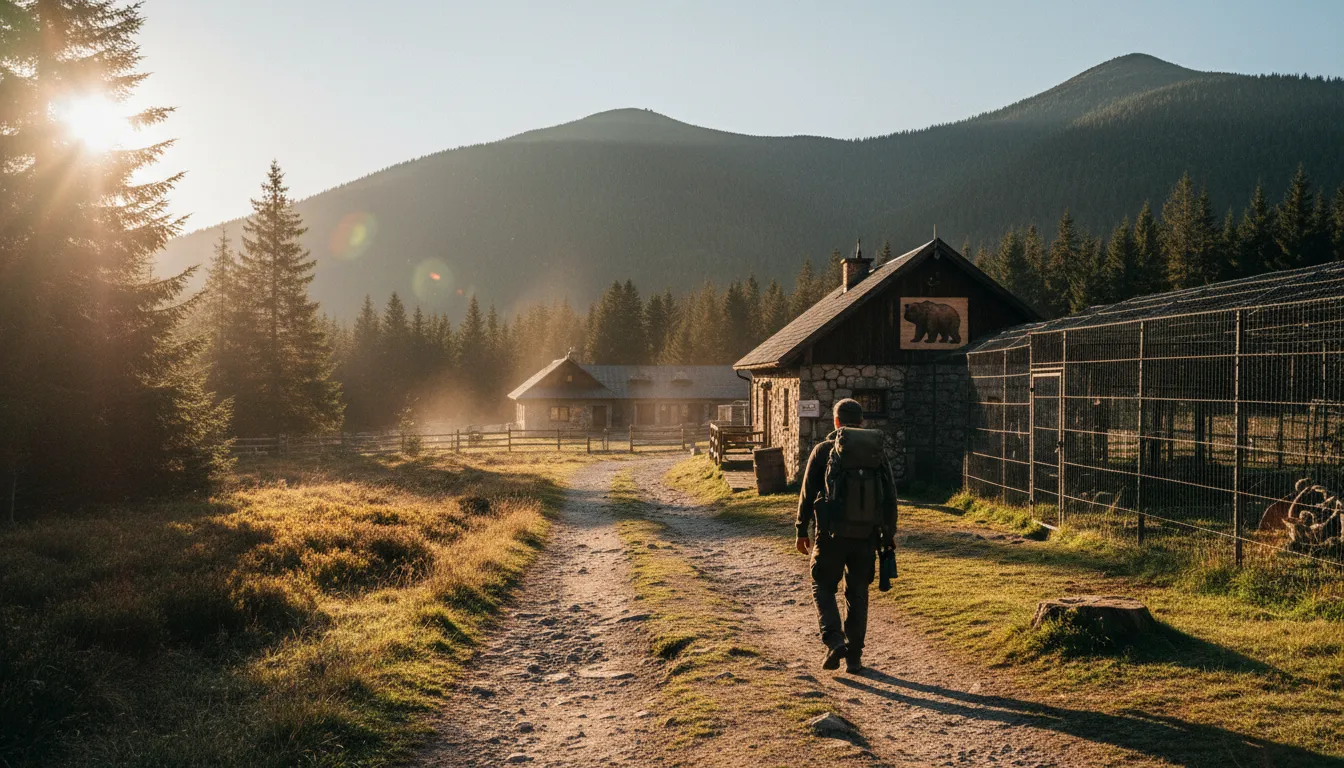
Millions Earmarked for Safe Coexistence with Bears
Minister of Climate and Environment Paulina Hennig-Kloska announced the launch of a comprehensive brown bear protection program in southern Poland in Rzeszów. The initiative is valued at PLN 16.05 million, with over PLN 13.6 million coming from European funds. An agreement was signed by the National Fund for Environmental Protection and Water Management and the Regional Directorate for Environmental Protection in Rzeszów.
The program, planned for four years (until the end of 2029), covers the Podkarpackie and Małopolskie voivodeships — specifically the following districts: Lesko, Bieszczady, Sanok, Nowy Sącz, Nowy Targ, Tatra, and Gorlice. These regions experience the most frequent encounters between people and bears.
Three Pillars: Prevention, Intervention, Education
The program is based on three key pillars. The first is prevention — approximately 1500 bear-resistant waste containers will be installed in conflict-prone areas. Simultaneously, native fruit trees and shrubs will be planted in bear habitats to provide them with natural food sources away from settlements.
The second pillar is an intervention team of approximately 20 specialists, with operational bases in Cisna and Polańczyk. The team will be equipped with off-road vehicles, drones, night vision and thermal imaging equipment, camera traps, and animal immobilization equipment. A veterinarian will participate in every intervention.
A key monitoring tool is GPS telemetry collars, which allow tracking of bear movements and deterring them before they enter inhabited areas. As Minister Hennig-Kloska emphasized, the program focuses on "deterrence through relocation, not elimination of bears." Five individuals in the Bieszczady Mountains have already been collared.
The third pillar is education — meetings with residents, information boards, instructional videos on safe behavior in bear habitats, and campaigns targeting both the local community and tourists are planned.
Growing Population, Growing Tensions
In Poland, the brown bear primarily inhabits two Carpathian areas: the Bieszczady Mountains and the Tatra Mountains. Population estimates vary significantly depending on the source — the Central Statistical Office (GUS) reports approximately 400 individuals (including 339 in Podkarpackie), the Institute for Nature Conservation estimates around 250, and WWF Poland estimates their number at around 120. Minister Hennig-Kloska acknowledged that the discrepancies indicate the need for a new census.
According to research published in the journal Scientific Reports, the brown bear population in Poland is growing at an average rate of 4.78% per year. This increase leads to more frequent encounters with the animals — 23 observations were recorded in 2025, and reports of bears waking from hibernation near buildings appeared as early as the beginning of 2026.
A Model to Follow?
The new program is a response to the growing tensions between species protection and the safety of residents. Research from 2025 published in the journal Ambio indicates that compensation systems for damage caused by bears build trust in the administration and promote coexistence. The Polish program combines this element with active prevention and modern monitoring, making it one of the most comprehensive initiatives of its kind in Central Europe.
Forest services, the police, the fire brigade, local governments, and crisis management centers are involved in the implementation. If the program achieves the desired results, it could become a model for other Carpathian countries facing similar challenges.