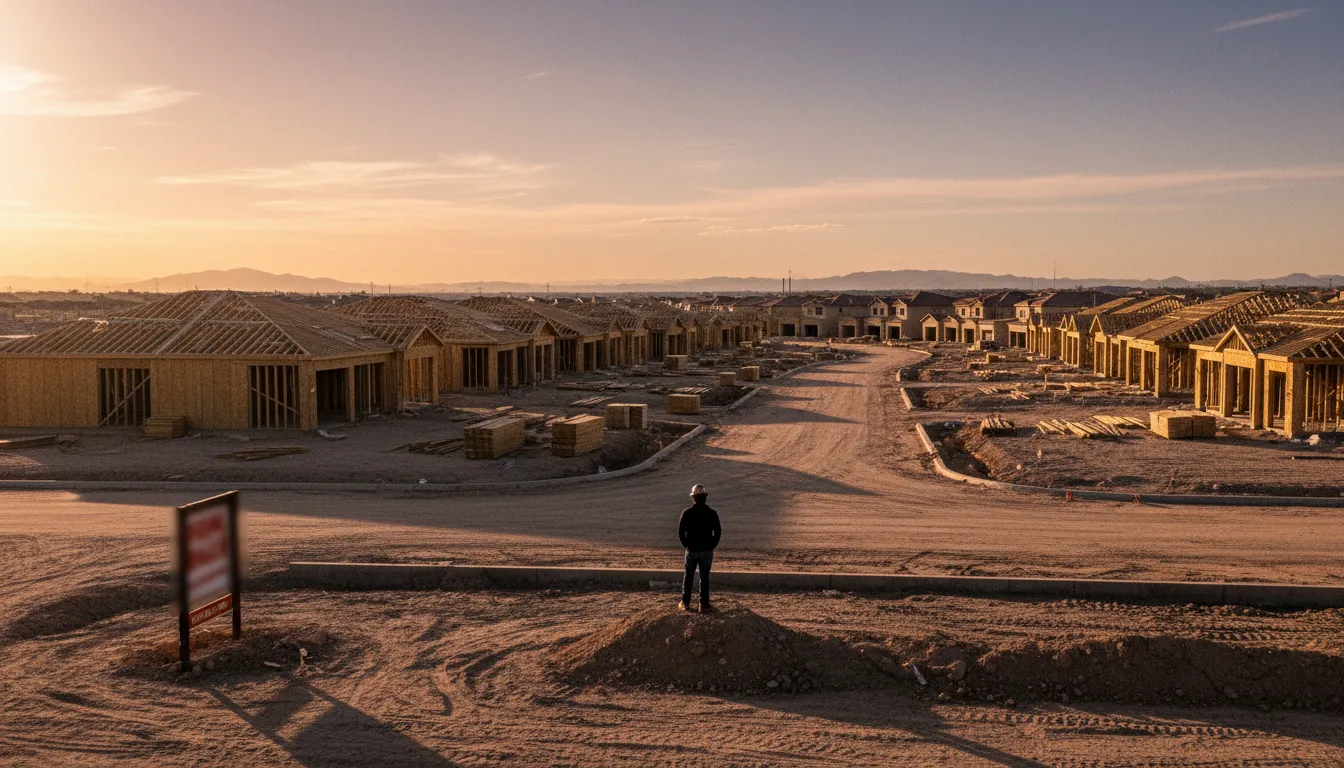
Senate Passes Landmark Bill to Ban Investor Home Buying
The US Senate passed the 21st Century ROAD to Housing Act 89–10 on March 12, barring large institutional investors from buying single-family homes and banning a central bank digital currency — but the bill's path to law remains uncertain.
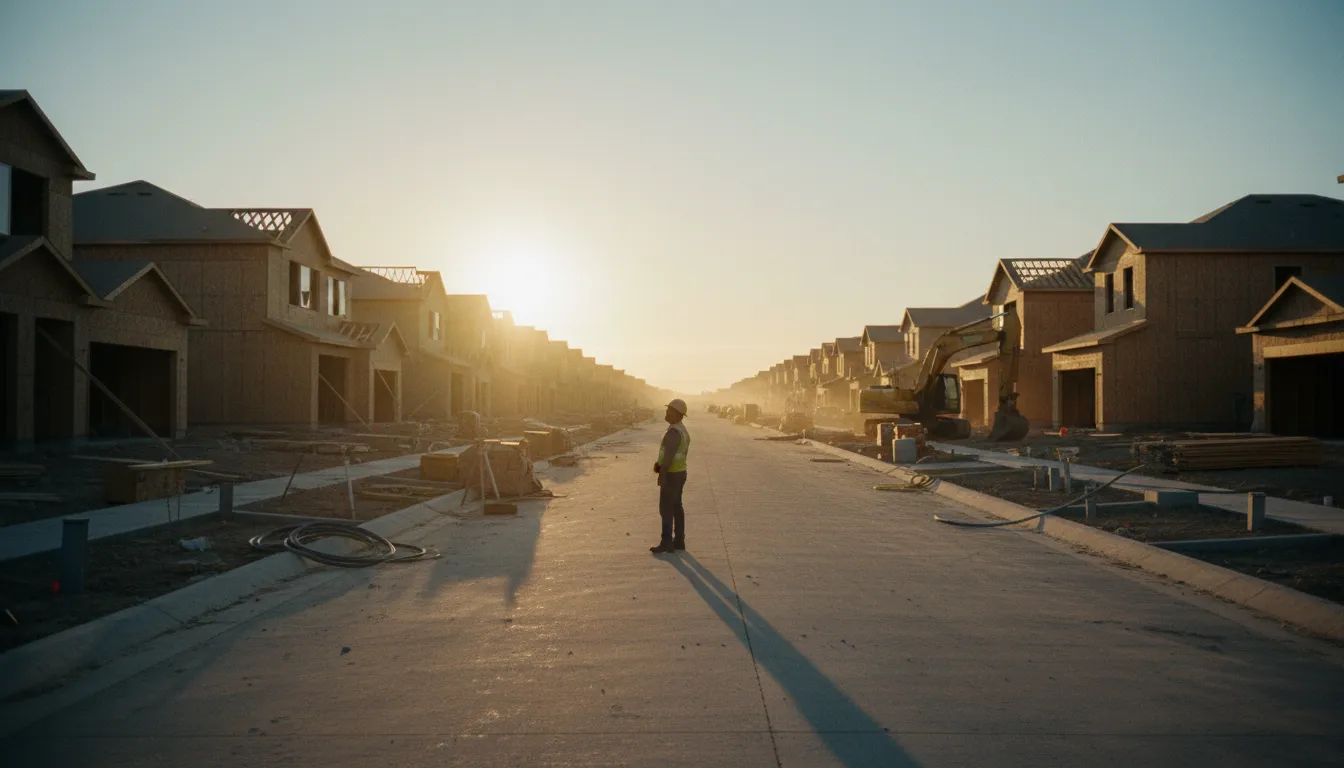
A Historic Vote on Housing
The United States Senate passed sweeping housing affordability legislation on March 12, 2026, in an overwhelming 89–10 bipartisan vote. The 21st Century ROAD to Housing Act, co-authored by Senate Banking Committee Chairman Tim Scott (R-SC) and Ranking Member Elizabeth Warren (D-MA), represents the most ambitious federal intervention in the residential real estate market in decades. At its core, the bill targets the Wall Street landlords widely blamed for pricing ordinary Americans out of homeownership.
The Institutional Investor Ban
The bill's most headline-grabbing provision prohibits large institutional investors — defined as entities that directly or indirectly own at least 350 single-family homes — from purchasing additional properties. The ban would take effect 180 days after enactment and is set to self-terminate after 15 years.
The legislation does carve out limited exemptions. Investors may still purchase or build homes specifically for the rental market, but those properties must be sold to individual homeowners within seven years. Crucially, the bill does not require existing large portfolios to be divested, meaning current holdings remain untouched.
Industry groups, including the National Association of Home Builders and the Mortgage Bankers Association, warned that the seven-year sell-off requirement could effectively kill the build-to-rent sector, reducing new housing supply at a time when the country faces a significant shortage.
Deregulation and a CBDC Prohibition
Beyond the investor ban, the bill contains a broad package of zoning and regulatory reforms intended to accelerate housing construction — removing federal obstacles that have long delayed homebuilding projects across the country.
In a notable addition, the Senate inserted a provision banning the Federal Reserve from issuing a central bank digital currency (CBDC) until December 31, 2030. The White House issued a formal statement supporting the bill and specifically highlighted the CBDC prohibition as a presidential priority, reflecting President Trump's longstanding opposition to a digital dollar.
An Uncertain Path in the House
Despite the Senate's lopsided vote, the bill's legislative future is far from secure. The House of Representatives had previously passed its own version of the legislation — then titled the Housing for the 21st Century Act (H.R. 6644) — by a 390–9 margin on February 9, 2026. But the Senate's substantial amendments have created friction.
House Republican leaders have objected to the process, arguing they were sidelined during Senate negotiations. Key sticking points include demands for a permanent CBDC ban rather than the Senate's temporary freeze, as well as additional community bank deregulation provisions. Further complicating matters, President Trump stated on March 9 that he would not sign any legislation until Congress passes a separate voter ID bill — a declaration that has cast a shadow over the housing bill's timeline.
What It Means for the Market
If signed into law, analysts say the bill would mark the most significant federal restriction on real estate investment since the post-2008 financial crisis reforms. Over the past decade, institutional investors have acquired hundreds of thousands of single-family homes, particularly in Sun Belt cities, driving up prices in markets where first-time buyers compete directly with deep-pocketed corporations. Proponents argue the ban would meaningfully shift the balance back toward individual ownership. Critics counter that it addresses symptoms rather than root causes, and that only dramatically increasing housing supply can sustainably bring prices down.
For now, the bill returns to the House, where negotiators must reconcile two substantially different versions — or watch a rare moment of bipartisan consensus quietly expire.