Slovakia and Hungary Block EU's 20th Sanctions Package Against Russia
EU ambassadors discussed the 20th package of sanctions against Russia on February 20th, but Slovakia and Hungary are conditioning their approval on maintaining Russian oil supplies via the Druzhba pipeline. Approval is crucial before the meeting of foreign ministers on February 23rd in Brussels.
Druzhba Pipeline a Key Condition for Approval
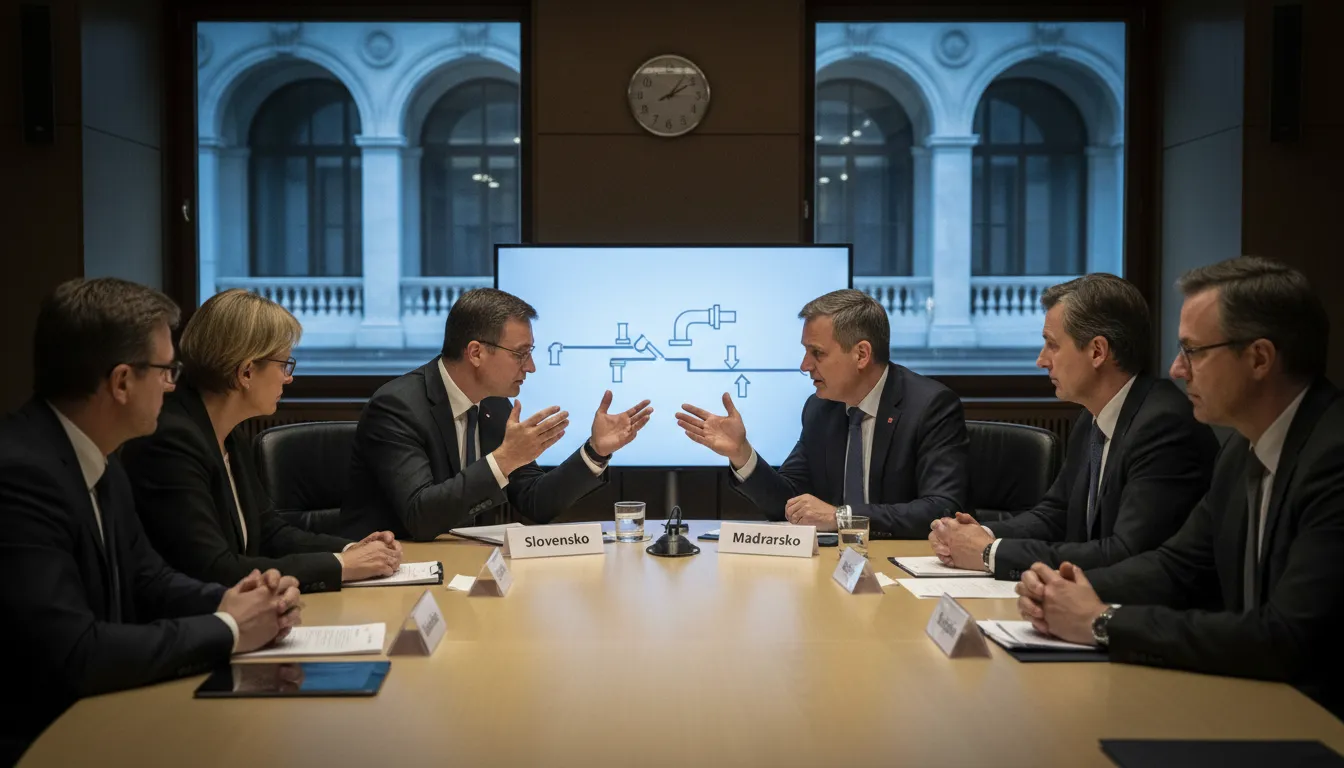
European Union ambassadors met in Brussels on Thursday, February 20th, to discuss the 20th package of sanctions against Russia. Approval is scheduled ahead of the EU foreign ministers' meeting on February 23rd — four years after the start of the Russian invasion of Ukraine. However, the vote has been complicated by the disagreement of Slovakia and Hungary.
Both countries have invoked a so-called general reservation regarding the sanctions package — conditioning their approval on maintaining access to Russian oil via the Druzhba pipeline. Supplies via Ukraine were interrupted on January 27th after Kyiv accused Russia of damaging infrastructure with drone attacks. Bratislava and Budapest are seeking guarantees that supplies will be restored before they give the green light to new sanctions.
Fico Accuses Kyiv of Deliberate Blockade
Slovak Prime Minister Robert Fico has suggested that Ukraine is deliberately delaying the resumption of oil supplies in order to put pressure on Bratislava and Budapest in votes on European issues. Slovakia and Hungary responded on February 18th with a joint move — suspending diesel exports to Ukraine until Druzhba supplies are restored.
In parallel, Hungary has asked Croatia to pump Russian oil through its pipeline network as an alternative route. Croatia has agreed, provided that the procedure is in accordance with EU and US law.
What the 20th Sanctions Package Contains
The new sanctions package focuses on several key areas:
- A complete ban on maritime services for tankers in Russia's shadow fleet — the package adds 43 new vessels to the sanctions list,
- Restrictions on banks in third countries that help Russia circumvent sanctions,
- Restrictions on trading in Russian cryptocurrencies,
- Sanctions against ports in Indonesia and Georgia, serving as transshipment points for Russian oil.
Opposition Not Just From Bratislava and Budapest
The proposals for a maritime ban initially sparked opposition from traditional EU maritime powers — Malta, Cyprus, Greece and Spain. These countries insisted on coordination with the G7 group before taking unilateral action, arguing that otherwise Chinese and Indian companies would simply take over the trade from European shipping companies, rendering the sanctions ineffective. However, a Maltese diplomat indicated a breakthrough on February 19th:
"Our current position is that we are satisfied with the proposal as it is presented."
In addition, Hungary demanded the removal of some Russian sports officials from the sanctions list, further complicating negotiations.
Time Pressure Before Fourth Anniversary of Invasion
Approval of the package has particular symbolic significance — EU leaders plan to visit Kyiv on February 24th to mark the fourth anniversary of the Russian invasion. EU foreign policy chief Kaja Kallas has been putting intense pressure on for the swift adoption of sanctions, warning that failure would send a very bad signal to Ukraine at a time when a peace process is being discussed.
Despite the difficulties, European diplomats remained optimistic that the package would eventually pass. EU rules require unanimity of all 27 member states for sanctions to be approved — a veto by a single country is therefore enough to block the entire package. Brussels is meanwhile exploring ways to bypass the need for unanimity in some areas in the future, with the case of Slovakia and Hungary further fueling this debate.