US Housing Market Thaws as Rates Near 6% and Inventory Rises
The US housing market is showing signs of recovery as mortgage rates approach their lowest levels since 2022, inventory climbs to a five-year high, and home price growth decelerates — offering buyers their best window in years.
A Turning Point for Buyers
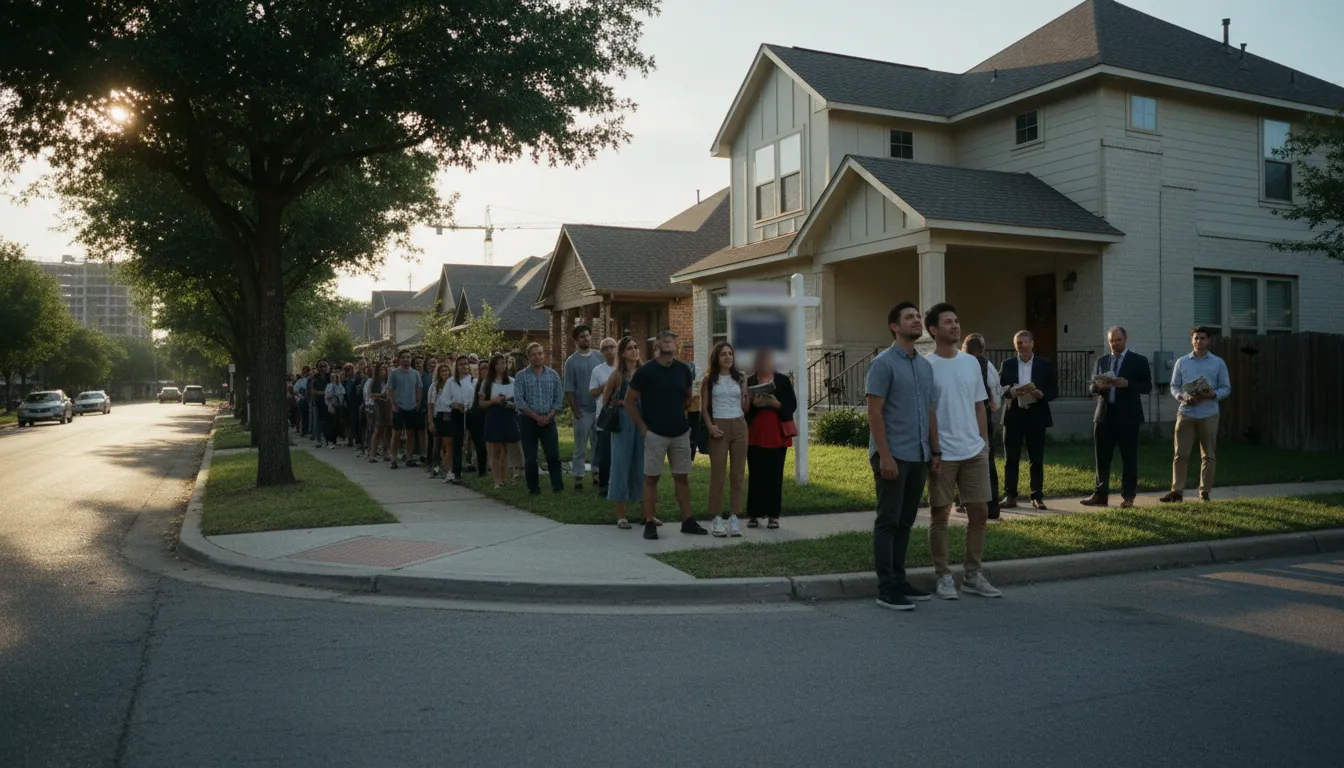
After years of sky-high mortgage rates and dwindling inventory, the US housing market is finally shifting in favor of buyers. The 30-year fixed-rate mortgage dipped to 5.99% in late February 2026 — its lowest level since 2022 — before settling at 6.22% in mid-March, according to Freddie Mac. Combined with rising inventory and slowing price growth, analysts say the market is entering its most balanced phase in nearly a decade.
Mortgage Rates on a Downward Trajectory
Fannie Mae's Economic and Strategic Research Group forecasts rates will end 2026 at approximately 5.9%, declining roughly 10 basis points per quarter. While still well above the sub-3% pandemic-era lows, the trend marks a significant improvement from the 7%-plus peaks of late 2023.
The Mortgage Bankers Association projects rates will hold in the low-to-mid 6% range through most of the year, with Wells Fargo predicting a floor around 6.1% in Q1. The gradual decline is already spurring activity: Fannie Mae expects total home sales to reach 5.16 million in 2026, with the refinance share rising from 26% to 35%.
Inventory Recovery Gives Buyers Options
Perhaps the most consequential shift is on the supply side. Active listings rose 10% year over year by January 2026, reaching their highest level since 2020, according to ResiClub Analytics. Nearly half of the 200 largest metro areas have returned to pre-pandemic inventory levels.
New listings are surging seasonally as well, with one early-spring week recording over 50,000 new listings — up 9.7% year over year and among the strongest showings since before the pandemic. Using National Association of Realtors month-supply data, the market is the most balanced it has been in almost a decade.
Price Growth Cools Dramatically
National home price appreciation has slowed sharply. According to Cotality (formerly CoreLogic), year-over-year growth eased to just 0.7% in January 2026, down from 3.5% at the start of 2025. J.P. Morgan's research team projects home prices could stall at 0% growth nationally this year.
This deceleration, combined with expected 4% income growth, is meaningfully improving affordability. Zillow projects that homes will be affordable in 20 of the 50 largest metros by December — the most since 2022 — with Chicago, Atlanta, and Raleigh newly joining the list.
A Tale of Two Markets
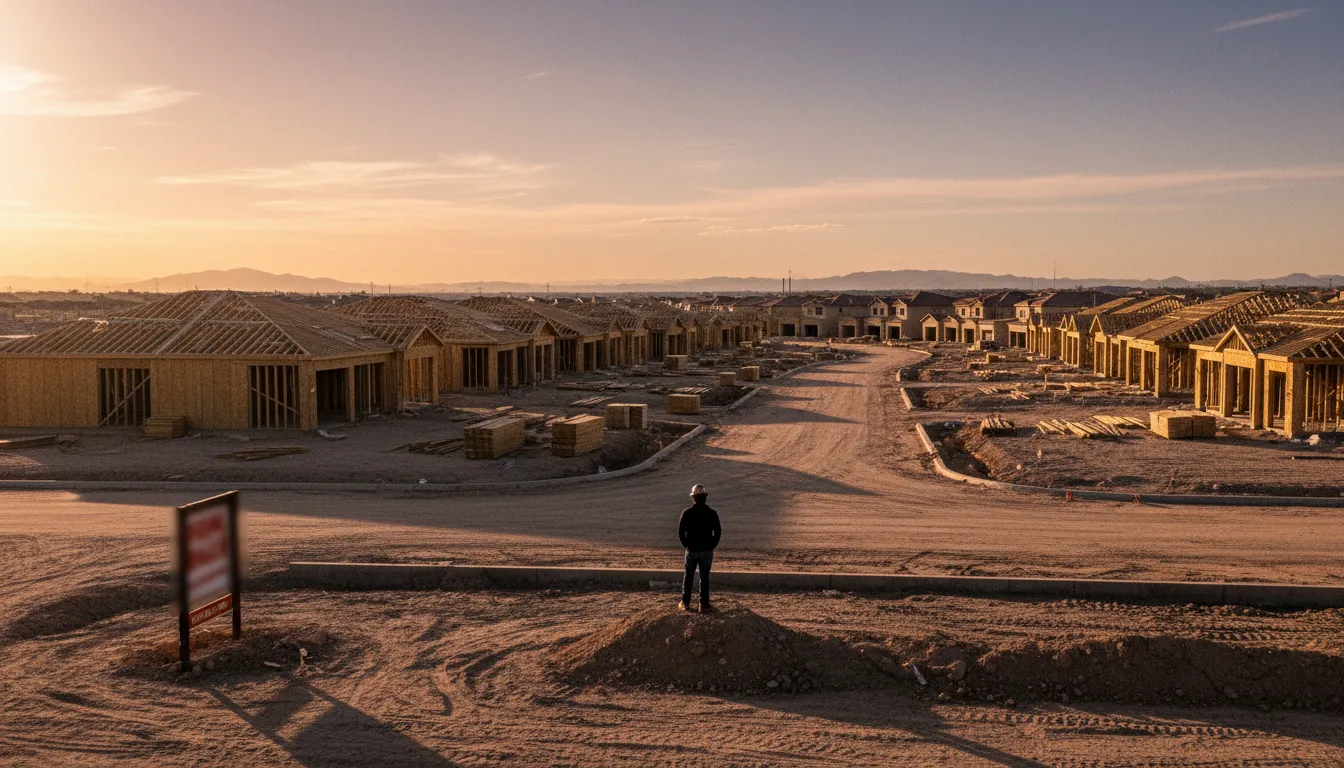
Regional divergence remains stark. The Midwest and Northeast continue to outperform, led by New Jersey (+5.6%), Connecticut (+5.3%), and Illinois (+4.9%). Meanwhile, the Sun Belt and West Coast are experiencing outright price declines, driven by a post-pandemic construction glut. Florida leads the losses at -2.36%, followed by Colorado (-1.31%) and Utah (-1.11%).
This two-speed dynamic means the "buyer's market" narrative depends heavily on geography. Coastal metros like San Francisco and New York retain significant price premiums, though outward migration to more affordable mid-sized cities continues to reshape demand patterns.
Window of Opportunity — With Caveats
For buyers sidelined during the rate shock of 2023–2024, conditions are undeniably improving. But economists caution against expecting a dramatic correction. Rates remain historically elevated, and structural undersupply — particularly in the Northeast — will continue to support prices in many markets. The consensus: 2026 offers the best buying conditions in years, but not a return to the easy affordability of the pre-pandemic era.