US Spring 2026: Rates Tick Up, Affordability Hits 4-Year High
Mortgage rates edged up to 6.11% in mid-March 2026, yet housing affordability reached its best level since March 2022 as slowing price growth and rising incomes give buyers renewed leverage after years of market strain.
A Turning Point for American Homebuyers
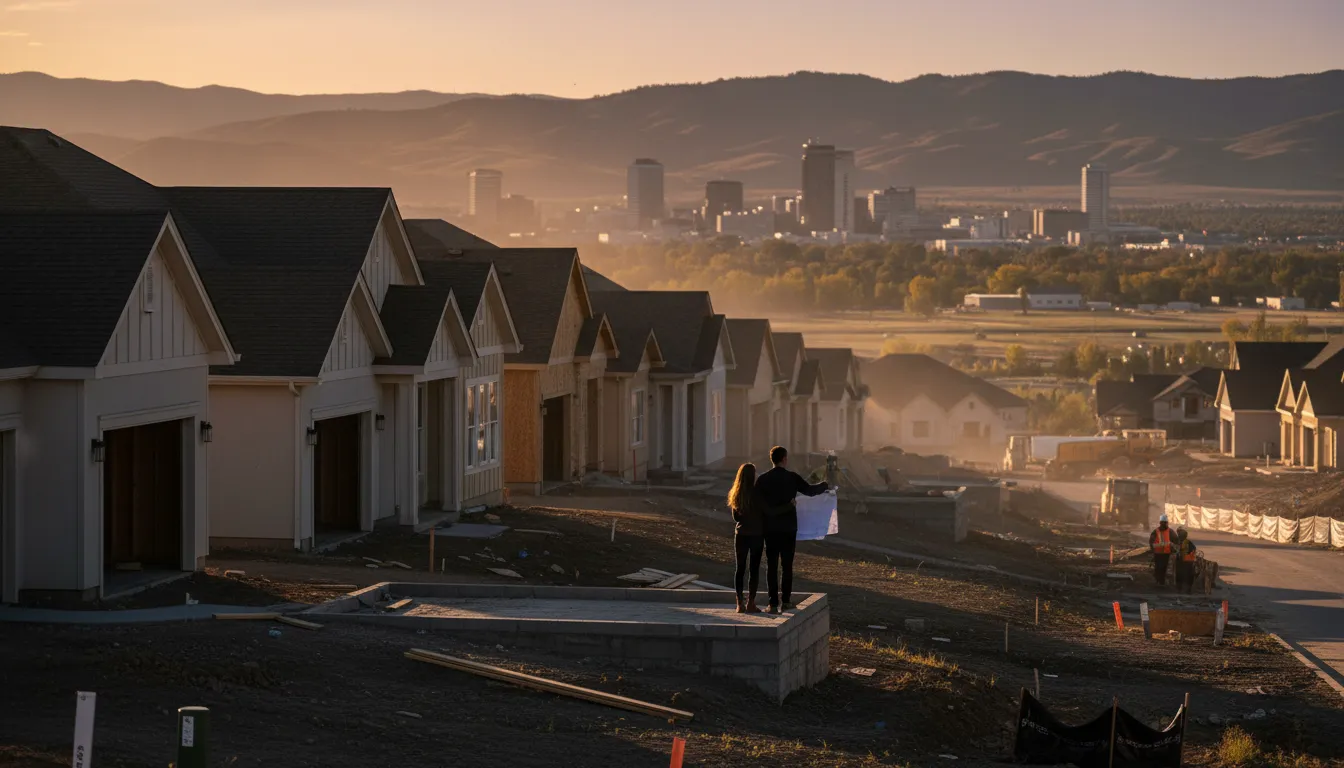
For the first time in years, the American housing market is tilting toward buyers. The average 30-year fixed-rate mortgage climbed slightly to 6.11% in the week ending March 12, 2026, up from 6.00% the week prior, according to Freddie Mac's Primary Mortgage Market Survey. Yet despite the uptick, affordability has quietly surged to its highest point since March 2022 — a milestone that is reshaping the spring selling season.
Affordability Breakthrough
A median-income U.S. household can now comfortably afford a home priced at $331,483 with a 20% down payment — roughly $30,000 more purchasing power than a year ago, according to a Zillow analysis. The National Association of Realtors' Housing Affordability Index has now climbed for seven consecutive months.
The math behind this improvement is straightforward: while mortgage rates remain elevated by historical standards, they have fallen more than half a percentage point compared to the same period last year, when the 30-year rate averaged 6.65%. Meanwhile, wages have risen 3.7% year-over-year in January — more than triple the pace of home-price appreciation.
Price Growth Grinds to a Near-Halt
Home values, which surged at double-digit annual rates during the pandemic boom, are now barely moving. The median U.S. home sale price rose just 1.1% year-over-year in January 2026 to $422,921, down sharply from the 4.1% annual gain recorded a year earlier, according to Redfin data. The typical home sold for 2.1% below its final list price in January — the steepest January discount since 2023 — and only 20.8% of homes sold above asking price, the lowest share for any January since 2020.
"With far more homes for sale than people who want to buy them, buyers in the market have the power to negotiate," Redfin economists noted, adding that this dynamic is keeping a natural ceiling on price gains.
Inventory Surge Reshapes the Balance of Power
National active listings climbed 10% year-over-year through January, according to ResiClub Analytics. Across much of the Sun Belt and Mountain West, available inventory has returned to or surpassed pre-pandemic 2019 levels. The shift is dramatic: sellers now outnumber serious buyers by an estimated 600,000, reversing a years-long squeeze that had locked millions of Americans out of homeownership.
Early spring listings are also surging. New listings jumped 29% week-over-week and nearly 10% year-over-year in late February — one of the strongest early-season listing weeks in recent memory. Existing-home sales responded positively, rising 1.7% in February, a sign that lower prices and improved affordability are beginning to draw buyers off the sidelines.
A Caution: Construction Headwinds
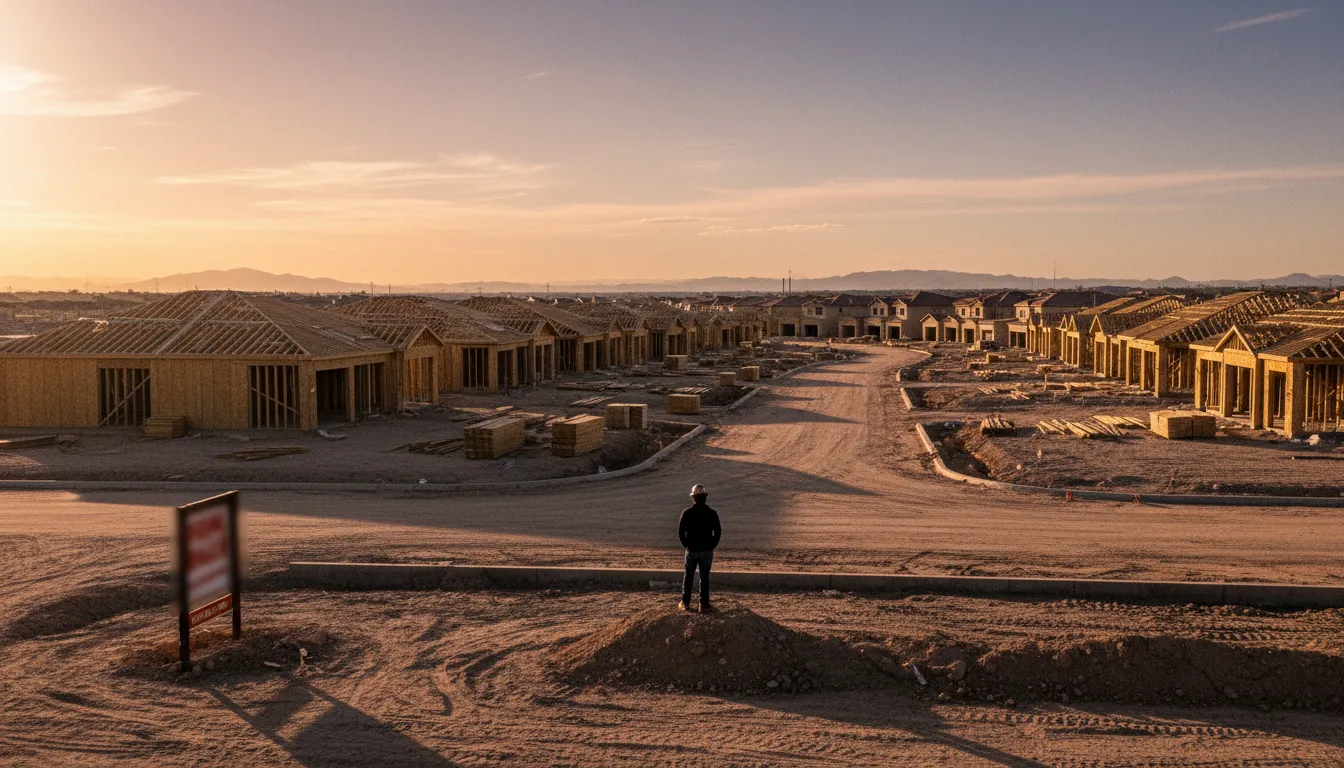
Not all signals are positive. Building permits, while still at 1.52 million units annualized — their highest since early 2024 — face uncertainty tied to tariff-driven materials costs and labor market constraints. A sustained decline in new construction could limit supply gains and put renewed upward pressure on prices later in the year. Analysts at HousingWire warn that affordability improvements could stall if mortgage rates climb above 6.5% or if inventory growth plateaus.
The Outlook: Cautious Optimism
Zillow projects that 20 major metropolitan areas will be considered affordable for median-income households by year-end — the most since 2022. For now, spring 2026 marks a genuine, if fragile, reprieve for buyers. After years of being priced out, sidelined, and outbid, American homebuyers are finally entering a market that is, inch by inch, working in their favor.