Fico Conditions Ukraine's EU Accession on Druzhba Pipeline Restart
Slovak Prime Minister Robert Fico has threatened to block Ukraine's path to EU membership unless Russian oil transit via the Druzhba pipeline is restored. The dispute with Kyiv and tensions with Berlin are escalating ahead of the EU summit in March.
Spark of Contention: Drone and Pipeline
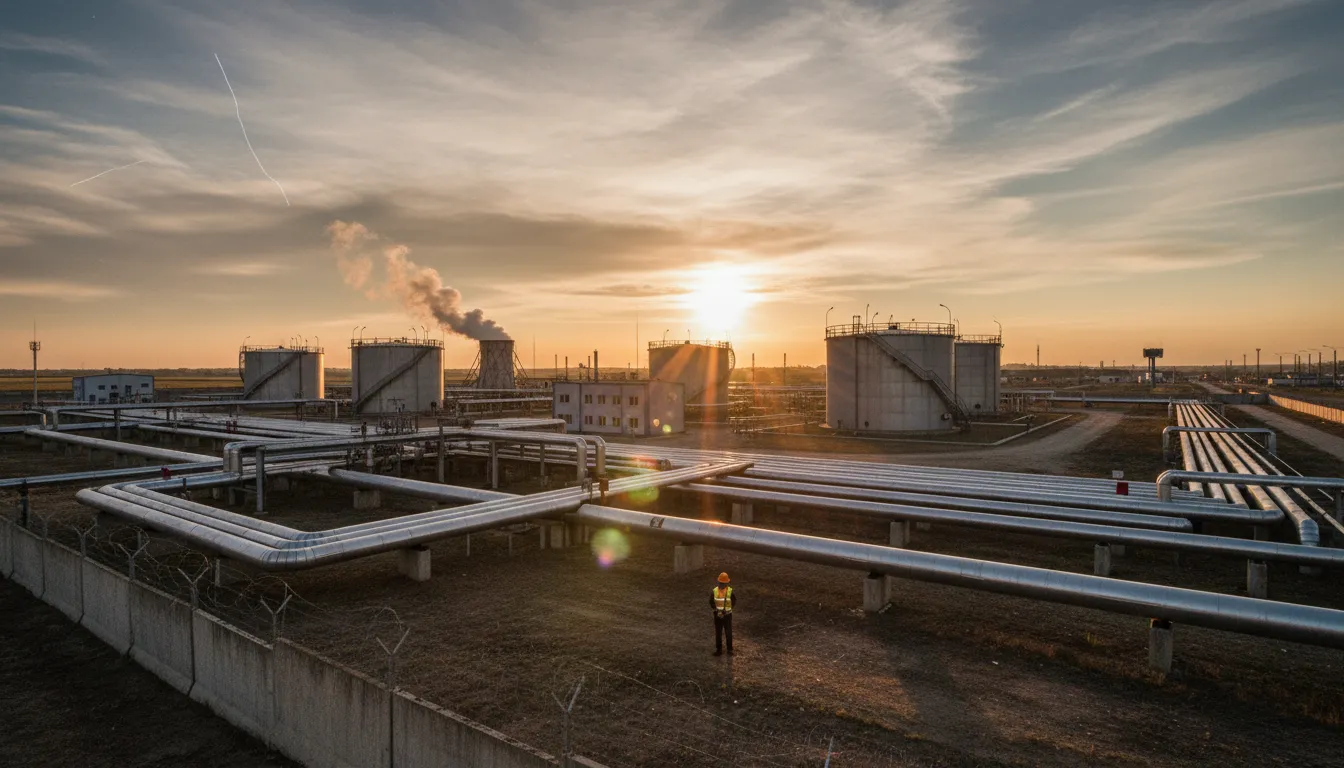
The crisis began on January 27, 2026, when a Russian drone attack damaged oil infrastructure near the Ukrainian Brody pumping station. Since then, no oil has flowed through the southern branch of the Druzhba pipeline to Slovakia or Hungary. Ukraine claims the damage is extensive and repairs would take at least six weeks under the current conflict conditions – and would only be possible after a ceasefire. Bratislava and Budapest, on the other hand, argue that the pipeline is technically functional and that Kyiv is exploiting the situation politically.
Ukraine's EU Accession: A New Bargaining Chip
Prime Minister Robert Fico has escalated diplomatic pressure on Brussels and Kyiv by conditioning support for Ukraine's European ambitions on the resumption of oil supplies. According to reports from Reuters and Euronews, Slovakia reserves the right to withhold support for Ukraine's accession to the European Union if Russian oil transit via Druzhba is not restored. Fico also indicated that Slovakia could "take over the baton" from Hungary and block the EU's €90 billion loan package for Ukraine.
At the end of February, Fico issued an ultimatum to Kyiv: if oil flow was not restored by March 2, Slovakia would halt emergency electricity supplies to Ukraine. Kyiv did not meet the conditions, and Bratislava indeed cut off these supplies – a move that drew sharp international criticism.
Agreement with von der Leyen, Dispute with Merz
On the sidelines of the World Nuclear Forum, Fico met with European Commission President Ursula von der Leyen. Both agreed that oil transit through Ukraine should be restored as soon as possible, and the Commission offered technical and financial assistance to repair the damaged infrastructure. Despite this glimmer of pragmatism, relations between Bratislava and Berlin remain strained. German Chancellor Friedrich Merz threatened to suspend EU funds for Slovakia and Hungary, which Fico resolutely rejected – stating that Slovakia is not a "small pupil" and will not accept dictates from abroad. SNS chairman Andrej Danko even compared Merz's threats to the practices of the Third Reich.
Fico also calls for the EU to be given a mandate to negotiate directly with Russia to end the war. "If the European Union were given a mandate to conclude a peace agreement, I would vote for it with both hands," he declared on March 15, 2026.
Energy Dependence: Long-Term Vulnerability
Slovakia is among the most energy-vulnerable countries in the EU. Five to six million tons of oil flowed annually through Druzhba, and the Slovnaft refinery is technologically optimized to process the Russian Urals type. Reverse flow through the TAL pipeline can only cover about 1.5 million tons per year – roughly a quarter of the actual need. Meanwhile, the European Commission has set a commitment to end imports of Russian fossil fuels by the end of 2027. Neighboring Czechia disconnected from Druzhba by expanding the capacity of TAL in March 2025, but Slovakia has not yet taken this strategic step.
EU Summit as a Trial by Fire
The issue of Druzhba and the Slovak-Ukrainian energy crisis will be a central topic of the European Council summit in Brussels on March 19-20, 2026. The outcome will determine whether Fico's threat to Ukraine's European perspective remains just a negotiating position or turns into a concrete diplomatic step with far-reaching consequences for relations within the entire Union.