Oil Crisis: Slovakia and Hungary to Build New Product Pipeline
Slovakia and Hungary have signed an agreement to construct a 127-kilometer pipeline between the Slovnaft refinery in Bratislava and the Hungarian MOL. The project, slated for completion in the first half of 2027, is a direct response to the disruption of oil transit via the Druzhba pipeline and a sharp rise in prices triggered by the US-Iranian conflict.
Disruption of Druzhba Pipeline Sparks Crisis
Since January 27, 2026, when a Russian drone attack damaged pipeline infrastructure near the Ukrainian oil hub of Brody, oil flow to both Slovakia and Hungary via the Druzhba pipeline has ceased. The Slovak government immediately declared a state of oil emergency, with the Slovnaft refinery halting fuel exports to Ukraine and redirecting supplies exclusively to the domestic market. Despite urgings from both governments, Kyiv has not restored the pipeline – citing political reasons according to Budapest and Bratislava, and ongoing damage from Russian attacks according to Kyiv.
New 127-Kilometer Pipeline as a Permanent Solution
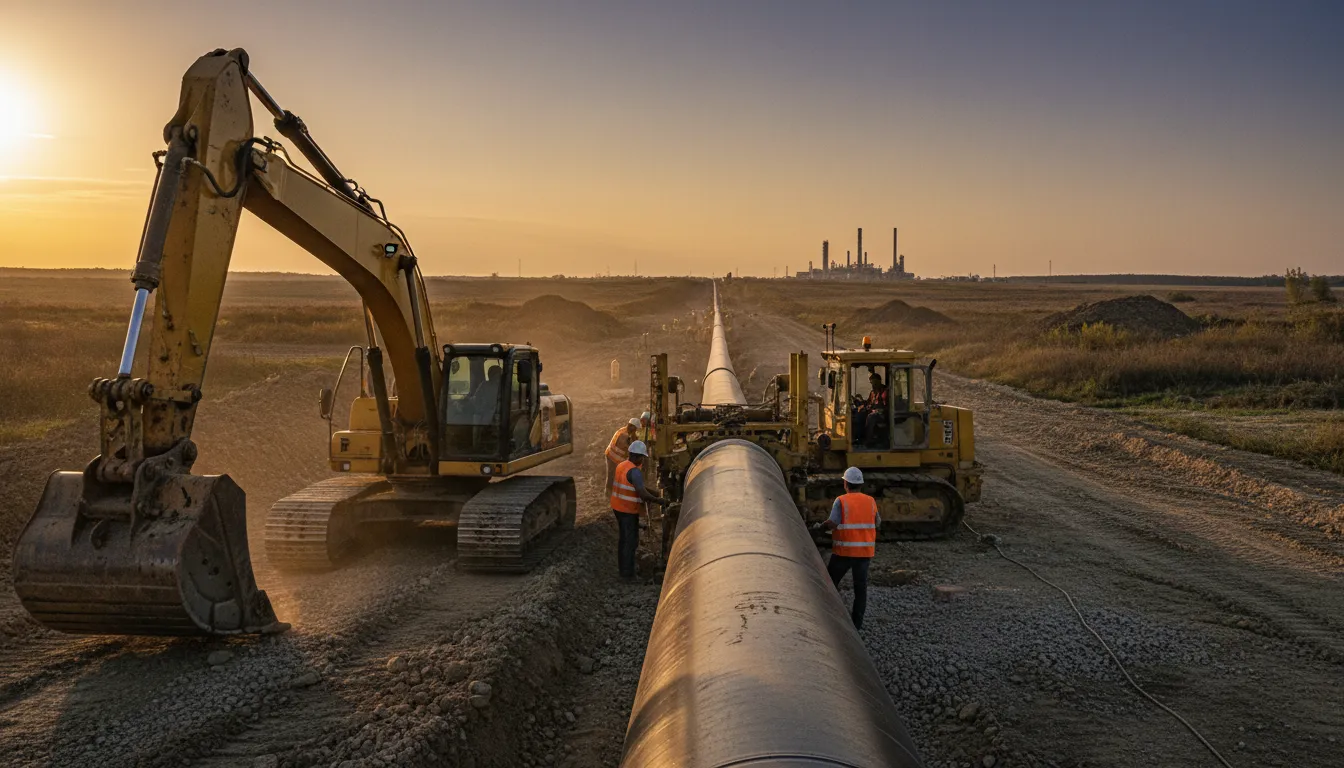
After weeks of diplomatic tension, a breakthrough announcement came on March 16, 2026: Hungarian Foreign Minister Péter Szijjártó and Slovak Economy Minister Denisa Saková signed an agreement to build a 127-kilometer pipeline connecting the Slovnaft refinery in Bratislava and MOL in Százhalombatta. The new pipeline will transport up to 1.5 million tons of petroleum products annually – primarily diesel and gasoline – and is expected to be operational in the first half of 2027.
Szijjártó described the project as protection against the "blackmail" both states are currently experiencing. The pipeline will allow for the flexible transfer of fuels between refineries according to current market needs and reduce both countries' dependence on unstable transit routes.
Croatian Adria: Expensive Substitute
Until the new infrastructure is built, Slovakia and Hungary are reliant on the Adria pipeline through Croatia. The Croatian side charges fees for access to its network three times higher than the European average. Both states have filed a joint complaint with the European Commission. Meanwhile, Ukrainian officials have proposed using the Odesa–Brody route as another alternative to the EU, but even this option cannot replace the capacity of Druzhba in the long term.
Iranian Conflict Drives Oil Above $100
The oil crisis has been further exacerbated by the US-Iranian conflict. Following joint US-Israeli strikes in late February 2026, Iran has threatened to close the Strait of Hormuz, through which about a fifth of global oil supplies pass. The price of Brent crude has jumped from around $70 to over $110 per barrel, with futures approaching $120 according to Bloomberg – the highest levels since 2022. The global energy shock has thus hit both key commodities simultaneously: oil and natural gas.
Duslo Šaľa Limits Ammonia Production
The consequences of the energy shock are also being felt by Slovak industry. The chemical factory Duslo Šaľa, Slovakia's largest fertilizer producer, has reduced ammonia production to a technical minimum. Natural gas here functions not only as an energy source but also as a key raw material – when its price exceeds the price of the finished product, production ceases to be profitable. The company's management is currently ruling out layoffs, but warns that the situation could worsen further if the conflict persists.
Fico's Ultimatum and Negotiations with Merz
Prime Minister Robert Fico has given partners an ultimatum: he demands a solution by Tuesday. He is also referring to negotiations with German Chancellor Friedrich Merz on the gradual phasing out of Russian fossil fuels from European energy. The EU has set a target to end its dependence on Russian fossil fuels by 2028 – a deadline that the Slovak government views with reservation. The new 127-kilometer pipeline thus represents a pragmatic compromise: energy stability that bypasses unstable transit areas, but leaves long-term questions about source diversification unanswered.