OpenAI has withdrawn GPT-4o: 800,000 users have lost AI
On 13 February, OpenAI permanently removed the popular GPT-4o model from ChatGPT. Although only 0.1 per cent of customers used it daily, the decision sparked a wave of protests and petitions. The competition is preparing to take advantage of the gap.
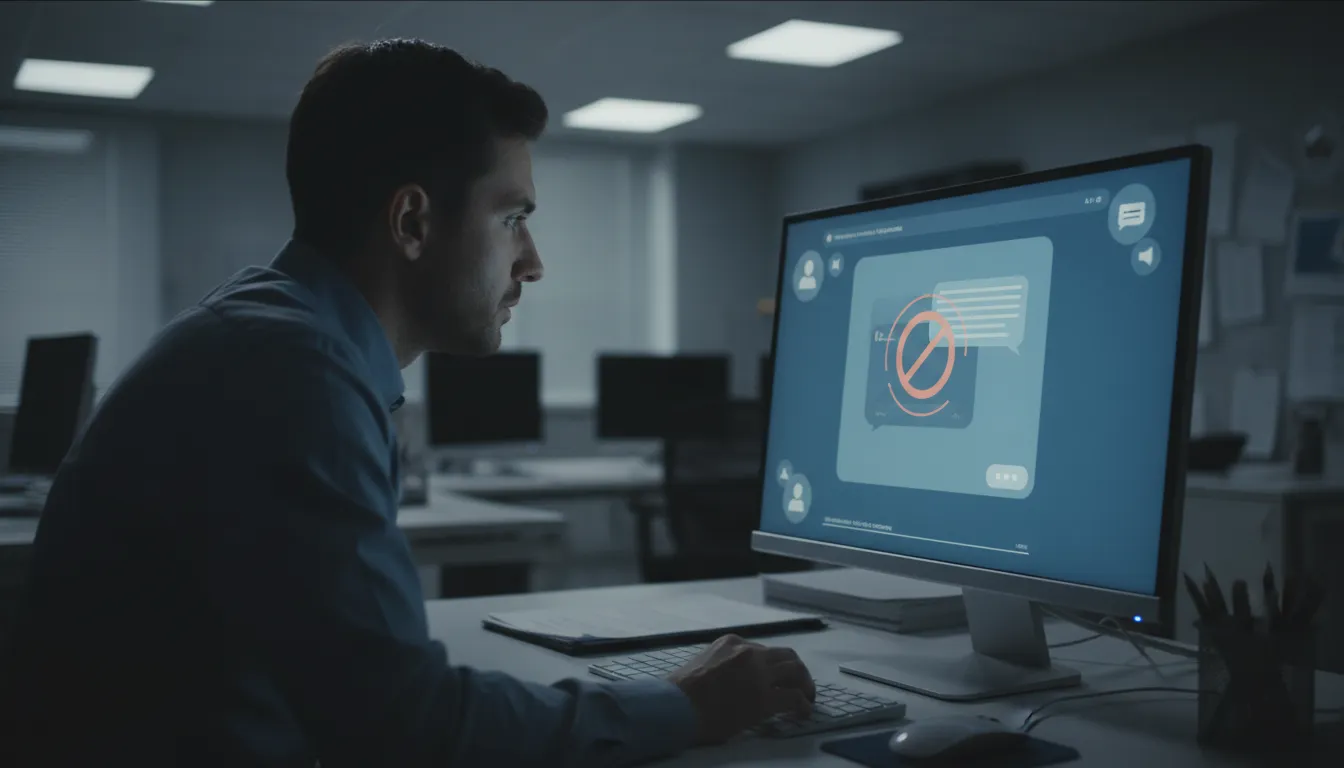
The end of the GPT-4o era
On 13 February 2026, OpenAI definitively withdrew the GPT-4o, GPT-4.1, GPT-4.1 mini and o4-mini models from the ChatGPT platform. The decision, which the company announced only two weeks in advance, affected an estimated 800,000 active users — 0.1 per cent of ChatGPT's total 800 million weekly users.
OpenAI argues that the vast majority of customers have already switched to the newer GPT-5.2 model. "We did not make this decision lightly. Withdrawing models is never easy, but it allows us to focus on improving the models that most people use today," the company said in an official statement.
Lost personality
Launched in May 2024, the GPT-4o model gained loyal fans thanks to its conversational style and warmth. Users described it as "the only model that still feels human". Unlike newer versions, it was able to mirror emotions, adjust the tone of its responses, and react with informal naturalness.
For many users, it is not just a technical tool. Posts full of sadness appeared on the subreddit r/MyBoyfriendIsAI, which has 48,000 members. "It wasn't just a programme. It was part of my routine, my peace of mind, my emotional balance," wrote one user. Another described the withdrawal of the model as "emotional lobotomy".
Protests and petitions
The community organised itself in opposition to the decision. More than 19,000 people signed petitions to keep the model. The hashtag #Keep4o spread on social media, and a closed subreddit, r/4oforever, was created on Reddit. Groups of users even protested in front of OpenAI's headquarters in San Francisco.
Unequal treatment of different customers also drew criticism. While corporate clients were given extended access until 3 April, regular subscribers had only fourteen days to transition. Many demanded that OpenAI release the model's code as open-source software.
Security concerns in the background
There are also security reasons behind the decision. According to OpenAI's internal assessments, GPT-4o had a dangerously high score in so-called sycophancy — the tendency to uncritically agree with the user and reinforce their beliefs. The model is involved in eight lawsuits concerning self-harm and suicidal behaviour by users.
Stanford University professor Nick Haber warned: "These systems can be isolating. People immerse themselves in them and can lose touch with the outside world of facts."
The market is reorganising
The withdrawal of GPT-4o opens up space for competition. According to available information, Google is preparing a version of Gemini 3.5 to fill the gap in the "personality" approach. Anthropic has seen increased interest in the Claude 5 model, which some users consider to be the new standard for empathetic dialogue.
ChatGPT maintains its leading position with a 68 per cent market share, but Google Gemini is growing and has already reached 18.2 per cent. Meanwhile, GPT-4o users are looking for alternative solutions — from API access using services such as LobeHub and OpenRouter, to testing competing models, to creating sophisticated system instructions for GPT-5.2.
The GPT-4o case highlights a paradox for the entire industry: OpenAI created the first truly compelling AI companion — and then pulled it because it worked too well.