Poland Slashes VAT on Fuel to 8% in Tusk's 'CPN' Package
Prime Minister Donald Tusk has announced an anti-crisis package dubbed "CPN," which includes a reduction in VAT on fuel from 23% to 8% and a cut in excise duty to the EU minimum. Prices at the pump are expected to fall by around 1.20 zł per liter.
Government Responds to Record Fuel Prices with Tax Measures
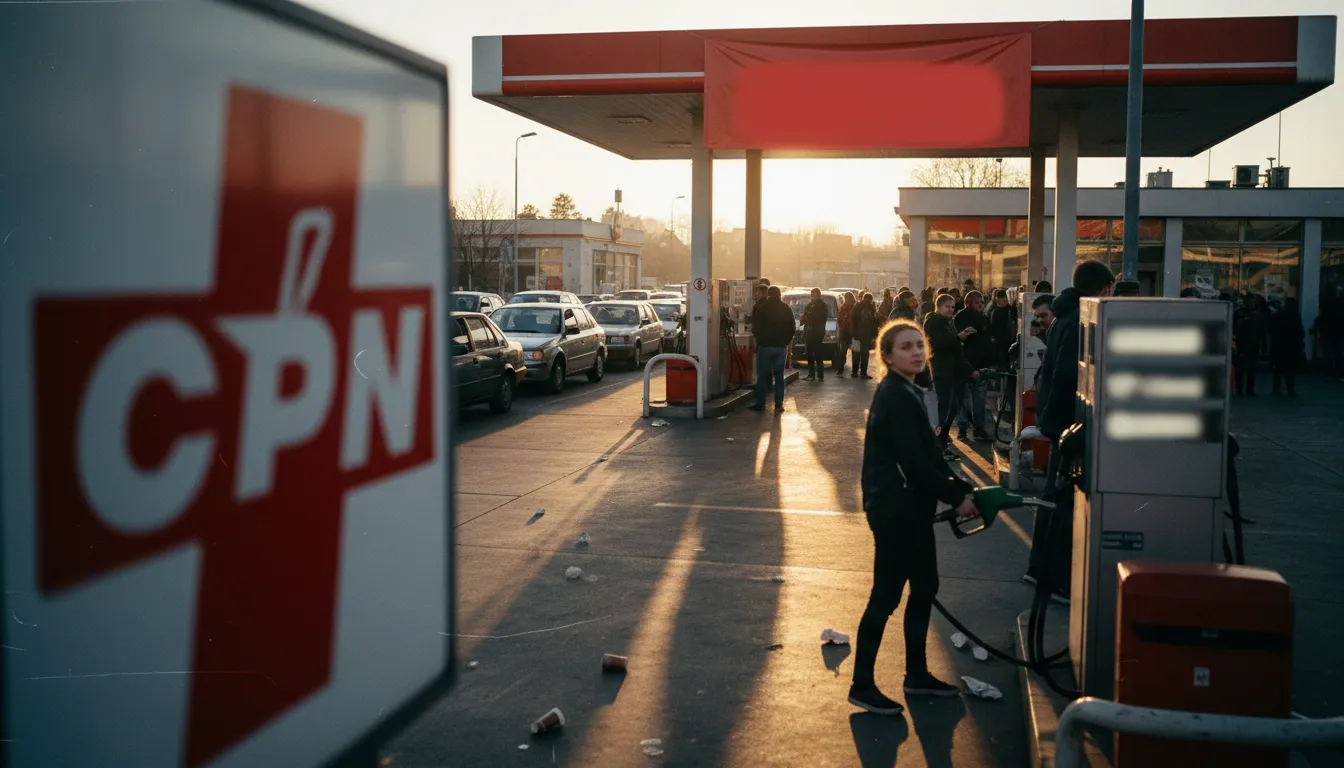
Prime Minister Donald Tusk announced on March 26, 2026, a package of emergency measures codenamed "CPN – Lower Fuel Prices", designed to provide relief to drivers facing record-high prices at gas stations. The key element is a reduction in the VAT rate on fuel from 23% to 8%, as well as a cut in excise duty on gasoline and diesel to the minimum required by EU regulations.
The decision was made after an extraordinary government meeting convened in response to a sharp rise in oil prices triggered by military operations by the US and Israel against Iran and the blockade of the Strait of Hormuz – a crucial transport route for approximately 20% of global oil and liquefied gas supplies.
What Does the CPN Package Include?
In addition to the VAT reduction, the package includes several complementary mechanisms:
- Excise Duty Reduction – by 29 groszy per liter of gasoline and 28 groszy per liter of diesel
- Maximum Price – a daily retail limit set by the Minister of Energy based on average wholesale prices and minimum operating costs
- Windfall Tax – levied on fuel companies benefiting from high commodity prices
Tusk announced that the combined effect should lower prices at the pump by approximately 1.20 zł per liter. At the same time, the Prime Minister ruled out the introduction of fuel sales limits, opting for tax mechanisms instead of rationing.
Record Prices and Scale of the Crisis
The context of the decision is dramatic. Diesel in Poland has reached a record 8.69 zł per liter, surpassing the previous peak from 2022. Gasoline Pb95 cost an average of 7.14 zł, and Pb98 – 7.89 zł per liter. Energy Minister Miłosz Motyka described the situation as "the biggest crisis in the oil market in over 50 years."
The price of Brent crude exceeded $107 per barrel, and combined with the dollar exchange rate at around 3.70 zł, Poland found itself in a particularly difficult situation – the effect of a price "perfect storm" hitting both households and the transport sector.
Cost to the Budget and Sources of Funding
Finance Minister Andrzej Domański estimated the monthly cost of the package at approximately 1.6 billion zł – of which 900 million zł is the cost of the VAT reduction, and 700 million zł results from the excise duty reduction. "These are serious expenses from the point of view of the budget," the minister admitted, pointing, however, to the planned tax on excess profits of fuel companies as a source of funding.
Express Legislative Path
The government has planned a lightning-fast parliamentary procedure: first reading on Thursday evening, second and third readings on Friday morning, Senate deliberations on Friday afternoon – with the President's signature expected later that day. The goal is to implement the package before Easter.
However, there is no shortage of critical voices. Development Minister Katarzyna Pełczyńska-Nałęcz warned that maximum prices only work in the short term and may lead to fuel shortages. In turn, the European Commission signals that reducing VAT on fuel to 8% may be inconsistent with EU law – which casts doubt on the sustainability of this solution.
Poland is thus joining a growing group of EU countries resorting to extraordinary fiscal tools in the face of the most serious energy crisis in decades.