Slovakia Could End Oil Emergency on Wednesday
Prime Minister Fico announced that the state of emergency in the oil sector could be lifted on April 8 if Slovnaft returns the borrowed oil to the state material reserves. The refinery has already returned 65,000 tons and plans to return the remaining 40,000 tons next week.
Fico Announces End to State of Emergency
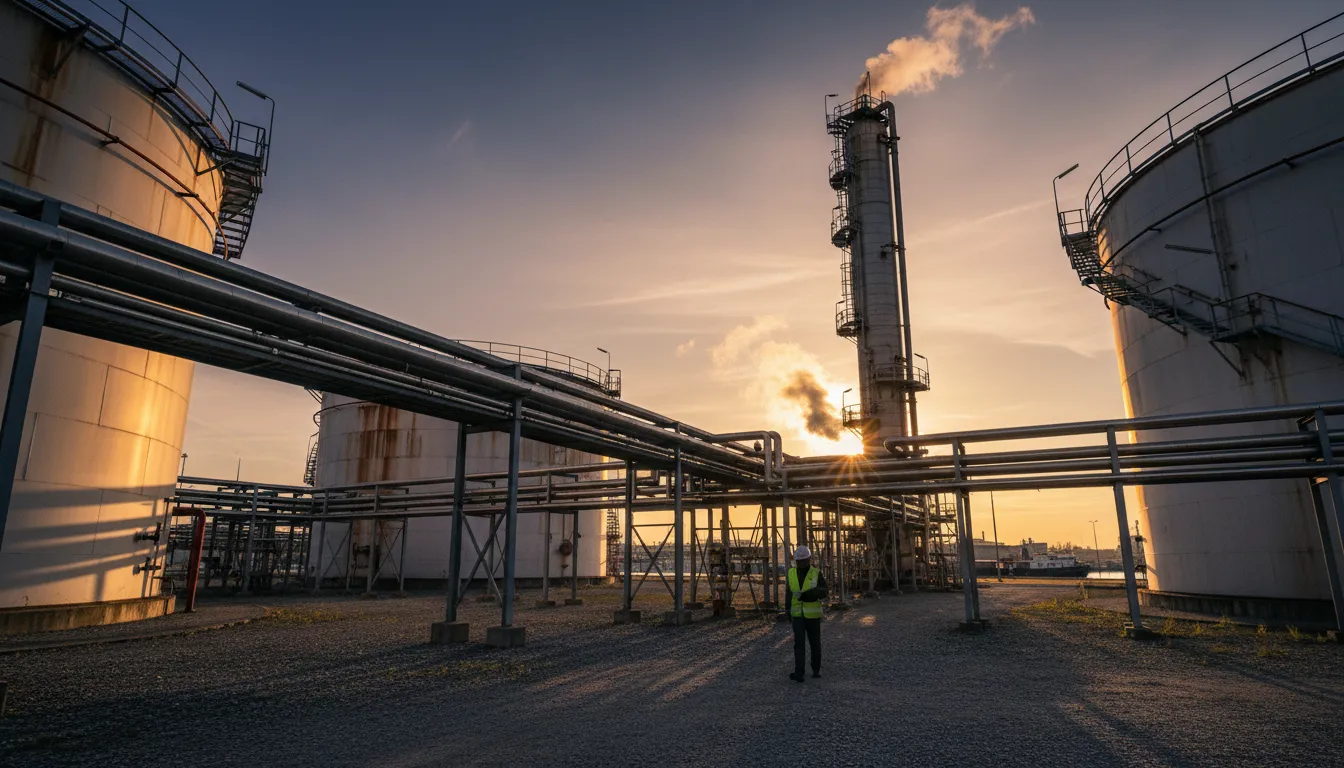
Prime Minister Robert Fico announced on Tuesday, April 1, at a briefing at the Slovnaft refinery in Bratislava that the oil emergency could be lifted as early as Wednesday, April 8. The condition is that the refinery returns the borrowed oil to the state material reserves and Slovakia again meets the obligation to have supplies for 90 days, as required by European legislation.
"When Slovnaft returns the oil to the state material reserves, we can lift the oil emergency," Fico declared in the presence of Economy Minister Denisa Saková.
The Numbers: 250,000 Tons of Oil Borrowed
The Slovak government declared a state of oil emergency in February 2026 in response to the interruption of supplies via the Druzhba pipeline in January, when a Russian drone attack damaged infrastructure near Brody in Ukraine. The government subsequently lent Slovnaft 250,000 tons of oil from the state material reserves so that the refinery could continue producing fuel.
Of this volume, Slovnaft consumed approximately 105,000 tons. The refinery's CEO, Gabriel Szabó, confirmed that they have already returned 65,000 tons to the state reserves and plan to return the remaining 40,000 tons at the beginning of next week. Slovnaft could return to full production capacity in the second half of April.
Alternative Supplies via the Adriatic
The Druzhba pipeline remains out of operation, and supplies of Russian oil via Ukraine have not been restored. Slovakia and Hungary have therefore turned to the Adria pipeline leading from Croatia as the main alternative supply route. This step allowed the refinery to gradually resume operations, although oil prices have risen by 60 percent and gas prices by 70 percent since the beginning of the crisis.
Cheap Fuel — At What Cost?
Fico emphasized at the briefing that the government had managed to prevent a sharp rise in fuel prices. According to him, gasoline in Slovakia is the fifth cheapest and diesel the fourth cheapest in the entire European Union. The government also introduced controversial dual diesel prices — higher for vehicles with foreign license plates. This measure, which the European Commission has described as discriminatory and contrary to EU law, will remain in effect until April 17.
However, the situation also has a downside. Low regulated prices discourage foreign suppliers, which, according to the SaS party, is causing diesel shortages at some gas stations. Regular diesel is missing at the pumps, while premium fuels are available.
Opposition Calls for Audit
Opposition parties reacted cautiously to Fico's statements. KDH is calling for a review of the handling of state reserves and is raising questions about the export of refinery products. Progressive Slovakia proposes reviewing tax breaks for Slovnaft and introducing a solidarity tax. Czech Prime Minister Andrej Babiš has meanwhile asked Slovakia to end the state of emergency, as the restrictions also affect Czech trucks refueling in Slovakia.
Long-term energy security remains a key issue. The oil loan is valid until September 30, 2026, but the resumption of supplies via Druzhba is nowhere in sight. Slovakia will have to diversify its oil sources and reduce its dependence on a single transit corridor.