End of Poland's Special Ukraine Law: New Rules from March 5, 2026
From March 5, 2026, Poland will end its special law for Ukrainian refugees and integrate them into the EU's temporary protection system. The changes will affect over a million Ukrainians, introducing new registration requirements, reduced benefits, and the upcoming cUKR residence card.
A Historic Shift in Polish Migration Policy
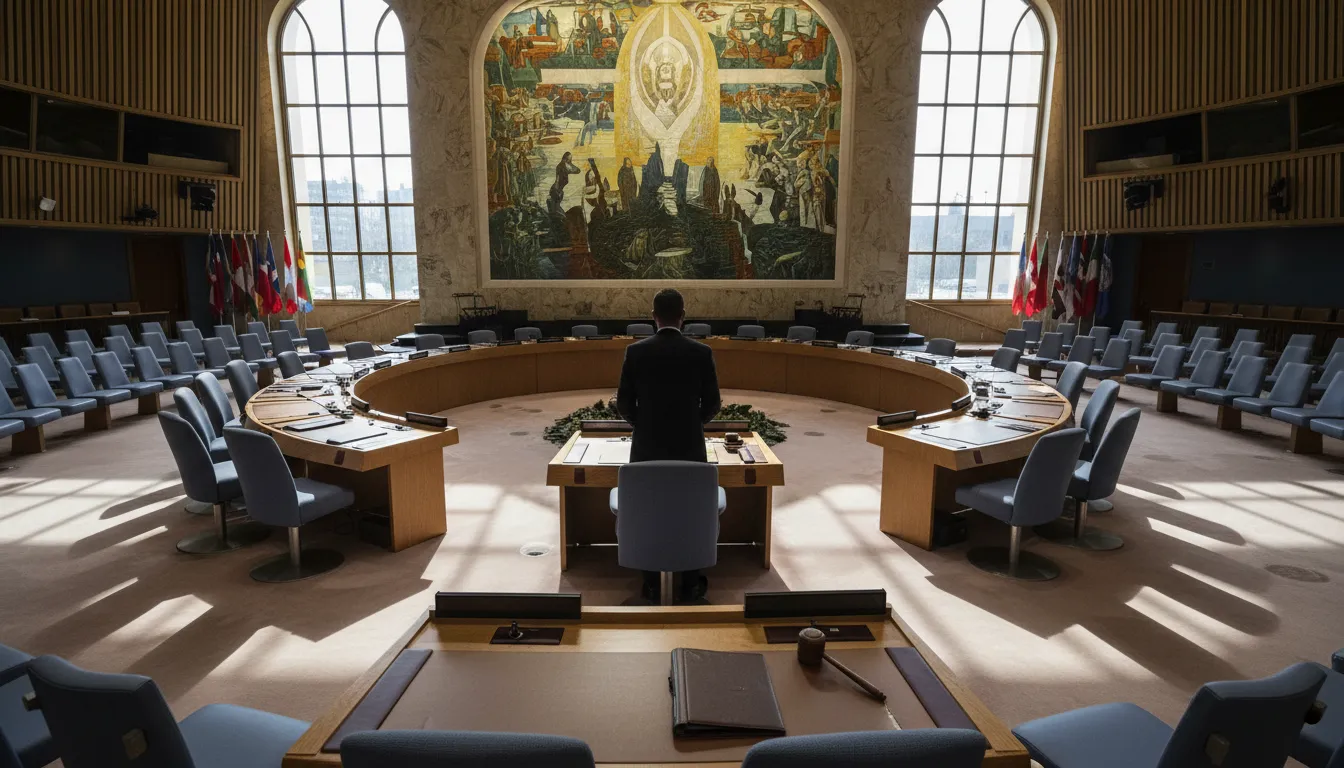
On March 5, 2026, Poland will conclude four years of its special law, which, since the outbreak of Russia's full-scale invasion of Ukraine in February 2022, has regulated the stay and rights of Ukrainian refugees. President Karol Nawrocki signed the new regulations on February 19, 2026, after the Council of Ministers approved the draft law on January 20. The special national solutions will be replaced by a uniform, EU-wide temporary protection system for foreigners.
Who Retains Status — and Under What Conditions
Ukrainians holding a PESEL number with UKR status will remain under temporary protection until March 4, 2027. The legality of their stay, right to work, and access to education will, in principle, be maintained. However, fulfilling new formal requirements is crucial.
New arrivals — Ukrainians entering Poland after March 5, 2026 — must apply for a PESEL UKR within 30 days of crossing the border. Failure to apply within this timeframe will result in automatic loss of temporary protection. Equally important is the absence clause: leaving Poland for a period exceeding 30 days will result in the loss of UKR status and its change to NUE status.
Individuals who obtained a PESEL UKR based on a declaration — without presenting a passport — have until August 31, 2026, to confirm their identity at any municipal office. After this date, their status will automatically be changed to NUE, depriving them of the rights arising from temporary protection.
Fewer Benefits, New Access Thresholds
The most significant practical changes concern social benefits and healthcare. Until now, Ukrainians under protection have benefited from free medical care on broad terms. From March 5, the right to benefits financed from the state budget will only be retained by selected groups: children, pregnant women, victims of violence, and wounded soldiers. Others will be covered by health insurance on a contributory basis, similar to Polish citizens.
The 800+ benefit will also be conditional on paying social security contributions, which de facto means a formal employment requirement. Housing support in its current form will be limited — collective accommodation will only be available in crisis mode (up to 60 days) or for particularly vulnerable groups, such as the elderly and disabled.
Employment and New Documents
Changes in the area of employment are milder. Existing work rights remain valid, but new employers will have to use standard confirmation of temporary protection on the residence card. The implementation of the cUKR residence card is planned — a three-year residence permit with a simplified electronic procedure for people with UKR status, which is expected to appear in mid-2026.
Paper certificates from the Head of the Office for Foreigners are replaced by an electronic document available in the mObywatel application as part of the Diia.pl service. PESEL UKR remains the main document confirming legal stay in Poland.
One Million People, One System
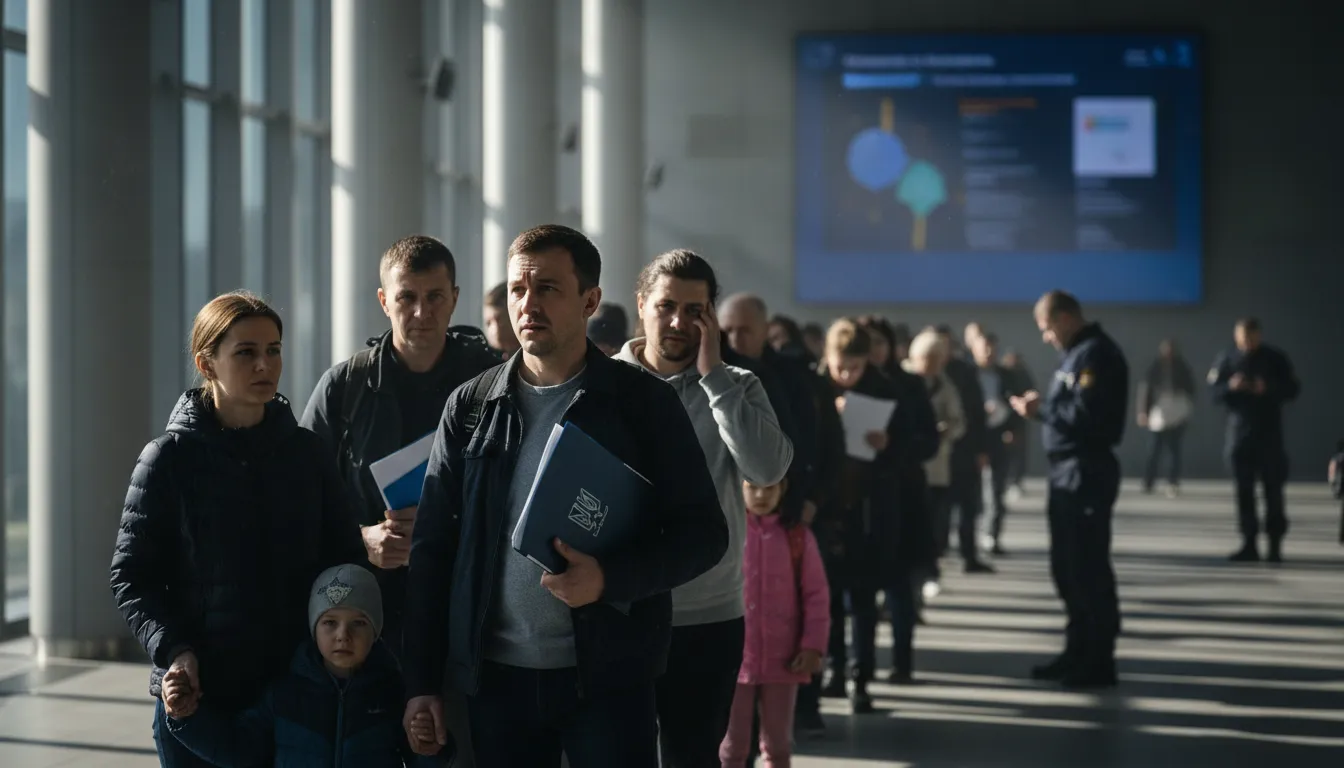
The reform covers over a million Ukrainian citizens residing in Poland — it is one of the biggest changes in the country's migration policy since the beginning of the full-scale invasion. The government justifies the reform by the need to rationalize public spending and eliminate unequal treatment of foreigners. Poland thus joins the uniform EU system applicable to other EU countries.
For refugees, this means a need for more active management of their legal status — keeping track of deadlines, registrations, and documents — under the threat of losing protection. Aid organizations are calling for a broad information campaign to ensure that none of those protected lose their status due to overlooking the new formal requirements.