Central Europe Sees Fastest Housing Price Growth in the EU
Property prices in the Visegrad Four countries, including Slovakia, are among the fastest-growing in the entire EU. Bratislava's price increases are outpacing wage growth, the supply of new apartments is not meeting demand, and housing affordability is becoming a key political issue.
Central Europe Leads in Real Estate Price Growth
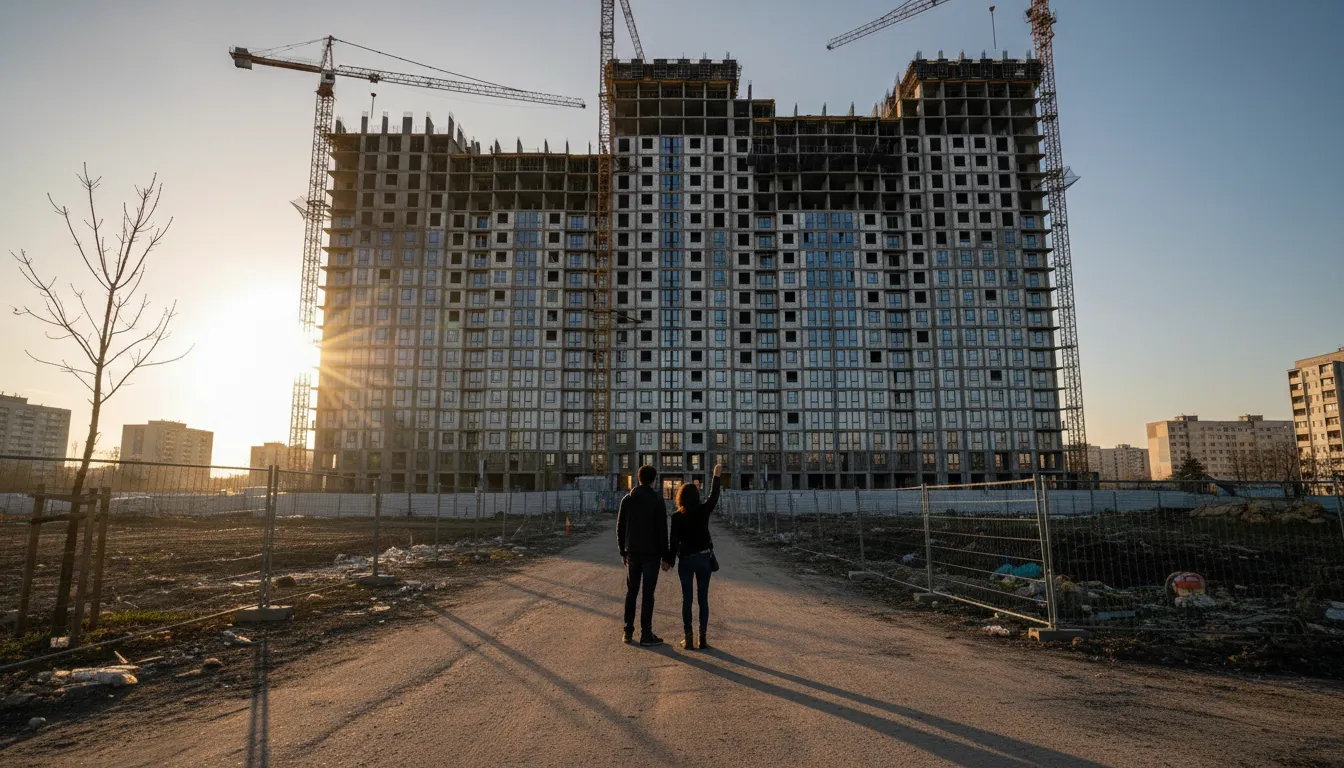
Apartment prices in the Visegrad Four countries — Slovakia, Czech Republic, Hungary, and Poland — are among the fastest-growing in the entire European Union. According to Eurostat data, property prices in the Eurozone and beyond continued to rise during the third quarter of 2025, with Hungary recording a year-on-year price increase of 15.1 percent — one of the highest in the entire Union. Slovakia, with a growth of 11.3 percent, ranked among the six countries with the most dynamic price increases.
In the long term, the picture is even more pronounced. Since 2010, property prices in Hungary have increased by more than 277 percent, in the Czech Republic by 155 percent, and in Slovakia and Poland by approximately 105 percent. The Czech Republic and Hungary recorded nominal growth exceeding 200 percent in the decade 2014–2024, which is several times higher than the EU average of 50 percent.
Bratislava: A City Where Wages Can't Keep Up with Prices
In Slovakia, the situation is most acute in the capital city. According to the National Bank of Slovakia, apartment and house prices reached new historical highs in 2025. Bratislava is by far the most expensive in all monitored categories — apartment prices in the capital have increased by approximately 120 percent over the last decade. The average nominal wage in the Bratislava region in the second quarter of 2025 reached 1,960 euros — which represents only a minimal improvement compared to apartment prices.
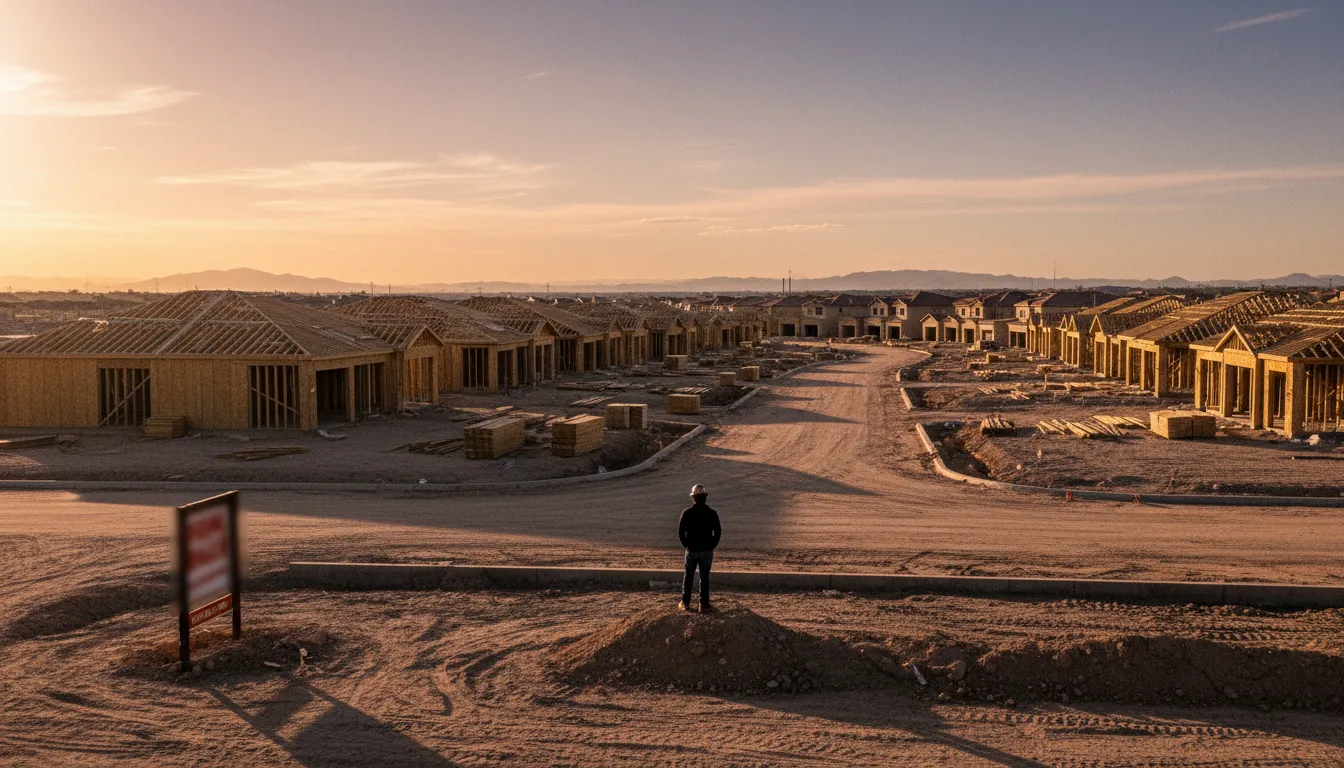
According to OECD estimates, Slovakia would need 540,000 additional housing units to cover current demand. Instead, however, the construction sector recorded a year-on-year decrease of 14.5 percent in the number of construction starts in the first half of 2025, and the number of building permits issued also decreased — by 13.7 percent.
New Construction Act: A Reform After Fifty Years
Slovakia adopted a new Construction Act on April 1, 2025, replacing the legal standard from 1976. The reform aims to simplify and digitize the permitting processes, merge the existing two-stage procedure into one, and introduce stricter deadlines for authorities. According to legal analysts, the changes could speed up the issuance of permits, but their real impact on the volume of construction will only be seen after several years. Short-term statistics so far reflect more uncertainty and adaptation to the new rules.
European Commission Launches Affordable Housing Plan
The problem is not exclusively Slovak or Central European. The European Commission published the European Affordable Housing Plan in December 2024, which identifies regulatory barriers, rising construction costs, a shortage of labor in the construction industry, and the pressure from institutional investors as the main causes of the crisis. The plan envisages increasing supply, mobilizing investments, and targeted support for vulnerable population groups.
Neighboring countries are responding with concrete steps. In April 2025, the Czech Republic approved a law on housing support and is launching an investment fund of 76 million euros for affordable rental housing. Poland has launched the Key to Housing program with the aim of building 15,000 social apartments in the first year and 40,000 annually by 2030.
Political Agenda for the Upcoming Elections
Housing affordability is increasingly emerging as a topic in election campaigns across Central Europe. Research published in the journal Buildings (MDPI) confirms that in the Czech Republic, Slovakia, Poland, and Austria, the growth of real estate prices is faster than the growth of disposable household income — and that without systemic changes in the supply of apartments, this trend will not stop.
For Slovakia, this means pressure to accelerate construction, use European funds more effectively in the area of housing, and develop the rental sector, which still lags behind Western Europe. Without a combination of these measures, there is a risk that homeownership will become an unattainable luxury for young Slovak households.